




Choosing the Right Home
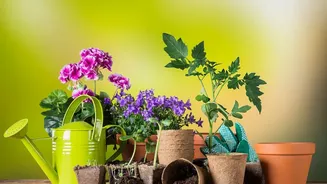
The foundation for a healthy Thai chilli plant begins with its pot. While these plants are relatively compact, they develop an extensive root system that needs room to grow. Opt for a container that is at least 12 inches deep and 12 inches wide, which
is roughly equivalent to a 5-gallon pot. This size prevents the roots from becoming cramped, which can stunt growth and reduce your harvest. Ensure the pot has ample drainage holes at the bottom to prevent waterlogging, a common issue that leads to root rot. As for soil, Thai chillies thrive in a well-draining, slightly acidic mix. A high-quality potting mix amended with about 20% perlite or sand will provide the ideal environment for healthy roots and a productive plant.
Sunlight and Placement
Thai chillies are sun-loving plants that originate from a warm climate. To produce a bountiful harvest, your potted plant needs at least 6 to 8 hours of direct sunlight every day. An east-facing balcony that gets morning sun is ideal, as it provides plenty of light without the scorching intensity of the late afternoon sun, which can be harsh in hotter climates. While they love heat, container plants are also more vulnerable to strong winds, which can damage the brittle stems. Try to place your pot in a spot that offers some protection, such as against a wall or a fence, to create a stable and warm micro-environment for your plant to flourish.
Why Support is Essential
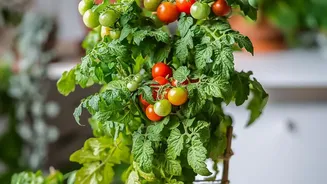
Though Thai chilli plants have a naturally bushy and compact structure, providing support is a non-negotiable step for container gardening. As the plant matures, it becomes top-heavy, especially when laden with dozens of ripening chillies. The weight of the fruit can easily cause the branches to bend, droop, or even snap, jeopardising your harvest. Furthermore, plants in containers are more susceptible to being knocked over by wind or accidental bumps. Staking provides the necessary stability, keeps the plant upright, promotes better air circulation around the leaves to prevent fungal diseases, and makes harvesting easier.
Methods for Support
You have several effective options for supporting your potted chilli plant. The simplest method is a single stake, such as a bamboo cane or a plastic-coated metal rod. For most Thai chilli varieties, a stake that is 3 to 4 feet tall is sufficient. Another excellent option, especially for bushier plants, is a small tomato cage. These circular cages provide support on all sides, propping up branches as they grow heavy with fruit. It is best to insert the support system early, ideally when you first transplant your seedling into its final pot. This avoids the risk of damaging the delicate root system later on.
How to Secure Your Plant
Once your stake or cage is in place, you need to gently attach the plant to it. Push the stake into the soil about 2-3 inches away from the plant's main stem, driving it down to the bottom of the pot for maximum stability. Use soft materials like garden velcro, strips of fabric from an old t-shirt, or jute twine to loosely tie the main stem to the stake. Avoid using thin wire or tight plastic ties that can cut into the brittle stem as the plant grows. The tie should be firm enough to offer support but loose enough to allow for movement and future growth. As the plant gets taller and develops more branches, you may need to add more ties higher up the stake.
Watering, Feeding, and Harvesting
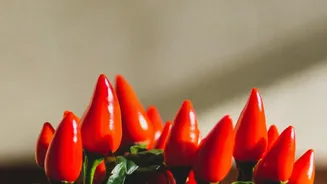
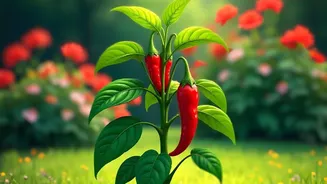
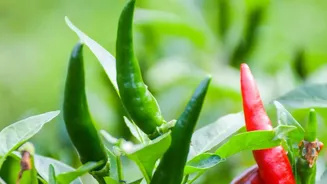
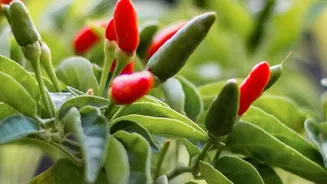
Container plants dry out faster than those in the ground, so consistent watering is key. Water your Thai chilli plant deeply whenever the top inch of soil feels dry to the touch, which might be daily during hot weather. Feed your plant with a balanced fertilizer every 2-3 weeks once it starts to set fruit. A formula lower in nitrogen and higher in phosphorus and potassium will encourage more flowers and chillies rather than just leafy growth. Soon enough, you'll see your plant covered in small, fiery peppers, ready to be picked and enjoyed. Simply snip them off as they ripen to encourage the plant to produce even more.