








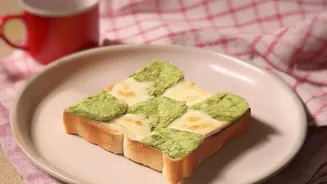
Forget the toaster. The secret to a truly transcendent breakfast sandwich lies in a hot pan. This method guarantees perfectly golden, crisp bread that gives way to a core of gooey, melted mozzarella and bright, herbaceous pesto. Here's how.
Why Pan-Toasting Is Superior
While a toaster
oven can make a decent sandwich, pan-toasting offers an entirely different level of texture and flavour. The direct contact with the hot surface creates a beautifully even, golden-brown crust that is impossible to replicate with ambient heat. This Maillard reaction—the browning process that creates deep, savoury flavour—is what makes a pan-toasted sandwich so satisfying. As the bread crisps on the outside, the gentle, radiant heat melts the cheese slowly and evenly, resulting in that coveted 'cheese pull'. Cooking in a skillet with a bit of butter or oil infuses the bread with richness, creating a final product that is crunchy, flavourful, and perfectly melted all at once.
Choose Your Ingredients Wisely
The beauty of this sandwich is its simplicity, which means the quality of each component matters. For the bread, choose thick, sturdy slices like sourdough, ciabatta, or a rustic Italian loaf that can stand up to the fillings without becoming soggy. When it comes to mozzarella, low-moisture shredded mozzarella is often recommended for its superior melting qualities and less watery finish. However, fresh mozzarella offers a creamier, milkier flavour; if you use it, be sure to pat the slices dry to remove excess moisture. For the pesto, a quality store-bought version works well, but homemade pesto will always provide the freshest, most vibrant basil flavour. Finally, a good salted butter or a drizzle of olive oil is essential for achieving that perfect golden crust.
The Art of Assembly
Proper layering is key to a great sandwich, especially one with a wet component like pesto. To prevent the bread from getting soggy, some chefs recommend creating a barrier. One effective technique is to spread butter on the outside of each bread slice and pesto on the inside. Then, layer your cheese on the bread first, and spoon the pesto in between layers of cheese. This keeps the pesto from making direct contact with the bread. If you're adding other ingredients like fresh tomato slices or cooked bacon, place them in the middle of the cheese. Pat any wet ingredients, like tomatoes, dry with a paper towel before adding them.
Step-by-Step to a Perfect Toast
Once assembled, the cooking process is straightforward. Heat a large skillet, preferably cast iron, over medium heat. Cooking over medium heat is crucial; if the pan is too hot, the bread will burn before the cheese has a chance to fully melt. Place a pat of butter or a swirl of oil in the hot pan. Carefully place your sandwich in the skillet and cook for 3–4 minutes on the first side, until the bread is golden brown and crisp. You can press down gently with a spatula to help the sandwich meld together. Carefully flip the sandwich and cook for another 3–4 minutes on the second side, until it's equally golden and the mozzarella is completely melted and gooey. Slice in half immediately and serve hot.
Variations and Additions
While the classic combination of mozzarella and pesto is a winner, this sandwich is a fantastic base for customisation. For a more traditional breakfast feel, add a fried or scrambled egg and a few slices of cooked bacon. Sliced fresh tomatoes are a popular addition, adding a juicy, acidic counterpoint to the rich cheese and pesto. Just be sure to salt them lightly to draw out some moisture. Other delicious options include sun-'dried tomatoes', prosciutto', or a handful of fresh arugula added after grilling for a peppery bite. You can also experiment with different cheeses, blending mozzarella with provolone or a sharp white cheddar for more complex flavour.