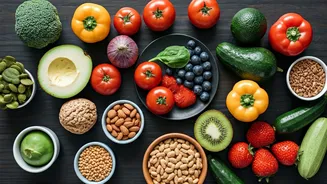









Why Your Body Needs a Monsoon Menu
The shift in weather doesn't just affect the world outside; it changes our internal environment, too. According to both traditional wisdom like Ayurveda and modern nutrition, the monsoon season can be tough on our digestive system. The increased humidity
tends to slow down our 'digestive fire' or metabolism, making it harder to break down heavy, oily, or even raw foods. This is also a time when the risk of water-borne and air-borne infections is at its peak. Your immune system is working overtime to keep you healthy. Therefore, what you put in your bowl matters more than ever. The goal is to eat foods that are light, easy to digest, and packed with immunity-boosting properties to help your body navigate the season with strength.
The Twist: Embrace Seasonal Gourds
So, what is this simple twist? It's about shifting your focus from raw salads to cooked vegetables, specifically the incredible variety of gourds that thrive during this season. Think bottle gourd (lauki), ridge gourd (tori), snake gourd (chichinda), pointed gourd (parwal), and even bitter gourd (karela). These humble vegetables are monsoon superstars. While a crisp, raw salad bowl is fantastic for summer, it can be hard on a sluggish monsoon digestive system. Cooked gourds, on the other hand, are the perfect replacement. They are nature’s answer to the season's specific dietary needs: gentle, nourishing, and incredibly versatile.
Light, Hydrating, and Easy to Digest
The benefits of incorporating gourds into your monsoon diet are manifold. Firstly, they have a high water content, which helps you stay hydrated even when you may not feel as thirsty. Secondly, they are extremely light on the stomach and easy to digest, which gives your gut a much-needed break. They are packed with dietary fibre, which aids bowel regulation—a common concern during this season. Furthermore, these vegetables are low in calories but rich in essential nutrients like Vitamin C, iron, and magnesium, which contribute to overall health and immunity. For example, the often-underestimated lauki is cooling for the body and aids in treating digestive disturbances, while karela, despite its bitter taste, is a powerhouse for managing blood sugar and fighting infections.
Building Your Perfect Monsoon Bowl
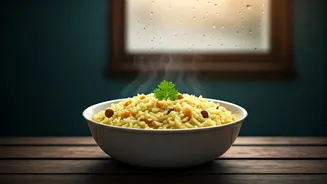
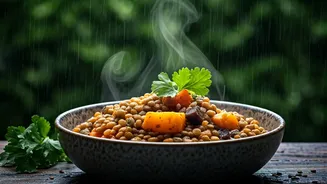
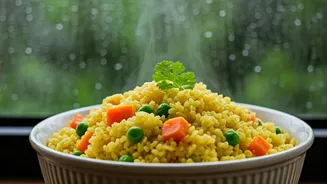
Integrating this twist is easy. Start with a base of warm, cooked grains like brown rice, quinoa, or millets. Instead of raw toppings, add a generous portion of simply prepared gourd sabzi. You can steam chunks of lauki or tori and toss them with a pinch of salt and pepper. A light stir-fry with minimal oil works wonders. You can also make a soupy dal and add diced gourds to it, letting them cook until tender. This creates a wholesome, warm, and deeply satisfying meal in a bowl. For a complete protein, add a portion of lentils, chickpeas, or paneer. The idea is to keep the bowl warm, cooked, and comforting, a direct contrast to the cold, raw bowls of summer.
Bonus Twist: The Power of Spices
To elevate your monsoon bowl further, turn to your spice box. Spices are not just for flavour; they are potent medicinal agents. Add a pinch of turmeric (haldi) to your cooking for its powerful anti-inflammatory and antiseptic properties. A bit of freshly grated ginger (adrak) can significantly aid digestion and soothe a sore throat. Black pepper (kali mirch) not only enhances flavour but also helps the body absorb the nutrients from other foods more effectively. A dash of asafoetida (hing) in your dal or sabzi can help prevent gas and bloating. These spices work in synergy with the gourds to create a meal that is not just healthy but also healing.