



More Than a Bargain, It's a Statement
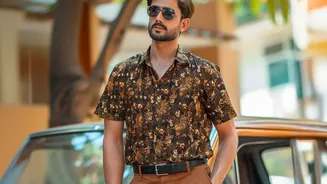
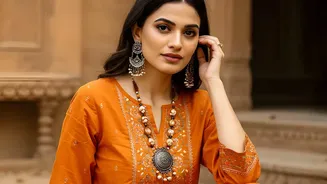
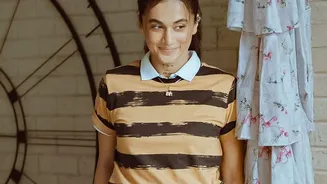
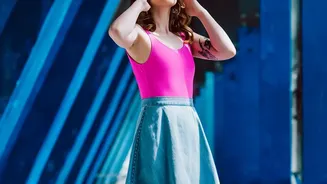
For many young Indians, the turn to thrifted clothing is not just about saving money; it’s a deliberate rejection of the fast-fashion model. In a world where global brands offer the same styles to millions, pre-loved garments provide a coveted sense of uniqueness.
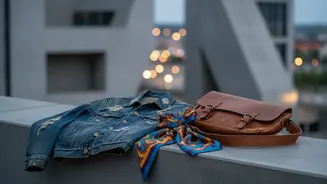
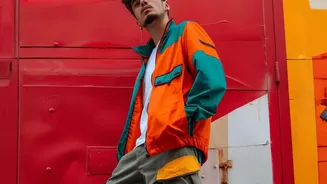
The appeal lies in the “treasure hunt” — the thrill of discovering a one-of-a-kind vintage jacket, a retro graphic tee, or a rare piece of denim that no one else will have. This search for authenticity is a way for Gen Z to curate a personal style that tells a story, moving beyond fleeting trends to build a wardrobe with character and individuality. It's a shift from mindless consumption to conscious curation.
The Instagram Thrift Store Boom
The thrifting movement in India is inextricably linked to social media, with Instagram at its epicenter. Thousands of digital storefronts, often run by young entrepreneurs, have sprung up, offering carefully curated collections. These online stores create a boutique-like experience, meticulously styling and photographing items to build a brand and a community. They use features like timed “drops” to release new collections, creating a sense of excitement and urgency that has shoppers setting alarms and furiously commenting to snag a coveted piece within seconds. This digital marketplace has not only made thrifting accessible across the country but has also helped dismantle the old stigma attached to second-hand clothing.
A Conscious Choice for a Greener Wardrobe
Beneath the stylish exterior of the thrifting trend is a powerful current of environmental consciousness. The fashion industry is one of the world's largest polluters, responsible for immense textile waste, water pollution, and carbon emissions. Young consumers are increasingly aware of this impact and are choosing thrift as a small act of rebellion against the “wear once and throw away” culture. Buying second-hand extends the lifecycle of a garment, keeping it out of a landfill and reducing the demand for new production. For many, this makes thrifting more than just a fashion choice; it's a meaningful lifestyle statement aligned with sustainable values.
From Hand-Me-Downs to High Fashion
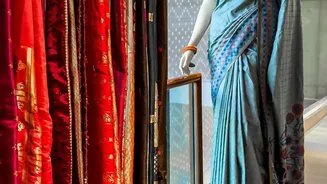
While reusing clothes has long been a part of Indian culture through hand-me-downs and upcycling old sarees, the modern thrift movement has reframed it as aspirational. What was once a practice born of necessity is now a celebrated choice driven by style and ethics. Influencers and celebrities openly embracing pre-loved fashion have helped glamorize it, showing that style and sustainability can go hand-in-hand. Many online thrift stores also focus on quality control and hygiene, carefully cleaning and inspecting items to build trust with a new generation of consumers who see value beyond a price tag. This cultural shift is allowing young Indians to experiment with different eras, from Y2K aesthetics to 90s retro styles, at affordable prices, making fashion a playground for self-expression.