


A Return to Earthen Roots
Look inside a modern apartment in Mumbai or Bengaluru, and you might be surprised to find a clay pot simmering gently next to a state-of-the-art coffee machine. This isn't just about nostalgia; it's a conscious choice. Urban dwellers are increasingly
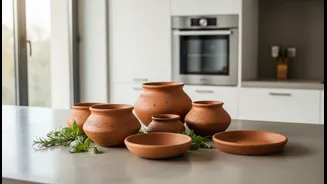
swapping out modern non-stick pans for traditional terracotta, or 'mitti ke bartan'. The trend is driven by a desire for a healthier lifestyle, a connection to heritage, and the unparalleled flavour that earthen pots impart to food. As people become more aware of the potential downsides of synthetic coatings on cookware, they are turning back to materials that are natural, sustainable, and time-tested.
The Science of 'Cooling' Clay
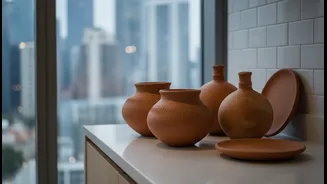
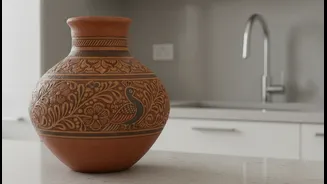
The term 'cooling cookware' isn't just a marketing gimmick. Terracotta's magic lies in its porous nature. Clay pots are essentially made of 'baked earth', and these microscopic pores allow for the slow evaporation of water, a process that naturally cools the contents within. This is why water stored in a mitti ka matka stays refreshingly cool without refrigeration. When used for cooking, this same porosity allows heat and moisture to circulate evenly, which prevents food from burning and locks in nutrients. The slow, gentle cooking process allows flavours to develop more deeply, resulting in dishes that are richer and more aromatic. Clay is also alkaline, which helps neutralize the acidity in food, making it easier to digest.
From Village Kilns to City Kitchens
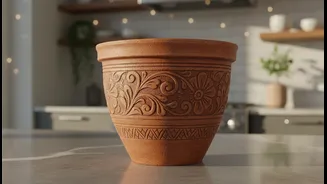
This revival is breathing new life into artisan communities in Rajasthan, particularly in villages like Molela in the Rajsamand district, which has a centuries-old history of terracotta craft. For generations, the Kumhar potters of Molela have been creating everything from devotional plaques to household vessels using clay from the local Banas River. This resurgence in demand, often facilitated by online platforms and a renewed interest in sustainable handicrafts, provides a vital economic lifeline. It ensures that the intricate skills passed down through generations are not only preserved but also valued in the contemporary market, connecting rural artisans directly with urban consumers.
More Than Just Pots and Pans
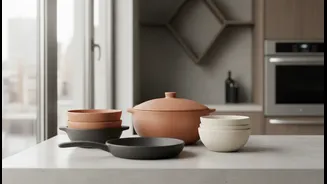
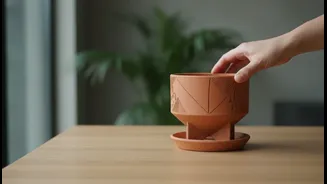
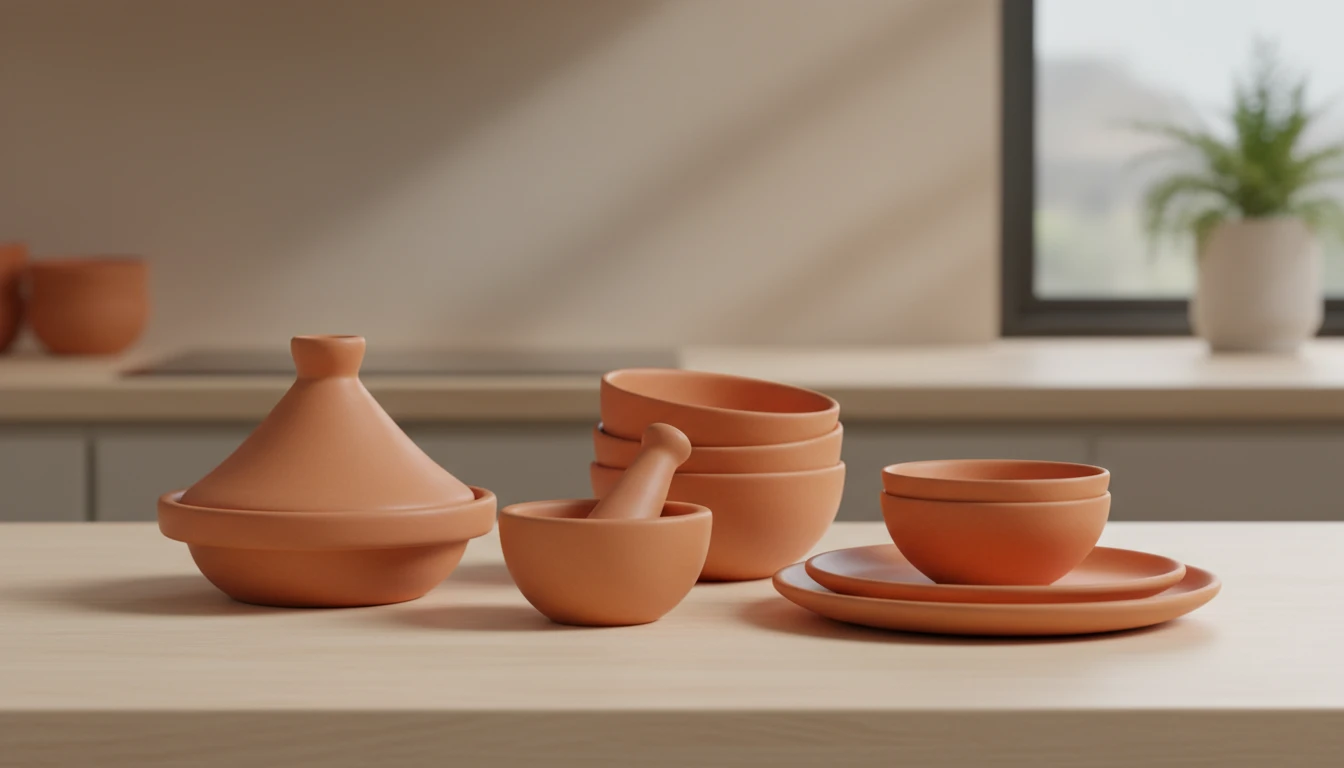
The new wave of terracotta isn't limited to the traditional handi or matka. Artisans and designers are innovating to create a range of products that fit seamlessly into a modern, compact home. You can now find terracotta pressure cookers, baking dishes, non-stick 'tawas', and even serving ware that blends rustic charm with contemporary design. These modern adaptations are designed to be used on gas stoves and are often created in sizes suitable for smaller families, making the transition from conventional cookware much easier for the urban user. This evolution proves that traditional wisdom can be adapted for modern convenience without losing its essential benefits.
Tips for Your Terracotta Journey
Adopting terracotta cookware does require a slight shift in habits. Before the first use, most clay pots need to be 'seasoned'—typically by soaking them in water overnight and then slowly heating them. This process strengthens the pot and reduces the risk of cracking. Cleaning should be done gently, with water and a soft brush, avoiding harsh soaps that can get absorbed into the porous clay. It's also crucial to avoid sudden temperature changes, like pouring cold water into a hot pot, as this can cause it to break. While they require a bit more care than their metal counterparts, the payoff in flavour and health benefits is well worth the effort for a growing number of home cooks.