







The New Monsoon Rush
What was once a quiet quarter for tourism is now a bustling mini-season. Data from mid-2026 shows a significant spike in travel demand from June to September, with some hotel chains reporting that July bookings are pacing nearly 10% ahead of last year.
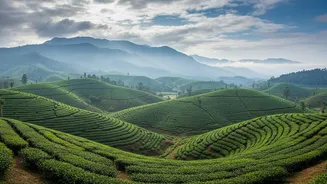
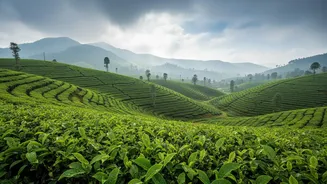
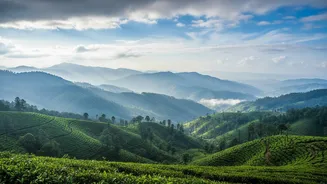
Travellers are no longer deterred by the rain; they're actively seeking the unique experiences it offers. Destinations are seeing a shift in preference, with dramatic growth in searches for places like Rishikesh and Mussoorie, alongside perennial monsoon favourites like Goa, Coorg, and Munnar. This trend is fuelled by a desire for wellness retreats, spiritual journeys, and the simple magic of seeing India's landscapes turn a vibrant, photographic green. This new wave of tourism means that the old days of deep off-season discounts are fading, making smart planning more important than ever.
The Unpredictable Side of the Rains
While the allure of misty hills and roaring waterfalls is strong, monsoon travel comes with a significant caveat: unpredictability. The same rains that create breathtaking scenery can also cause very real disruptions. Hill stations in regions like Himachal Pradesh and Uttarakhand, while beautiful, are prone to landslides and road closures, which can turn a planned getaway into a logistical challenge. Coastal areas and major cities are not immune either, with risks of waterlogging, which can lead to severe traffic delays and flight cancellations. A clear road in the morning can be blocked by the afternoon. This inherent uncertainty is precisely why experienced travellers are shifting their focus from just booking a destination to booking a flexible exit strategy if plans go awry.
Decoding 'Fully Refundable'
In the face of this uncertainty, 'refundable' has become the most sought-after word in travel planning. But what does it actually guarantee? The term is not a monolith. For flights, a 'refundable' ticket's rules are determined by the fare class you purchase. Cheaper, promotional fares are often non-refundable or only offer a credit shell for future travel after deducting a steep cancellation fee. More expensive 'flexi' fares provide greater freedom, sometimes allowing for a full cash refund. It's crucial to distinguish this from airline-initiated cancellations; if the airline grounds a flight, DGCA regulations mandate a refund. For hotels, many booking platforms offer 'free cancellation' filters. However, the fine print is key. This 'free' window might close weeks before your check-in date, after which you could be liable for the full amount. Always check the specific date and time your free cancellation period expires.
Booking Smarter, Not Harder
Navigating the new monsoon rush requires a proactive approach. The first step is to use the booking tools at your disposal. When searching for accommodation, actively use filters for 'Free Cancellation' or 'Pay at Property'. Before confirming, read the cancellation policy in full. Is the refund in cash or credit? Is there a non-refundable deposit? For air travel, it's often worth comparing the cost of a standard fare against a flexible one. The extra few hundred rupees for a flexi-fare can feel like a bargain if your plans change. A growing number of travellers, especially younger ones, are booking spontaneous trips within 72 hours of departure, a trend that makes refundable options a near necessity rather than a luxury.
The Travel Insurance Safety Net
While refundable bookings offer a great deal of protection, they primarily cover your choice to cancel. What about events outside your control? This is where domestic travel insurance provides a wider safety net. While not mandatory for travel within India, a good policy often covers trip cancellations or curtailments due to unforeseen circumstances, including severe weather events. Furthermore, it extends protection to other travel risks like medical emergencies, lost or delayed baggage, and missed flight connections — things a simple refundable fare won't cover. For a comprehensive sense of security, especially when travelling to a region known for challenging monsoon weather, pairing a flexible booking with a domestic travel insurance policy is the smartest strategy.