






Why Noise Is the Real Sleep Thief
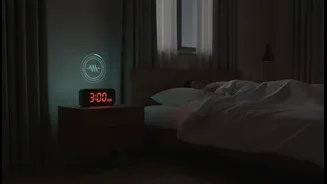
Even when you don't fully wake up, your brain is still processing sounds while you sleep. Environmental noise from traffic, neighbours, or even household appliances can disrupt your natural sleep cycles. Research shows that nocturnal noise can prevent
you from reaching the deeper, more restorative stages of sleep, like slow-wave and REM sleep. This disruption can trigger a subtle stress response, leading to an increase in heart rate, blood pressure, and the production of hormones like cortisol and adrenaline. The result is that you can wake up feeling groggy, irritable, and unrested, even after a full eight hours in bed. The long-term effects of poor quality sleep are linked to a range of health issues, including high blood pressure, weight gain, and heart disease.
The Myth of 'Getting Used to It'
Many people who live in noisy areas believe they have adapted to the constant background hum. However, science tells a different story. While you might consciously tune out familiar sounds, your auditory system remains active throughout the night, constantly monitoring your environment. Studies show that even low-level noises you are not aware of can cause micro-arousals, pulling you out of deep sleep and fragmenting your rest. This means that while you may fall asleep, the quality of that sleep is compromised. Rather than adapting, your body continues to react to the acoustic interruptions, making it difficult to achieve the deep, uninterrupted rest necessary for physical and mental recovery.
Easy Ways to Create a Quieter Space
You don't need a major renovation to reduce bedroom noise. Soft furnishings are your first line of defence because they absorb sound waves instead of letting them bounce around. Adding a thick rug or carpet can significantly dampen noise, especially on hard floors. Heavy, dense curtains not only block light but also absorb sound coming through windows. Even an upholstered headboard can help reduce sound reflection. Another simple but effective trick is to seal air gaps where sound enters. Use weatherstripping around windows and place a draft stopper at the bottom of your bedroom door to block noise from outside and other parts of the house.
Fighting Sound with Sound
When you can't eliminate disruptive noises, you can mask them. This is where tools like white noise machines or apps come in. Sound masking works by creating a constant, soothing layer of ambient sound. This raises the baseline noise level, making sudden, jarring sounds like a car horn or a dog bark less noticeable to your brain. While studies on the effectiveness of white noise have produced mixed results, many people find it helpful for masking outside noises and quieting racing thoughts. Other 'colours' of noise, like pink or brown noise, are also popular. Pink noise, which sounds deeper than white noise, has been compared to the sound of gentle rain, while brown noise is even deeper, like crashing ocean waves. Experimenting with a fan, an air conditioner, or a dedicated app can help you find a consistent sound that drowns out disturbances without becoming a distraction itself.
When to Consider Bigger Steps
For those in extremely noisy environments, more significant investments may be worthwhile. Soundproof or double-paned windows can make a dramatic difference in reducing traffic and street noise. Strategically placing furniture, like a large, full bookshelf against a shared wall, can also help block sound from a noisy neighbour. In some cases, acoustic panels can be an effective solution. Modern decorative panels are designed to absorb sound waves, reducing echo and making a room feel noticeably quieter without looking like a recording studio. These are bigger commitments, but for those with chronic sleep disruption due to noise, they can be a game-changer.