

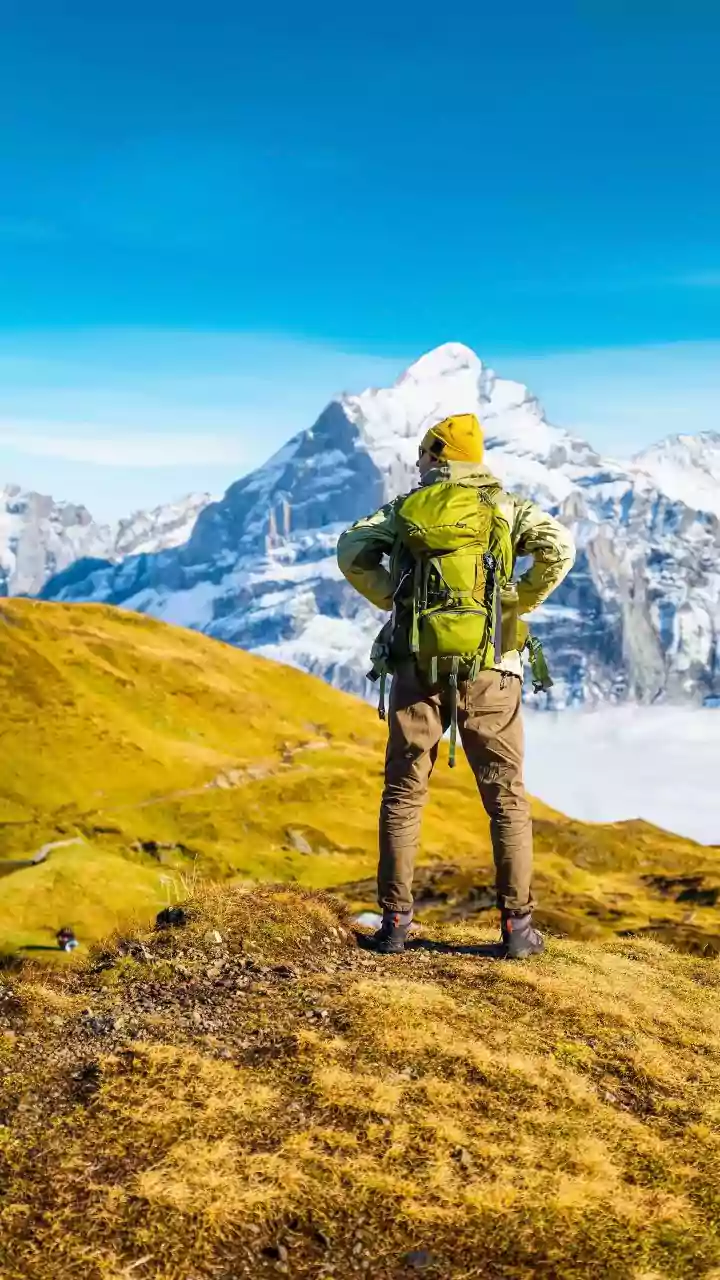



The High-Altitude Challenge
Acute Mountain Sickness (AMS) is a condition the body experiences when it can't get enough oxygen from the air at high altitudes. It’s not a sign of poor fitness; it’s a reaction to ascending too quickly. Symptoms typically appear within 6 to 24 hours
of arrival and include headache, nausea, dizziness, fatigue, and difficulty sleeping. Spiti Valley, with its main town Kaza sitting at around 12,500 feet and popular stargazing spots like Langza and Komic even higher at over 14,000 feet, is a prime location for AMS. For travellers coming from sea-level cities, this sudden leap in elevation puts the body under significant stress.
Why Nighttime Astronomy Adds Risk
Stargazing in Spiti means being outdoors late at night when temperatures plummet. Cold, dry air can make breathing more difficult and irritate airways. While the direct link between cold and AMS is complex, the cold certainly adds another layer of physical stress. Dehydration, a known contributor to AMS, also becomes a greater risk as the body loses more moisture through respiration in the dry, cold air. Furthermore, the very act of being still for long periods to observe the sky can make you feel the cold more acutely, and the reduced oxygen at night can disturb sleep patterns, which is both a symptom of and a contributor to AMS.
Your Body's Defence: Acclimatization
The good news is that the human body is remarkable at adapting. This process is called acclimatization. When you arrive at a high altitude, your body immediately senses the lower oxygen levels. The first response is to breathe faster and deeper to take in more air. Your heart rate may also increase to pump oxygenated blood more quickly. Over the next few days, more sophisticated changes occur. Your kidneys adjust your body's pH balance to sustain the faster breathing, and your body begins producing more red blood cells to improve oxygen-carrying capacity. This entire process takes time, typically one to three days at a given altitude.
A Practical Plan for Safe Stargazing
Preventing AMS is all about giving your body the time it needs to acclimatize. The golden rule is to ascend gradually. The safest route to Spiti is via Shimla, which allows for a slower, stepped increase in altitude over several days, with overnight stops at lower elevations like Kalpa or Tabo. The Manali-Kaza route involves a dangerously rapid ascent and is not recommended for beginners. Once in Spiti, 'climb high, sleep low' is a wise mantra. You can take day trips to higher villages like Komic but should return to sleep at a lower altitude like Kaza. Staying well-hydrated by drinking 3-4 litres of water daily, eating a carbohydrate-rich diet, and avoiding alcohol for the first few days are crucial steps to support your body's adaptation.
Listening to Your Body
The most important part of high-altitude travel is being aware of your body. If you develop a mild headache or feel unusually tired, it's a sign to stop ascending. Rest at your current altitude, hydrate, and don't go any higher until the symptoms have completely disappeared. Pushing onward with symptoms can lead to severe and life-threatening conditions like High-Altitude Cerebral Edema (HACE) or High-Altitude Pulmonary Edema (HAPE). Some travellers consider medication like Acetazolamide (Diamox) to help prevent AMS, but this should only be taken after consulting a doctor, as it’s not suitable for everyone.