

A Symphony on a Plate
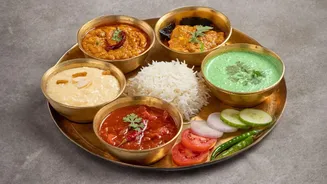
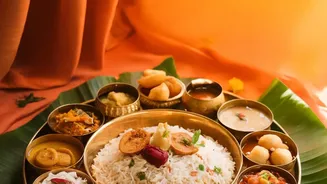
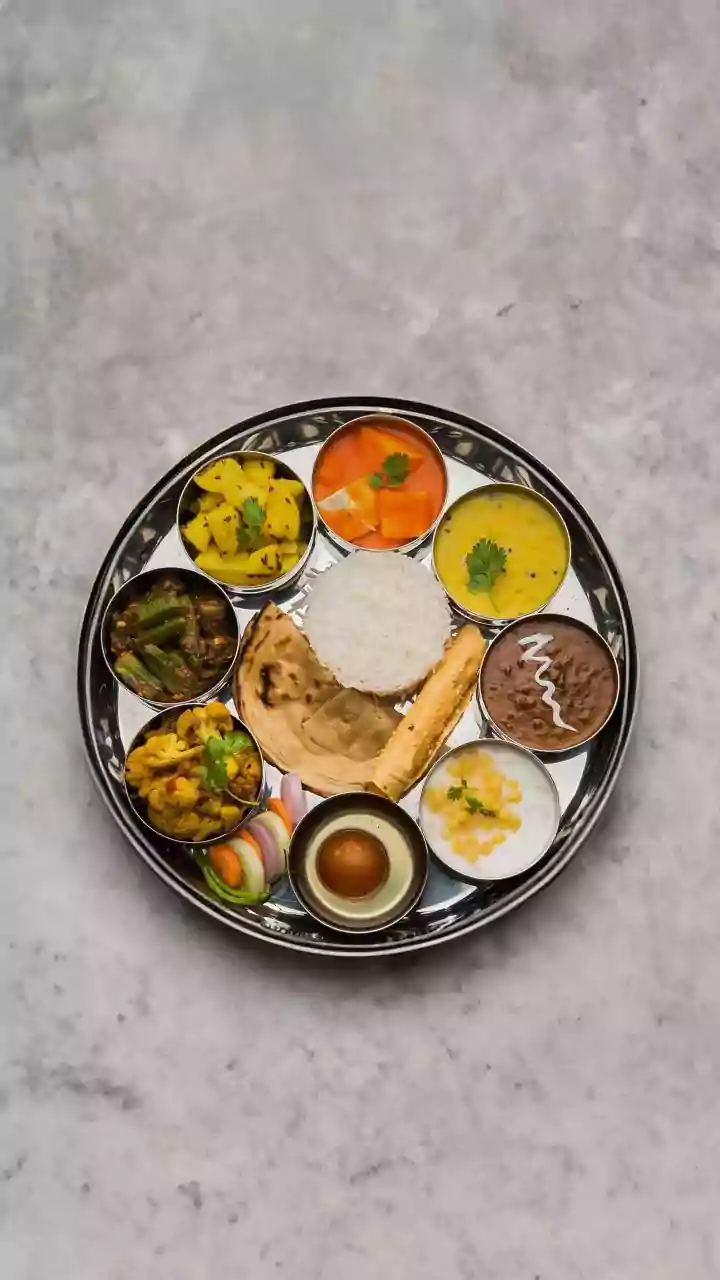
A Rajasthani thali is far more than a simple meal; it is a holistic culinary philosophy served on a platter. The concept, rooted in ancient Ayurvedic principles, brings together the six essential tastes—sweet, sour, salty, bitter, pungent, and astringent—to
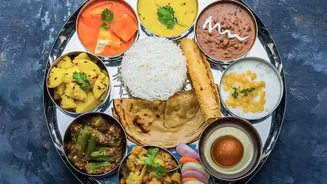
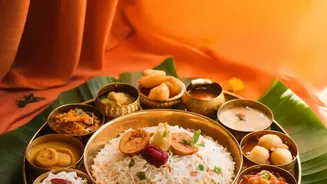
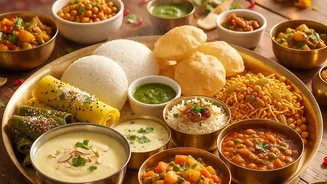
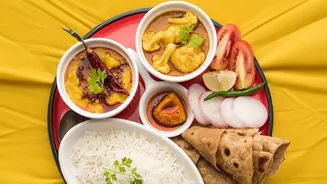
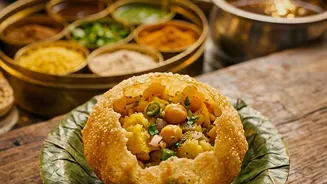
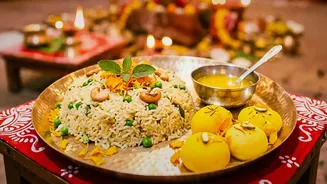
create a balanced and satisfying experience. Unlike an a la carte order, the thali is a complete, curated event. Small bowls, or 'katoris', are arranged in a specific order, each containing a dish that complements the others in flavour, texture, and even temperature. This includes everything from staples like rice and bread to various vegetable preparations (sabzi), lentil curries (dal), cooling yogurt (raita), tangy pickles, and a sweet finish. It’s a deliberate composition designed to nourish the body and soul, reflecting a tradition of hospitality where a guest is offered a complete, generous feast.
Dishes Forged by the Desert
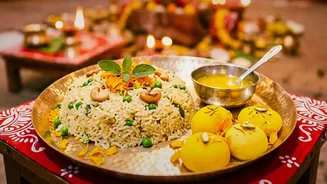
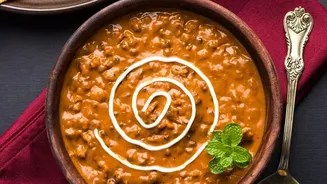
The magic of a Rajasthani thali lies in its ingredients, born from the harsh, arid landscape. The cuisine is a masterclass in resourcefulness, shaped by a scarcity of fresh water and green vegetables. Cooks historically relied on long-lasting ingredients like lentils, beans, gram flour (besan), and dairy products like ghee and buttermilk. This ingenuity created iconic vegetarian dishes. Dal Baati Churma, the state's most famous culinary trio, has its origins in wartime practicality; soldiers would bake hard wheat rolls (baati) in the hot sand. Gatte ki Sabzi, a curry of steamed gram flour dumplings in a tangy yogurt gravy, and Ker Sangri, a piquant dish made from native desert beans and berries, are other prime examples of creating spectacular flavour from humble, durable ingredients. These aren't just recipes; they are chronicles of survival and creativity.
The A La Carte Disconnect
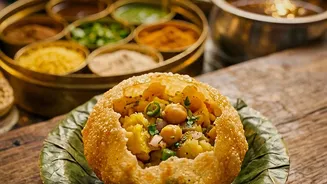
Modern menus, with their focus on individual, often deconstructed, star dishes, can miss the point entirely. While they offer choice, they sever the vital connections that make a thali so meaningful. Ordering Gatte ki Sabzi alone is like hearing a single instrument from a symphony orchestra; you appreciate the note, but you miss the music. The interplay of flavours is lost—the way the spicy garlic chutney cuts through the richness of a ghee-laden baati, or how a cooling buttermilk drink (chaas) soothes the palate after a fiery curry. Many contemporary restaurants also adapt recipes for a broader, sometimes international, palate, toning down spices or presenting dishes in a stylised, 'Instagrammable' format that prioritises appearance over the authentic, rustic character of the food. This translation often loses the very soul of the cuisine.
A Story in Every Bite
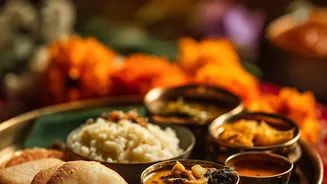
The traditional thali serves a narrative that a modern menu cannot replicate. Each component tells a story of seasonality, community, and heritage. The combination of dishes reflects generations of culinary wisdom, ensuring a meal is not only delicious but nutritionally complete. The vegetarian thali, in particular, showcases the inventive genius of the Marwari community, whose traders helped establish vegetarian bhojnalayas (food halls) across India. Their commitment to vegetarianism drove the development of a complex and satisfying cuisine based entirely on pulses, dairy, and grains. By contrast, an a la carte menu presents food as a series of isolated choices, stripping away the context and the communal spirit inherent in sharing a thali meal. It becomes a transaction, whereas the thali remains an experience.