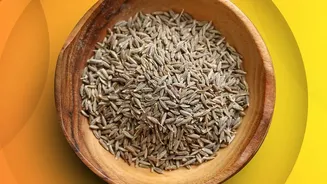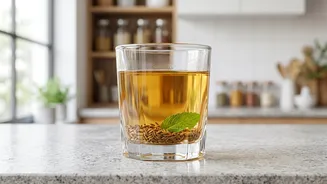






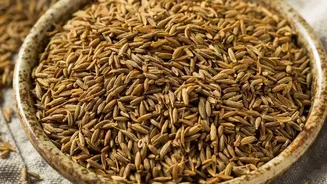
Cumin, or jeera, is a staple in every Indian kitchen, but what about the recent trend of drinking its infused water? This humble home remedy is praised for everything from weight loss to detoxification, but what does science actually say?
The Tradition of Jeera Water
For generations,
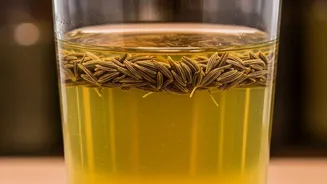
jeera water has been a go-to home remedy in India. Prepared by either soaking cumin seeds overnight or boiling them in water, this simple concoction is deeply rooted in traditional wellness practices like Ayurveda. It's often consumed first thing in the morning on an empty stomach, believed to kick-start metabolism and cleanse the body. The logic is straightforward: if cumin seeds are good for you, then water infused with their essence must be beneficial too. This belief has propelled jeera water from a traditional remedy into a modern wellness trend, but the line between tradition and scientifically proven benefits can often be blurry.
The Claim: A Potent Digestive Aid
One of the most widespread claims is that jeera water is a miracle worker for digestion. Proponents say it alleviates bloating, gas, and indigestion by stimulating the secretion of digestive enzymes. The active compounds in cumin, like thymol, are said to fire up the glands that produce acids, bile, and enzymes necessary for breaking down food efficiently. Anecdotally, many people report feeling less discomfort and improved gut motility after incorporating it into their routine. Some studies on patients with Irritable Bowel Syndrome (IBS) using cumin extract have even shown a reduction in symptoms like abdominal pain and bloating.
The Reality: A Helper, Not a Cure
While there's truth to cumin's digestive-friendly properties, jeera water is not a magic potion. Modern research confirms that compounds in cumin can indeed increase the activity of digestive enzymes and the release of bile, which helps digest fats. This can contribute to smoother digestion and may explain why people feel better. However, most of the compelling research has been conducted using concentrated cumin extracts or powders, not homemade jeera water, which contains a much lower dose of these active compounds. So, while a warm glass of jeera water can be soothing and may gently support digestion, it's unlikely to cure chronic digestive ailments on its own.
The Claim: A Shortcut to Weight Loss
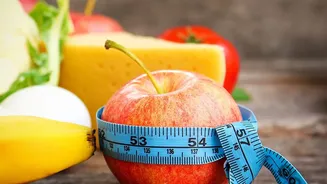
Perhaps the most popular claim is that jeera water melts belly fat and accelerates weight loss. The theory is that it boosts metabolism, helping the body burn calories more efficiently. Some small studies have linked cumin supplementation to modest reductions in weight, BMI, and cholesterol levels, particularly in overweight individuals. One trial involving 88 women found that consuming cumin powder daily for three months led to significant reductions in weight and body fat, fuelling the idea that jeera water could be a powerful weight loss tool.
The Reality: It's About Hydration and Habits
The evidence supporting jeera water for significant weight loss is weak and often misinterpreted. Most studies use concentrated cumin powder or extracts, not the diluted version you make at home. There is no proof that jeera water specifically targets belly fat. The modest weight loss seen in studies is often in combination with a calorie-controlled diet and exercise. The most practical benefit of drinking jeera water for weight management is that this low-calorie, flavourful drink can replace sugary beverages, helping to reduce your overall calorie intake. It also encourages hydration, which is essential for a healthy metabolism. In essence, it supports a healthy routine but doesn't cause weight loss by itself.
The Proven Perks: Antioxidants and More
While it may not be a miracle cure, jeera water is not without its benefits. Cumin itself is a good source of antioxidants like flavonoids, which help protect the body from damage caused by free radicals. It's also remarkably rich in iron, an essential mineral for red blood cell formation and preventing anaemia. Some studies suggest cumin may help regulate blood sugar and improve cholesterol levels by lowering 'bad' LDL and increasing 'good' HDL cholesterol. Drinking jeera water is a valid way to ingest some of these beneficial compounds, even if in small amounts.
Potential Downsides and Who Should Be Cautious
For most people, jeera water is safe in moderation, typically one or two glasses a day. However, excessive consumption can sometimes cause heartburn or acid reflux, especially if you're prone to it. Because cumin can lower blood sugar levels, individuals with diabetes or those on medication should be cautious to avoid a drastic dip in their glucose levels. It may also have mild blood-thinning properties and can lower blood pressure, so anyone on related medications should consult their doctor before making it a daily habit.