





The Festive Season Sales Rush
In India, the festive period, which typically spans from Onam in August to Diwali in late autumn, is more than just a cultural celebration; it’s the most significant sales season for the automobile industry. Many consider it an auspicious time to acquire
new assets, and automakers historically capitalize on this sentiment with attractive discounts, special editions, and new model launches. This period often accounts for a substantial portion of annual sales, making it a critical window for manufacturers to clear inventory and boost revenues. Carmakers ramp up production and build inventory at dealerships in anticipation of this surge. Strong sales in July 2026, with dispatches rising significantly, already indicate that the industry is preparing for high demand.
Why Are Car Prices Climbing?
Several of India’s largest car manufacturers have announced price increases just ahead of this crucial period. Maruti Suzuki, Hyundai, and Tata Motors have all confirmed hikes, citing similar pressures. The primary reason is the sustained increase in input costs. Prices for essential raw materials like steel and aluminium, along with other commodities, have remained high, squeezing manufacturer margins. Additionally, rising costs for components like automotive memory chips, fueled by global demand in sectors like AI, are adding to the financial strain. Other factors include general inflationary pressures, higher operational expenses, and the volatility of global markets and currency exchange rates, which affect the cost of imported parts. As a result, companies that have tried to absorb these extra costs are now passing a portion of the burden to customers.
The Buyer's Dilemma
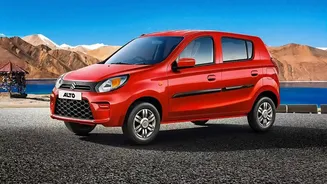
For prospective buyers, this creates a complex situation. The price increases are not insignificant. Maruti Suzuki has raised prices by up to ₹30,000 on certain models like the Baleno. Tata Motors announced hikes of up to ₹25,000 across its portfolio, effective September 1, 2026. Hyundai is implementing a more modest increase of up to 1% across its model range, which could still mean a price bump of ₹10,000 to ₹20,000 on popular models like the Creta or Venue. This is the third price revision from both Hyundai and Tata Motors in 2026, indicating a trend of smaller, more frequent increases rather than a single annual adjustment. This pattern forces buyers to weigh the pros and cons of purchasing now versus waiting. Delaying could mean paying more, but it could also open up possibilities of year-end discounts if sales momentum slows.
How Buyers Might Adapt
Faced with higher price tags, consumer behavior is likely to shift. Some potential buyers, particularly in the price-sensitive entry-level segments, might choose to postpone their purchase altogether, hoping for better deals in the future. Others may reconsider their choice of vehicle, opting for a lower-spec variant or a smaller car to stay within their original budget. The used car market could also see increased interest as a value-for-money alternative. Furthermore, buyers will likely become more discerning, placing a greater emphasis on total cost of ownership, fuel efficiency, and available financing offers. The demand for models with CNG and strong-hybrid options may also see a boost as consumers look for ways to offset the higher initial outlay with lower running costs.
How Carmakers Are Responding
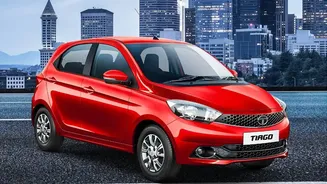
While price hikes are widespread, manufacturers are not oblivious to the risk of dampening festive demand. To counter the impact, many are also rolling out a slate of new models and facelifts. New launches from brands like MG, Audi, and Skoda, along with facelifts for popular cars like the Maruti Baleno and Tata Tigor, are intended to create excitement and attract customers. We may also see strategic brand-level or dealer-level discounts on specific, slower-moving models or variants to maintain sales velocity. Carmakers will also likely emphasize attractive financing schemes, extended warranties, and bundled accessory packs to enhance the value proposition without cutting the sticker price. The competition will be fierce, not just on price, but on offering a compelling overall package to win over the increasingly cautious festive buyer.