



What New Analysis Suggests
A recent wave of reporting, prominently featured by The New York Times, has put a spotlight on the geography of Iran's military infrastructure. Analysts comparing maps of recent US and Israeli airstrikes against suspected missile sites with the locations
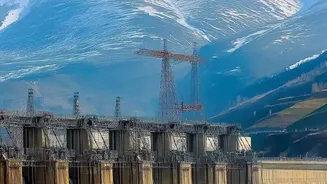
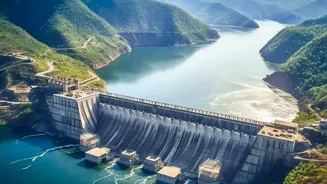
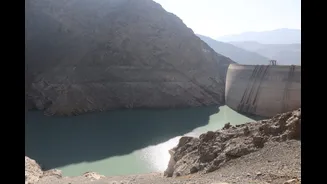
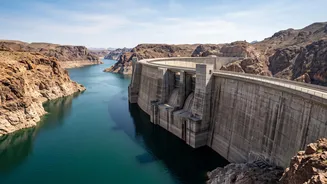
of Iran's dams have noted a significant geographical overlap. Nima Shokri, a water security expert at Germany's Hamburg University of Technology who has tracked at least 533 dams in Iran, noted that the pattern of airstrikes formed a semicircle that closely matched his map of dam locations. This has led to a compelling, though speculative, hypothesis: that some of Iran's numerous and sometimes economically questionable dam projects might have been developed, at least in part, to support its sprawling underground military facilities.
The Strategic Logic
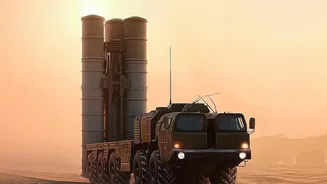
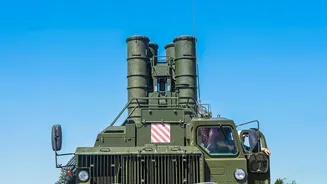
From a military perspective, the logic of co-locating critical assets is multifaceted. Experts suggest that placing sprawling, fortified military complexes near dams could provide them with a steady, independent supply of water and electricity, crucial for 'operational continuity' during a conflict. Iran has an estimated 30 underground 'missile cities' designed to protect its arsenal from aerial attack. These deep, complex facilities require significant resources to maintain. Beyond resources, the rugged, mountainous terrain often ideal for dam construction is also perfect for concealing underground military bases, making them harder to identify and target. This strategy aims to create resilient military capabilities that are not dependent on the national civilian grid, which is more vulnerable to attack.
A High-Stakes Gamble
While the strategic rationale may seem sound from a military planner's perspective, it represents a monumental gamble. The proximity of high-value military targets to critical civilian infrastructure like dams creates a terrifying dilemma. On one hand, Iran might hope that the catastrophic potential of a dam breach would deter its adversaries from striking nearby missile sites, effectively using the dam and the downstream population as a human shield. On the other hand, it places millions of civilians in grave danger. If an attack were to occur, whether intentionally or accidentally damaging the dam, the consequences would be devastating. This dual-use conundrum has sparked fierce debate, with Iranian officials accusing Western media of creating a pretext to justify attacks on civilian infrastructure.
The Civilian Catastrophe Scenario
The risk is not merely theoretical. A successful strike on or near a major dam could lead to a cascading failure, unleashing a wall of water on downstream cities and agricultural lands. The loss of life could be immense, and the destruction of homes, farms, and infrastructure would be catastrophic for a country already facing significant environmental and economic challenges. Critics of the reporting argue that promoting this narrative, even as a hypothesis, irresponsibly endangers civilian lives by blurring the lines between military and civilian facilities under international law. Regardless of intent, the simple fact of this proximity has raised the stakes in any potential conflict, forcing military leaders on all sides to weigh the immense collateral damage of targeting these locations.
Broader Geopolitical Implications
This emerging analysis has added another complex layer to the tense geopolitics of the Middle East. Iranian officials have reacted forcefully, with Parliament Speaker Mohammad-Bagher Ghalibaf warning that if its dams are considered 'dual-use,' then any port or power plant near a US or Israeli base could be viewed in the same light. This escalatory rhetoric highlights how the debate over infrastructure has become a new front in the psychological warfare between Iran and its adversaries. For India and the rest of the world, the increasing complexity and rising stakes of a potential conflict in the region are cause for concern, threatening global energy security and regional stability. The strategy underscores Iran's commitment to protecting its deterrent missile capabilities, even at the risk of creating new, horrifying vulnerabilities for its own people.