


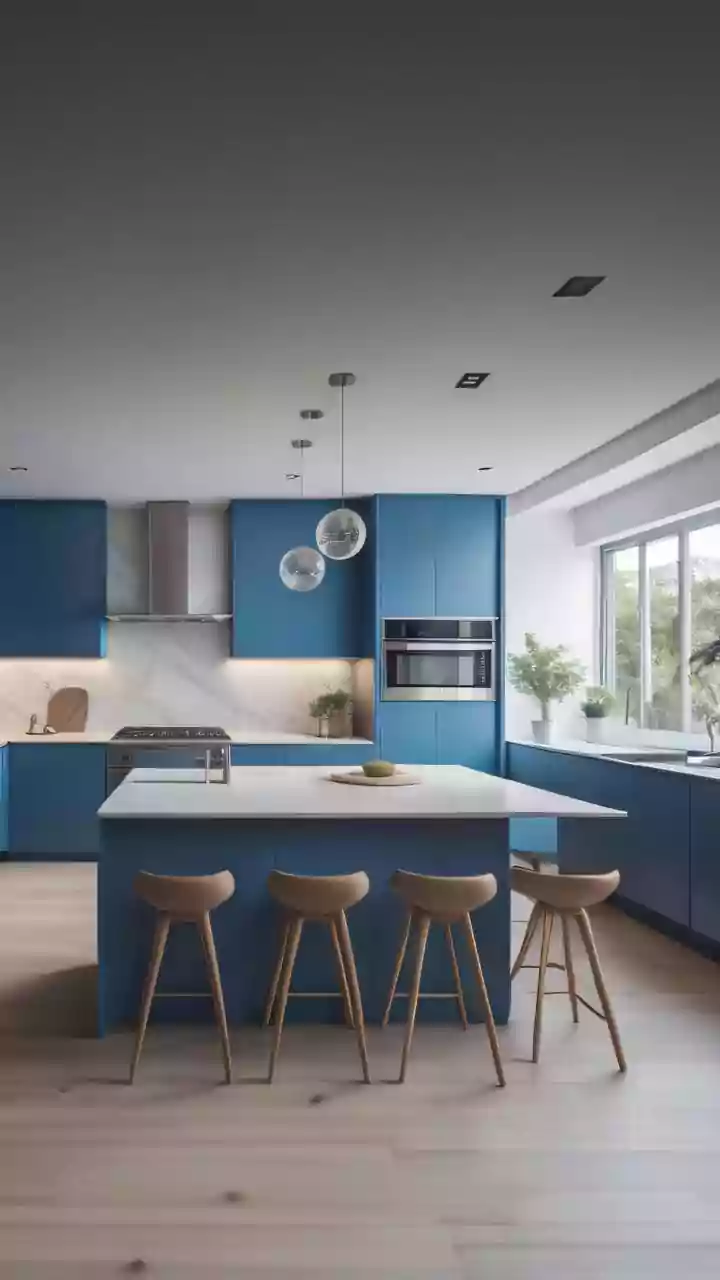
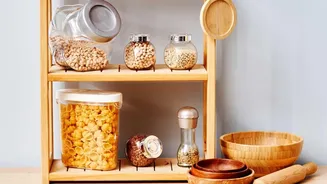
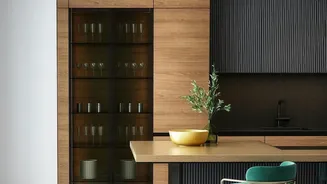
The Larder, Reimagined for Modern Kitchens
Once a staple in homes before refrigeration, the larder was a cool space for preserving food. Today, its modern counterpart, the freestanding larder, has been reborn as a stylish and highly functional cabinet for all non-perishables. Unlike a built-in
pantry which is integrated into the kitchen's architecture, a freestanding larder is a standalone piece of furniture. This distinction is key to its appeal. It’s essentially a tall, spacious cupboard designed specifically for food, spices, and even small appliances, consolidating everything in one organised hub. This revival isn’t just about storage; it’s about bringing a piece of thoughtfully designed furniture into the heart of the home.
More Than Storage: The Appeal of the Standalone
The return of the larder is driven by a desire for kitchens with more character and flexibility. In an era of uniform, fitted cabinetry, a freestanding piece introduces a softer, more ‘unfitted’ look that feels personal and collected over time. It breaks up monotonous rows of cupboards, adding a focal point and an opportunity for a splash of colour or contrasting material. This trend is also a nod to practicality. For renters or homeowners hesitant to commit to a costly remodel, a freestanding larder offers immense storage that can be moved or repositioned as needs change. It provides the functionality of a pantry without the permanence, blending nostalgic charm with modern convenience.
A Powerhouse of Practicality
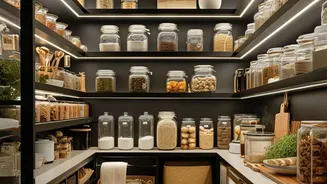
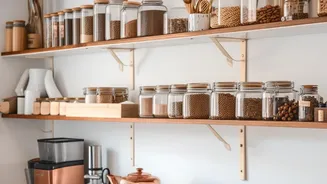
The primary benefit of a freestanding larder is its sheer organisational power. It allows you to dedicate one area to all your dry goods, from spices and tins to cereals and snacks, freeing up valuable cabinet space elsewhere. This centralisation makes meal prep more efficient and helps you see what you have at a glance, potentially reducing food waste and preventing duplicate purchases. Modern larders are often designed with incredibly versatile interiors, featuring a combination of adjustable shelves, deep drawers, spice racks on the doors, and sometimes even a cold marble or slate shelf for items like bread or pastries. Some even come with integrated power outlets, creating a perfect station for a coffee machine or microwave, keeping countertops clear.
Finding Your Perfect Freestanding Match
Choosing the right larder is about balancing form and function. First, assess your space. Measure the intended spot carefully, considering not just width and depth but also height to maximise vertical storage. It's also important to think about workflow; placing the larder near your main prep area will ensure easy access to ingredients. Next, consider the style. A larder can either blend in with your existing kitchen by matching the colour and finish, or it can serve as a statement piece in a bold, contrasting shade. Finally, prioritise a high-quality build. Solid wood and strong joinery will ensure the piece lasts for years and can withstand the daily demands of a busy kitchen. Look for adjustable shelves and smart interior fittings that can be customised to your specific storage needs.