








1. Prioritise Safe Drinking Water
The risk of water contamination skyrockets during the monsoon, leading to a surge in water-borne diseases like cholera, typhoid, and jaundice. Municipal water lines can get contaminated with sewage and floodwater. Make it a non-negotiable rule to only
drink water that has been properly purified. The safest methods are boiling water for at least one minute or using a reliable multi-stage water purifier (RO+UV). If you're travelling or buying bottled water, ensure the seal is intact and it's from a reputable brand. Avoid drinking water from any unverified source, no matter how clean it looks.
2. Boost Your Immunity with a Seasonal Diet
Your digestive system can become sluggish during the humid monsoon months, making you more susceptible to infections. Strengthen your body’s natural defences by adjusting your diet. Incorporate immunity-boosting foods rich in Vitamin C, like amla, citrus fruits, and bell peppers. Add warming, anti-inflammatory spices like turmeric, ginger, and black pepper to your meals. It's wise to avoid leafy green vegetables unless they are thoroughly washed and cooked, as they can carry dirt and germs. Opt for steamed or grilled foods over fried ones, which can be harder to digest.
3. Eliminate Stagnant Water Around Your Home
Stagnant water is the primary breeding ground for Aedes mosquitoes, the carriers of dengue and chikungunya. A small amount of water in a discarded coconut shell, an old tyre, or a cooler is enough for them to multiply. Make it a weekly ritual to inspect your home and surroundings. Empty water from coolers, flower pot plates, and any other containers. Ensure your drains are not clogged to prevent water from collecting. A little vigilance can go a long way in preventing a major health crisis for your family and community.
4. Keep Your Feet Dry and Clean
Wading through dirty rainwater is sometimes unavoidable, but it exposes your feet to a host of fungal and bacterial infections, like leptospirosis and athlete's foot. Invest in good-quality waterproof footwear. If your feet do get wet, wash them immediately with soap and clean water, and dry them thoroughly, especially between the toes. Avoid wearing wet socks or shoes for extended periods. A light dusting of anti-fungal powder can also help keep your feet dry and infection-free.
5. Be Wary of Electrical Hazards
Water and electricity are a deadly combination. During the monsoon, be extra cautious about electrical safety. Avoid touching switches with wet hands. If you notice any exposed wires or faulty electrical points in or around your house, get them fixed by a qualified electrician immediately. Stay away from downed power lines and report them to the authorities. During thunderstorms, it's a good practice to unplug sensitive electronics like TVs and computers to protect them from power surges.
6. Drive and Walk with Extreme Caution
Roads become treacherous during the rains. Reduced visibility, slippery surfaces, and waterlogged streets filled with hidden potholes dramatically increase the risk of accidents. If you're driving, reduce your speed, maintain a safe distance from the vehicle ahead, and ensure your tyres, brakes, and wipers are in good condition. As a pedestrian, wear bright clothing to be more visible to drivers. Be careful of open manholes, which are a serious hazard on flooded streets. If the rain is too heavy, it's always safer to wait it out.
7. Waterproof Your Essentials
Nothing ruins a day faster than a water-damaged phone or a soggy wallet. Before you step out, take a moment to protect your valuables. Use waterproof bags or even simple zip-lock pouches for your phone, wallet, and important documents. A good-quality, sturdy umbrella and a reliable raincoat are not luxuries but necessities. Investing in a waterproof backpack can also save you a lot of trouble, especially if you commute with a laptop.
8. Air Out Your Home to Prevent Dampness
High humidity can lead to damp walls, mould growth, and a pervasive musty smell inside the house. This can trigger allergies and respiratory issues. Ensure your home is well-ventilated. Open windows and doors for a few hours on sunny or dry days to let fresh air circulate. Use dehumidifiers in particularly damp areas. Natural absorbents like camphor or neem leaves can be placed in cupboards to protect clothes from moisture and insects.
9. Rethink Your Street Food Choices
While the craving for hot bhajis and chaat intensifies during the monsoon, this is the riskiest time to indulge in street food. The high humidity and exposure to contaminated water increase the chances of food getting spoiled or infected with bacteria. Water used for chutneys and golgappas might not be clean. If you must indulge, choose vendors who maintain high standards of hygiene, cook food fresh in front of you, and are known for their cleanliness. Otherwise, it's far safer to satisfy your cravings at home.
10. Keep an Emergency Kit Ready
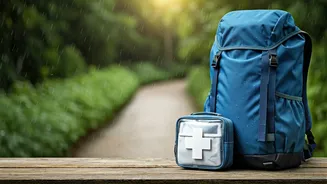
Power cuts and traffic standstills are common during heavy downpours. It's wise to have a basic emergency kit prepared. This should include a flashlight with extra batteries, a power bank for your phone, a first-aid kit with antiseptic lotion and bandages, and some non-perishable snacks like biscuits or nuts. Having these items handy can make unexpected disruptions much more manageable and less stressful for you and your family.