



Why Monsoon Demands a Diet Shift
The arrival of the monsoon brings welcome relief from the summer heat, but it also ushers in a period of lower immunity and sluggish digestion. The increased humidity in the air can slow down our metabolic rate, making the body more susceptible to infections,
colds, and stomach issues. This is why traditional Indian wisdom, including Ayurveda, advises shifting to lighter, warmer, and easily digestible foods during the rainy season. It's the body's time to reset. While the heart craves deep-fried pakoras and samosas, our gut health calls for something gentler. This is where a simple, wholesome bowl of vegetable dalia becomes not just a meal, but a seasonal necessity.
The Nutritional Power of Dalia
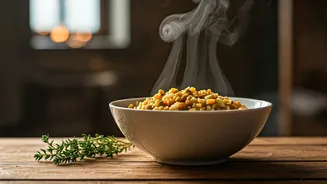
Dalia, or broken wheat, is the unsung hero of the Indian pantry. Unlike refined grains, it's a complex carbohydrate that is rich in dietary fibre. This has a twofold benefit: first, the high fibre content keeps you feeling full for longer, curbing unhealthy mid-meal cravings. Second, it aids in maintaining a healthy digestive tract by promoting regular bowel movements, a common concern during the monsoon. Dalia is also a good source of protein, essential B vitamins, and minerals like magnesium and iron. This nutritional profile ensures a slow and steady release of energy, preventing the lethargy that often accompanies grey, rainy days. It’s the kind of sustained fuel your body needs to navigate the season effectively.
A Rainbow of Vegetables for Immunity
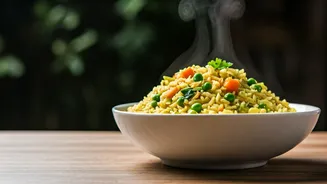
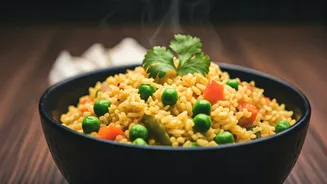
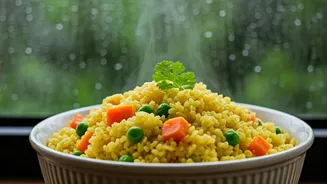
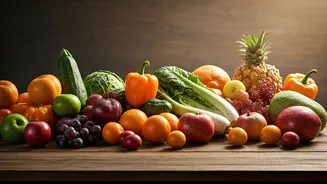
What truly elevates dalia to a monsoon superfood is the addition of seasonal vegetables. A colourful mix of carrots, peas, beans, bell peppers, and cauliflower turns a simple porridge into a powerhouse of vitamins and antioxidants. Carrots are rich in beta-carotene (a precursor to Vitamin A), which is crucial for a strong immune system. Green peas and beans provide plant-based protein and essential minerals. Bell peppers are an excellent source of Vitamin C, a potent antioxidant known for its role in fighting off infections. Adding a pinch of turmeric (haldi) not only imparts a beautiful golden hue but also brings its powerful anti-inflammatory and antiseptic properties to the dish. This combination works synergistically to bolster your body's natural defences when they are most vulnerable.
Easy on the Stomach, High on Comfort
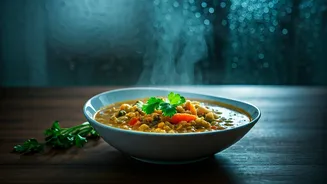
One of the greatest advantages of vegetable dalia during the monsoon is its digestibility. Cooked to a soft, porridge-like consistency, it is incredibly light on the stomach. The body doesn't have to work overtime to break it down, which is a significant relief for a digestive system already burdened by the season's humidity. For those feeling under the weather with a cold or mild fever, a warm bowl of dalia is the ultimate comfort food. It provides essential hydration and nutrients without stressing the gut. Seasoning it with ginger, black pepper, and cumin (jeera) can further enhance its digestive benefits and add a gentle warmth that is deeply soothing on a cool, damp day.
How to Make It Your Own
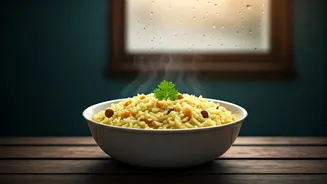
The beauty of vegetable dalia lies in its versatility. It’s a one-pot meal that requires minimal effort—perfect for lazy afternoons. You can start by lightly roasting the dalia to enhance its nutty flavour. Sauté your favourite spices like cumin seeds, mustard seeds, and a pinch of asafoetida (hing) in a little ghee or oil. Add chopped onions, ginger, and garlic, followed by a medley of finely chopped vegetables. Stir in the roasted dalia, add water or a light vegetable broth, and pressure cook until soft and fluffy. You can adjust the consistency to your liking, making it thicker like an upma or soupier like a khichdi. It’s a complete, balanced meal that satisfies the soul without compromising your health.