





The Connection Between Humidity and Mould
Mould is a type of fungus that exists everywhere, with its microscopic spores floating in the air. Under normal, dry conditions, these spores are harmless. However, the monsoon changes the equation dramatically. When humidity levels rise above 60%, the air becomes
saturated with moisture, creating the perfect breeding ground for these spores to land, germinate, and grow. They feed on organic materials commonly found in our homes, such as wood, paper, fabric, and even the paint on our walls. During the monsoon, indoor humidity can easily climb to 80-90%, turning homes into ideal incubators for mould colonies.
More Than Just an Ugly Stain
It's easy to dismiss mould as a simple cosmetic issue, but its presence can have significant consequences for both your health and your property. For individuals with allergies, asthma, or compromised immune systems, mould exposure can trigger a range of symptoms. These include sneezing, coughing, itchy eyes, skin rashes, and breathing difficulties. Even in healthy individuals, prolonged exposure can lead to respiratory irritation. Beyond health, mould can cause lasting damage to your home. It can eat away at wooden furniture, warp walls, stain fabrics permanently, and create a persistent musty odour that is difficult to eliminate.
Key Strategies for a Drier Home
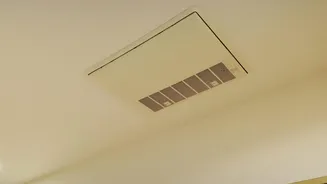
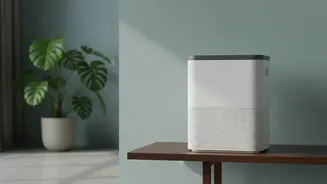
The most effective way to combat mould is to control the humidity levels inside your home. The first line of defence is promoting good ventilation. Open windows and doors for at least 30 minutes a day, preferably when it is not raining, to allow fresh air to circulate and moisture to escape. Use exhaust fans in kitchens while cooking and in bathrooms after showering to expel damp air. If high humidity persists, investing in a dehumidifier can be a game-changer. These appliances actively pull moisture from the air, helping to maintain an ideal humidity level below 60%. Lastly, avoid drying clothes indoors, as this releases a large amount of moisture into the air.
Natural and Low-Cost Prevention Tips
You don't always need expensive gadgets to keep dampness at bay. Several simple, cost-effective methods can help. Placing bowls of rock salt or charcoal briquettes in damp corners, cupboards, and wardrobes can help absorb excess moisture. Small packets of silica gel, often found in new shoe boxes or electronic packaging, can be reused in smaller enclosed spaces like drawers and closets. Allowing natural sunlight into rooms whenever possible is also a powerful mould deterrent, as UV rays can help kill spores and dry out damp surfaces. Cross-ventilation is your best friend in the fight against stagnant, humid air.
Safely Cleaning Up a Mould Problem
If you find a small patch of mould, it's important to clean it properly to prevent it from spreading. Before you begin, protect yourself by wearing rubber gloves, a mask, and safety goggles. For a simple and effective cleaning solution, mix equal parts of white vinegar and water in a spray bottle. Spray the affected area, let it sit for an hour, and then scrub the surface with a brush. For more stubborn spots, a paste made from baking soda and water can be used. After scrubbing, wipe the area clean with a damp cloth and ensure it is completely dry. Avoid using bleach, as it may only remove the colour of the mould without killing the underlying spores.