






A New Gateway to the Wild
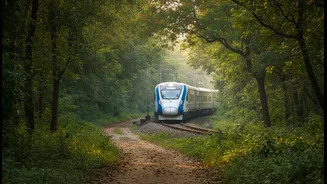
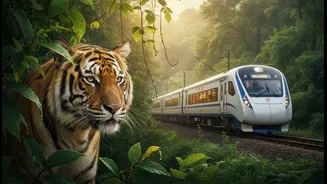
The expansion of Vande Bharat routes has been a game-changer for wildlife tourism. Destinations that once required complex multi-leg journeys are now significantly more accessible. For instance, travellers can reach Mysuru, just a two-hour drive from
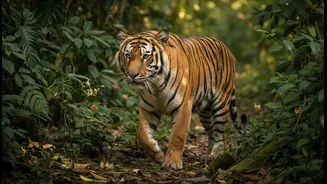
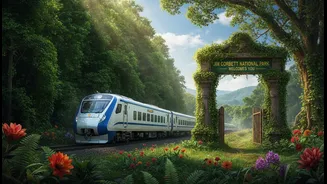
Bandipur National Park, home to tigers and Asian elephants. Similarly, the Vande Bharat service to Veraval brings wildlife enthusiasts within 45 kilometres of Gir National Park, the last abode of the Asiatic lion. Other prominent reserves like Ranthambore in Rajasthan, Jim Corbett in Uttarakhand, and even Kaziranga in Assam are now connected via nearby Vande Bharat stations like Sawai Madhopur, Dehradun, and Guwahati, respectively. This enhanced connectivity not only saves precious travel time but also offers a comfortable and often more sustainable alternative to air or road travel. The economic ripple effect is substantial, boosting local economies around these parks by creating jobs for guides, and hospitality staff, and promoting local handicrafts.
The Unseen Risks of Speed
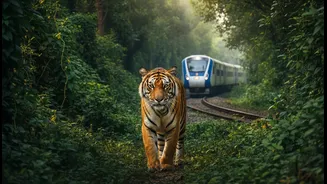
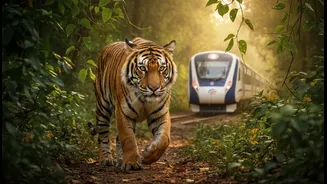
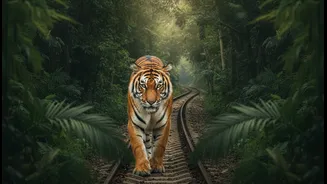
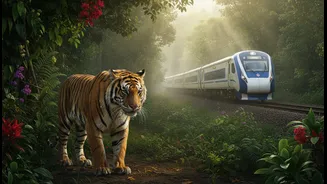
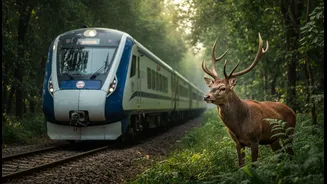
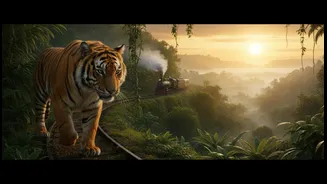
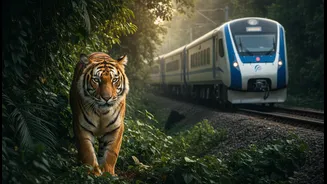
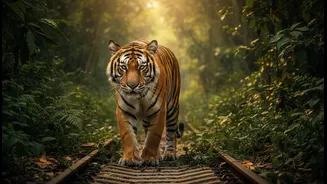
While the convenience is undeniable, the expansion of high-speed rail through ecologically sensitive areas presents significant challenges. The most immediate danger is the increased risk of wildlife-train collisions. Railway lines that cut through natural habitats and ancient animal corridors can become death traps. While many reported Vande Bharat animal-hit incidents involve cattle, the risk to wildlife, especially large mammals like elephants, is a serious concern for conservationists. These linear infrastructure projects can fragment habitats, isolating animal populations and disrupting natural movement patterns essential for their survival. The noise and vibration from frequent, high-speed trains can also create stress and alter animal behaviour. Furthermore, the very accessibility that makes these getaways attractive can lead to over-tourism if not managed sustainably, putting pressure on the delicate ecosystems of our national parks and increasing human-wildlife conflict.
Balancing Progress and Preservation
Fortunately, the challenge of mitigating these risks is being addressed. Indian Railways, in collaboration with the Environment Ministry and wildlife organisations, has identified dozens of sensitive stretches across the country where animal movement is high. On these routes, a multi-pronged strategy is being deployed. Structural solutions include the construction of dedicated wildlife underpasses and overpasses, ramps, and guide-fencing to channel animals towards safe crossing points. Technology is also playing a crucial role. AI-powered Intrusion Detection Systems (IDS) are being piloted in several areas. These systems use a combination of thermal cameras and acoustic sensors distributed along the tracks to detect the presence of animals, automatically alerting train drivers and control rooms to slow down and prevent collisions. Such innovations represent a critical step towards finding a functional balance between modern infrastructure development and the urgent need for wildlife conservation.
A Guide to Responsible Travel
The responsibility for protecting these natural treasures also lies with us, the travellers. The new Vande Bharat routes empower us to be not just tourists, but conscious visitors. The first step is to choose your travel partners wisely. Opt for safari operators and lodges that are certified for their sustainable practices and contribute to local community welfare and conservation projects. When visiting a park, adhere strictly to all rules and guidelines provided by the forest department. This includes maintaining silence, not littering, and keeping a safe and respectful distance from animals. Consider travelling during the shoulder seasons instead of peak times to reduce pressure on the park's resources. Engage with your guide, ask questions, and learn about the local ecosystem and the conservation challenges it faces. Your tourism money can be a powerful tool for good, providing a direct economic incentive for local communities to protect the wildlife that makes their home a destination. By making informed and ethical choices, you can ensure your getaway contributes positively to the preservation of India’s magnificent natural heritage.