





1. Inspect the Packaging First
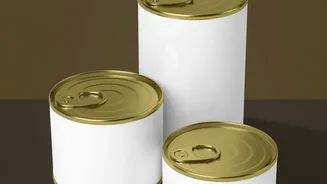
Before a product even makes it into your hands for a label check, give the package a thorough once-over. Do not buy cans that are bulging, leaking, or have major dents, especially along the seams. For boxes and bags, look for any tears, broken seals,
or signs of tampering like re-applied tape. If a package looks like it has been opened or damaged, it is best to leave it on the shelf. Also, be wary of products that appear to have thawed and been refrozen. This physical check is your first line of defense against potential contamination or spoilage.
2. Go Straight to the 'Best Before' Date
One of the most crucial pieces of information is the date marking. In India, you will typically find a 'Best Before' date or a 'Use By' date. A 'Best Before' date indicates when the product may start to lose quality but can still be safe to eat, while a 'Use By' date is a stricter deadline for safety. Always check that this date is clearly visible and has not been altered or covered by a new sticker. While many items are safe past the 'Best Before' date if stored properly, it is a key indicator of freshness. Never purchase items that are past their 'Use By' date.
3. Read the Ingredients List, Not the Slogans
The front of the package is advertising; the back is information. The ingredients list is where the truth lies. In India, ingredients must be listed in descending order of weight. The first three ingredients make up the bulk of the product. Be cautious if sugar, refined flour (maida), or unhealthy fats like palm oil or hydrogenated oils are high on the list. Also, be aware that sugar has many names, such as glucose syrup, fructose, corn syrup, maltodextrin, and fruit juice concentrate. Companies often use several different types of sugar so that none of them appears as the top ingredient.
4. Decode the Nutritional Information
The nutrition facts panel is mandatory on all packaged foods in India. To make fair comparisons between products, always look at the 'per 100g' or 'per 100ml' column, not the 'per serving' column. Manufacturers can set unrealistic serving sizes to make numbers for calories, sugar, and salt appear lower than they actually are. As a general guide, over 1.5g of salt (or 600mg of sodium) per 100g is considered high. For sugar, anything above 22g per 100g is high. This panel gives you the real data on energy (calories), fat, protein, and carbohydrates.
5. Be Wary of Marketing Buzzwords
Words like 'natural,' 'healthy,' 'pure,' or 'real' are often just marketing. The Indian food regulator, FSSAI, has been cracking down on misleading claims like "100% pure" when they are ambiguous or hard to verify. A product might be 'low-fat' but loaded with sugar to compensate for taste. A 'baked, not fried' snack can still be high in sodium and refined carbs. Similarly, 'cholesterol-free' is a common claim on vegetable oils, but all plant-based foods are naturally free of cholesterol. Always let the ingredients list and nutrition panel guide your decision, not the claims on the front.
6. Look for the FSSAI Logo and License
Every legitimate food product sold in India must have the FSSAI logo and license number displayed on its package. This indicates that the manufacturer complies with the food safety standards set by the government. You should also see a clear green circle in a square for vegetarian products or a brown triangle in a square for non-vegetarian items. The absence of this basic information is a major red flag and you should not purchase the product.