




The Common Texture Trap
When a recipe calls for cream and you only have thick yogurt, it seems like a reasonable swap. Both are creamy. When you need a crunchy topping, you might substitute toasted nuts for breadcrumbs. This impulse to match texture is a great starting point
because texture is fundamental to how we experience food. A dish that’s meant to be silky but turns out grainy, or one that’s supposed to be crisp but ends up soft, can feel like a failure. However, focusing only on texture can lead you astray. The yogurt brings a tang that the cream lacks, and that tang can dramatically alter the final taste of your dish. Successful substitution isn't just about mimicking mouthfeel; it's about understanding an ingredient's entire role, and that's where acidity comes in.
Acidity: The Flavour Brightener
Think of acidity as the component that makes food taste vibrant and alive. A squeeze of lime over a dal, a splash of vinegar in a rich gravy, or a spoonful of yogurt in a marinade all serve a similar purpose. Acidic ingredients cut through fat and richness, preventing a dish from feeling heavy or one-dimensional. They balance sweetness, enhance saltiness, and can even tone down bitterness. If you've ever tasted a dish that felt like it was 'missing something' even after you've seasoned it with salt, the answer is often a touch of acid. It wakes up all the other flavours, making them more distinct and satisfying.
Understanding the Role of Different Acids
Not all acids are created equal. Different ingredients provide different types of sourness and complexity, making them suitable for various culinary applications. Fresh citrus like lemon and lime offers a bright, sharp acidity that is perfect for finishing dishes, dressing salads, or perking up grilled vegetables. Vinegars, which are fermented, bring a more complex and sometimes milder tang. Apple cider vinegar can add a fruity note, while balsamic offers deep sweetness. In Indian cooking, ingredients like tamarind (imli), dry mango powder (amchoor), and kokum provide a distinctive sourness that is essential for specific regional dishes. Yogurt (dahi) and buttermilk contribute a gentle, lactic acidity that also works to tenderise meats in marinades.
A Practical Guide to Acidic Swaps
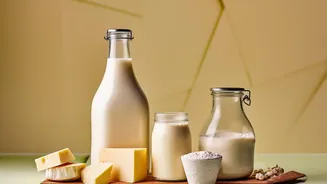
When you substitute one ingredient for another, consider the acidity shift. If you're swapping a non-acidic ingredient (like cream) for an acidic one (like sour cream or yogurt), you may need to make adjustments. For example, in a creamy tomato soup, using yogurt instead of cream will increase the overall tartness. You might balance this with a pinch of sugar or by adding a fatty element like a swirl of olive oil to mellow the flavour. Conversely, if a recipe calls for buttermilk (which is acidic) and you only have regular milk, you can approximate the effect by adding a tablespoon of lemon juice or vinegar to the milk. This not only mimics the tangy flavour but also helps achieve a similar chemical reaction in baked goods.
Putting It All Together
Let's revisit the texture-first approach with this new knowledge. You need a substitute for sour cream as a topping for your sabzi or chili. Plain yogurt is a good textural match. Both are creamy, but standard yogurt might be tarter and thinner. To make it a better substitute, you could use thick, hung curd (Greek yogurt) to match the richness and add a tiny bit of salt to balance the tang. If a recipe calls for wine to deglaze a pan, its primary role is to add moisture and acidity. You could substitute it with broth mixed with a splash of vinegar to achieve a similar result. By thinking about both texture and acidity, you move from simple replacement to thoughtful adaptation, which is the cornerstone of intuitive cooking.