




The Power of Scarcity
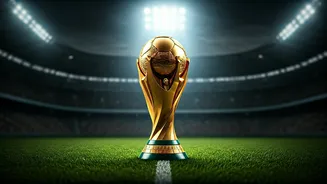
Unlike the weekly rhythm of club football or the annual churn of most championships, the FIFA World Cup happens only once every four years. This scarcity transforms it from a mere sporting event into a generational marker. People remember their lives
in World Cup cycles: “That was the year of Zidane’s headbutt,” or “I was in college when Iniesta scored the winner.” This long wait builds anticipation to a fever pitch, ensuring that when the tournament finally arrives, it feels like a rare, precious occasion that must be savoured. It’s not just another game; it’s a global spectacle that has been years in the making, demanding our full attention.
A Global Language of Unity
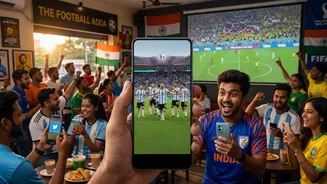
In a world often divided by politics, language, and culture, football provides a universal dialect. During the World Cup, the simple narrative of 11 players trying to score a goal transcends borders. In India, where the national team is yet to qualify, this phenomenon is even more pronounced. Entire neighbourhoods in Kerala pledge allegiance to Brazil or Argentina, while fans in Kolkata and Goa passionately debate Messi versus Ronaldo. This adopted fandom is not just about appreciating good football; it’s about joining a global tribe. For one month, your neighbour, your boss, and a stranger in a cafe all share a common emotional investment, creating a powerful, albeit temporary, sense of unity.
The Rituals of Celebration
Every holiday has its rituals, and the World Cup is no different. These traditions give the event structure and a sense of shared experience. It begins with decorating homes and vehicles with the flags of a chosen team. Then comes the social gathering—friends and family crowding around a single screen, a ritual that has moved from living rooms to large public screenings in parks and community halls. There are specific foods and drinks associated with late-night matches, and the 'uniform' of a team jersey becomes daily wear. These actions, repeated across millions of households, are what sociologist Émile Durkheim called “collective effervescence”—a community or society coming together to communicate the same thought and participate in the same action, creating a feeling of intense group solidarity.
An Escape from the Everyday
For thirty days, the World Cup offers a grand narrative that provides a welcome distraction from the complexities of daily life. The news cycle, personal anxieties, and professional pressures can all take a backseat to the simple drama unfolding on the pitch. Will the underdog pull off an upset? Will the superstar deliver? The stakes are high but confined to the world of sport, making it a safe and cathartic emotional outlet. This month-long festival offers a collective 'pause' button. Offices may empty out during crucial matches, and social calendars revolve around the fixture list. It’s a socially sanctioned reason to prioritise joy, passion, and community over routine.
A Proxy for National Pride
At its core, the World Cup is a contest between nations. The jersey a player wears represents not just a team, but an entire country's hopes, history, and identity. A victory on the pitch is felt as a victory for the nation, a moment of pride on the global stage. Even for fans in non-participating countries like India, the act of supporting a team is an emotional investment in a national story. It allows fans to experience the highs of patriotic fervour and the lows of collective heartbreak. The tournament taps into a deep-seated human need to belong to something larger than oneself, and for one month every four years, a football team becomes the most visible and emotionally resonant symbol of that belonging.