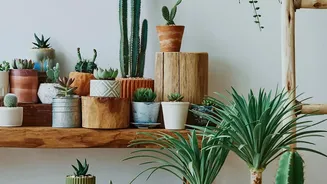





Desert plants like cacti and succulents bring structural beauty indoors, but their watering needs are unique. The most common mistake is too much kindness in the form of overwatering. Here are the simple rules to get it right every time.
Embrace the 'Soak and Dry' Method
The single most
important rule for watering indoor desert plants is to mimic their natural habitat: long periods of drought followed by a heavy downpour. This is known as the 'soak and dry' method. When it's time to water, do so thoroughly. Pour water onto the soil until it freely runs out of the drainage holes at the bottom of the pot. This ensures the entire root ball gets access to moisture. Then, the crucial part: allow the soil to dry out completely before you even think about watering again. This cycle of drenching and drying encourages strong root development and prevents the plant from sitting in constantly damp conditions, which is their number one enemy.
Let the Soil Be Your Guide, Not the Calendar
One of the biggest mistakes new plant owners make is watering on a fixed schedule. Factors like pot size, soil type, humidity, and light exposure mean that a succulent might need water every 14 days in the summer but only every six weeks in the winter. Instead of guessing, check the soil. The easiest way is to stick your finger about an inch or two into the soil. If you feel any moisture, wait a few more days. If it feels completely dry, it's time to water. For smaller pots, you might be able to tell by the weight; a pot with dry soil is significantly lighter. Sticking a wooden skewer into the soil can also work; if it comes out clean and dry, it's watering time.
When in Doubt, Don't Water
Succulents and cacti are far more resilient to underwatering than they are to overwatering. Their fleshy leaves and stems are designed to store water for long periods, allowing them to survive droughts. Overwatering, however, leads to root rot, a condition from which few desert plants recover. The signs of overwatering include translucent, yellowing, or soft and mushy leaves that fall off easily. Underwatered plants, by contrast, will have leaves that look wrinkled or shriveled, but they will typically bounce back quickly after a thorough soaking. If you are ever unsure whether it's time to water, it is always safer to wait a few more days.
The Right Pot and Soil Are Crucial
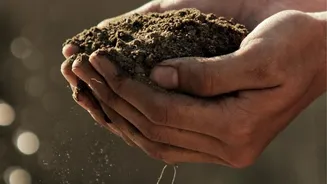
Proper watering is impossible without the right foundation. First, your pot must have drainage holes. This is non-negotiable, as it allows excess water to escape, which is the entire principle behind the 'soak and dry' method. Pots made from porous materials like terracotta are also beneficial as they help wick moisture away from the soil. Second, use a soil mix specifically designed for cacti and succulents. Regular potting soil holds onto too much moisture. A proper cactus mix is gritty and fast-draining, often containing ingredients like perlite, pumice, or coarse sand to ensure water flows through quickly and doesn't leave the roots waterlogged.
Adjust Your Routine for the Seasons
Desert plants, even when kept indoors, respond to seasonal changes in light and temperature. Most succulents enter a period of dormancy or rest during the autumn and winter months when daylight hours are shorter. During this time, their growth slows, and their water needs decrease significantly. You should reduce watering frequency, sometimes to as little as once a month or even less, always checking the soil first. Conversely, during their active growing season in the spring and summer, when they receive more light and temperatures are warmer, they will use water more quickly and need to be watered more often.