




Understanding Bharat Stage Norms
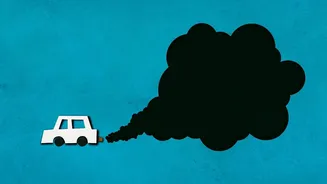
Bharat Stage Emission Standards (BSES) are regulations instituted by the Indian government to control the output of air pollutants from internal combustion engine vehicles. First introduced in 2000 and based on European norms, these standards have been
progressively tightened to improve the country's air quality. India famously skipped BS-V and transitioned directly from BS-IV to the much stricter BS-VI norms in April 2020, a move that significantly reduced permissible levels of pollutants like nitrogen oxides (NOx) and particulate matter (PM). The proposed BS-VII is the next logical, and far more comprehensive, step in this journey.
Beyond the Tailpipe: What's New in BS-VII?
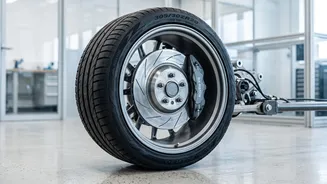
The jump from BS-VI to the proposed BS-VII is about more than just tightening exhaust limits; it’s a holistic rethink of vehicular pollution. For the first time, the norms will regulate non-exhaust emissions, including particles generated from brake wear and tyre abrasion. This is crucial because these particles are a significant source of pollution, even from electric vehicles. The proposal, which is modelled on Europe's Euro 7 framework, also introduces standards for the durability of batteries in electric and hybrid vehicles, ensuring they retain a certain percentage of their capacity over time. For instance, batteries must retain at least 75% of their capacity after five years or 100,000 km.
A Phased Rollout Plan
The Ministry of Road Transport and Highways has proposed a gradual implementation of BS-VII norms. The first phase is set to begin on April 1, 2029, for new models of passenger cars (M1 category). This will be followed by light commercial vehicles from April 2030, and heavy-duty vehicles like buses and trucks from April 2031. The rules will then be progressively tightened, with additional regulations for brake particles and tyre abrasion coming into effect in subsequent years, stretching to 2035. This phased approach is designed to give manufacturers and testing agencies adequate time to adapt to the new requirements. Existing vehicles, including those compliant with BS-VI, will not be affected by the new rules.
The Real-World Difference
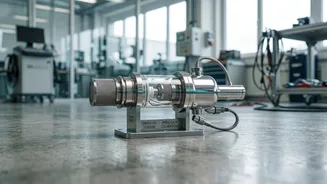
A key pillar of the BS-VII proposal is strengthening real-world testing. While BS-VI introduced Real Driving Emissions (RDE) tests, which measure pollution on actual roads rather than just in a lab, BS-VII aims to make this system more robust. New vehicles will be required to have advanced On-Board Monitoring (OBM) systems that continuously track emissions like NOx and PM in real-time. The proposal also includes an 'Environmental Vehicle Passport', a document that will provide consumers with clear information on a vehicle's emissions, fuel consumption, and battery health, promoting greater transparency.
Impact on Automakers and Consumers
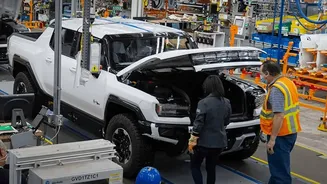
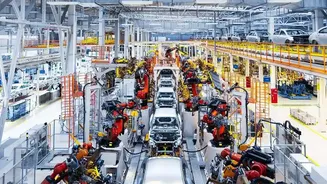
For manufacturers, complying with BS-VII will require significant investment in research and development. They will need to upgrade engine technologies, incorporate new monitoring systems, and re-engineer components to meet the stringent standards for both exhaust and non-exhaust emissions. This technological leap will almost certainly lead to an increase in vehicle prices, an additional cost that will likely be passed on to the consumer. When India transitioned to BS-VI, car prices saw a notable jump, and a similar trend can be expected with the implementation of BS-VII. However, the good news for the industry is that, unlike the BS-VI transition, the new norms will not require oil refineries to make costly upgrades to fuel quality.