


From 'Show Home' to 'Story Home'
For years, the ideal home was often one that looked like it was lifted from a catalogue—perfectly coordinated, sleek, and impersonal. Today, designers and homeowners alike are embracing a different philosophy. The new wave of Indian interior design champions
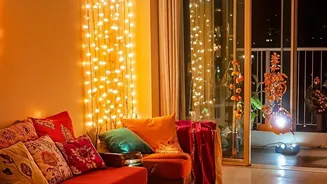
spaces that are 'layered,' 'eclectic,' and deeply personal. This isn't about chaos or clutter; it's an intentional move towards what could be called 'maximalism with a soul'. The focus is shifting from a home that merely looks good to one that genuinely feels good and reflects the lives of the people within it. It's a departure from rigid rules and a celebration of individuality.
The Art of the Layer
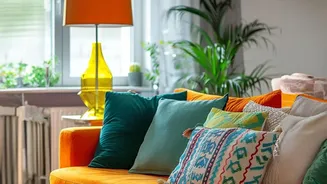
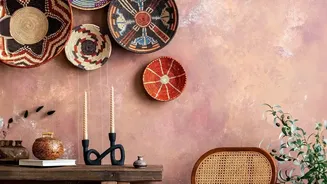
So, what exactly is a 'layered' space? It’s a design approach that focuses on creating depth and visual interest through a rich mix of textures, patterns, and materials. Think handwoven textiles on a modern sofa, a mix of silk and velvet cushions, or a hand-knotted rug on a polished floor. This style moves beyond the flat, two-dimensional feel of some minimalist interiors, creating rooms that feel warm and curated over time. Designers are combining contemporary pieces with traditional Indian craftsmanship, such as carved wood, brass accents, and artisanal fabrics like ikat or kalamkari, to build a narrative within the room. The goal is to create harmony through a common colour palette or repeated textures, making the space feel cohesive yet complex.
Mixing, Not Matching
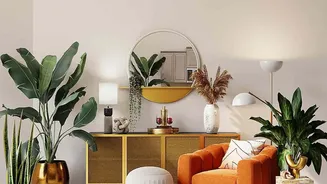
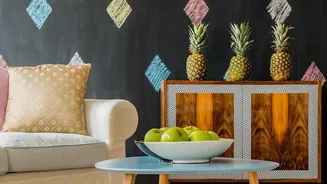
The rulebook on matching furniture has officially been tossed out. Homeowners are now encouraged to become curators of their own space, freely mixing furniture from different eras and styles. A sleek, contemporary dining table might be paired with vintage chairs, or a colonial-era wooden chest can sit comfortably next to a modern armchair. This 'fusion' approach allows for greater flexibility and personality. It acknowledges that our tastes are not monolithic; you can appreciate the clean lines of modern design while also cherishing your grandmother's antique cabinet. The secret to making it work is finding a common thread, like a shared colour, material, or maintaining a similar scale and proportion between pieces to ensure the room feels balanced rather than haphazard.
My Objects, My Story
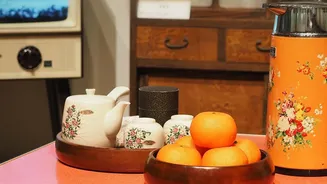
Perhaps the most significant part of this trend is the emphasis on personal objects. Rather than filling shelves with generic, store-bought decor, the focus is on items that hold meaning. This could be art from a local fair, heirlooms passed down through generations, souvenirs from travel, or even a child's first painting. These items turn a house into a home, embedding personal history and stories into the very walls. This approach is a direct reaction against the impersonal nature of mass-produced goods, celebrating instead the unique and the sentimental. A home decorated with personal artifacts doesn't just look interesting; it feels alive and tells you something about its inhabitants before they have even said a word.
Why This, Why Now?
This shift is driven by a number of cultural factors. A renewed appreciation for Indian craftsmanship and heritage is leading people to incorporate traditional elements into modern homes. Furthermore, after years of a global obsession with Scandinavian and Japanese minimalism, there is a growing desire for spaces that are more expressive, colourful, and joyful—a style that has always been a cornerstone of Indian design. There is also a move towards more conscious consumption; instead of buying whole new sets, people are valuing and integrating older pieces. The rise of social media platforms allows individuals to see a wider variety of unique homes, encouraging them to break free from moulds and develop their own personal aesthetic. Ultimately, this trend is about confidence—the confidence to build a home that is a true reflection of your own story.