





An Ambition in Five Parts
Chandrayaan-4 is not a single spacecraft, but a symphony of five distinct modules working in perfect harmony across hundreds of thousands of kilometres. This intricate design is necessary because the mission involves multiple complex steps: launching,
assembling in Earth orbit, travelling to the Moon, landing, collecting samples, launching from the Moon, and returning to Earth. The mission is so massive, weighing around 9,200 kg in total, that it requires two separate launches using ISRO's powerful LVM3 rockets. The five modules are the Propulsion Module (PM), Descender Module (DM), Ascender Module (AM), Transfer Module (TM), and Re-entry Module (RM).
The Assembly in Earth Orbit
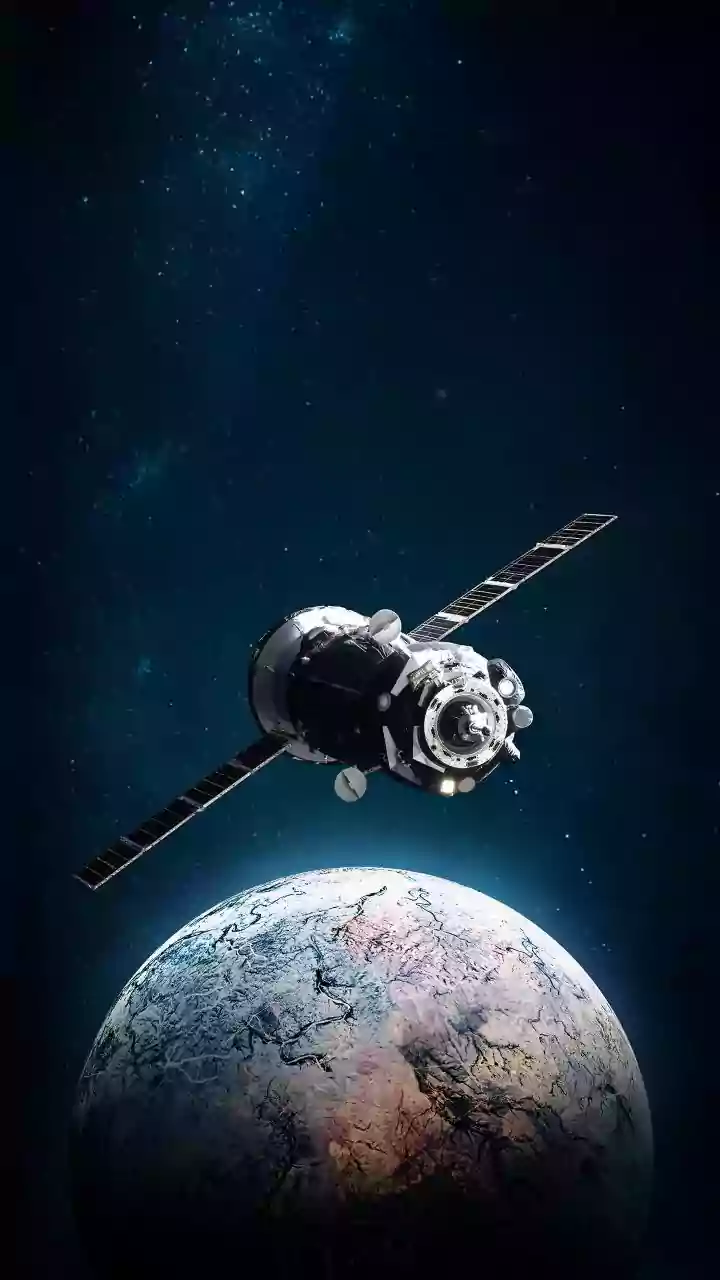
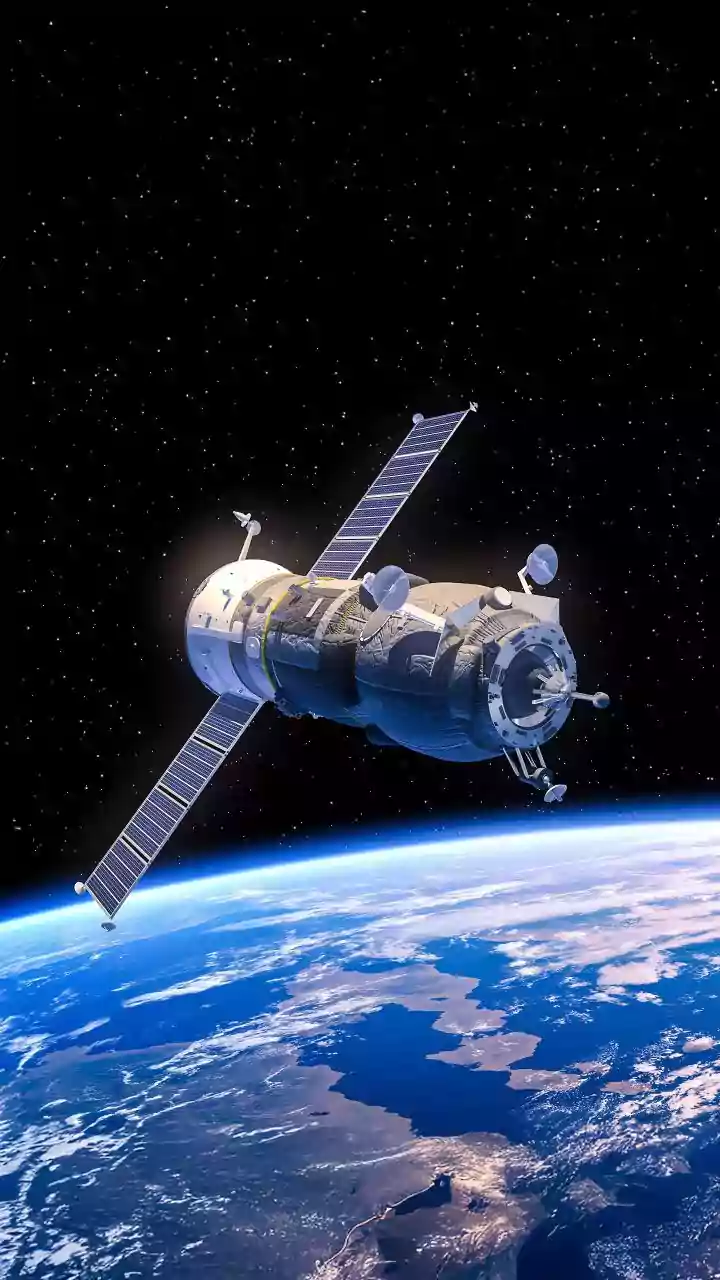
The first major challenge happens before the mission even leaves for the Moon. One LVM3 rocket will launch the Descender Module (the lander) and the Ascender Module. A second rocket will launch the other three: the Propulsion, Transfer, and Re-entry modules. These two separate stacks will then autonomously find each other and dock in Earth's orbit. This manoeuvre, a first for an Indian deep space mission, will create the single, integrated spacecraft ready for its lunar journey. This docking capability is a critical technology that ISRO has been perfecting, essential for future human spaceflight ambitions.
Collecting the Lunar Treasure
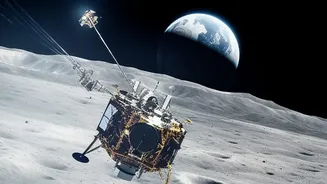
Once in lunar orbit, the Descender and Ascender modules will separate and perform a soft landing, likely near the Moon's south pole. After touchdown, the real work begins. The Descender Module is equipped with a robotic arm and a drill. The arm will scoop surface soil, while the drill will collect subsurface samples, potentially containing valuable water ice. These precious samples, up to 3 kg in total, will be carefully transferred and sealed inside containers within the Ascender Module to protect them from contamination.
Liftoff from the Moon
Here, ISRO will attempt another first for India: launching a rocket from the surface of another celestial body. The Ascender Module, carrying the lunar samples, will use the now-stationary Descender Module as a launchpad. It will fire its engine to lift off from the lunar surface and climb back into orbit. This is an incredibly precise operation, as the small module must reach a specific orbital path to meet up with the modules that remained in orbit.
The Orbital Handover
In lunar orbit, the Ascender Module will perform another delicate docking, this time with the waiting Transfer and Re-entry modules. Once securely connected, the sealed container of lunar soil is transferred from the Ascender to the Re-entry Module. This robotic handover in deep space is a critical step; any failure here would jeopardise the entire sample return. After the transfer is complete, the Ascender is jettisoned, its job done. The Transfer Module then fires its engine, pushing the Re-entry Module on its path back to Earth.
A Fiery Return Home
The final stage is a dramatic one. The Re-entry Module, a capsule designed to protect its cargo, will separate from the Transfer Module and plummet through Earth's atmosphere at blistering speeds. It must withstand extreme temperatures and forces before deploying parachutes to slow its descent. The mission will conclude with the capsule splashing down in the ocean, where it will be recovered by ISRO teams. Inside will be the pristine lunar samples, ready for analysis in labs on Earth, promising new insights into the Moon's history and resources.