


Know Before You Go: Timing Is Everything
Planning a trip to India’s coffee heartlands like Coorg, Chikmagalur, and Wayanad requires a bit of strategy, especially when on a budget. The peak tourist season generally runs from October to March, when the weather is cool and pleasant. This is also
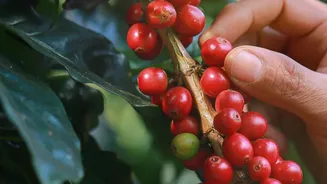
when coffee harvesting often takes place, particularly from November to February, offering a chance to see the plantations bustling with activity. However, this is also when prices are at their highest. For a truly unique experience, consider visiting between February and March to witness the magical coffee blossom season, when the estates are covered in fragrant white flowers. For those who love lush, green landscapes and don't mind the rain, the monsoon season (June to September) offers the lowest tariffs and a spectacular, misty atmosphere. Booking ahead of these peak windows can help you lock in a great deal.
Coorg, Karnataka: The Scotland of India
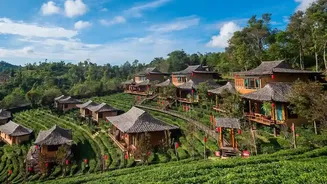
Coorg, or Kodagu, is arguably India's most famous coffee-producing region, responsible for a massive share of the country's output. Fortunately, you don't need a massive budget to enjoy it. The area is dotted with family-run homestays that offer an authentic glimpse into the life of a planter. Properties like The Green Acres near Madikeri are known for their value, providing cozy rooms and delicious home-cooked Kodava meals at affordable prices. For a more immersive experience, Coffee Hills Homestay allows guests to take part in plantation tours and coffee tasting sessions. Many budget stays, which can start from around ₹1,500 to ₹3,000 a night, provide the basics like clean rooms and warm hospitality, letting the stunning natural surroundings be the main luxury. Exploring areas slightly away from the main hub of Madikeri, such as Gonikoppal or Siddapura, can often lead to finding hidden gems that are even kinder to your wallet.
Chikmagalur, Karnataka: The Cradle of Indian Coffee
Known as the birthplace of coffee in India, Chikmagalur offers a rich historical and agricultural experience. The region’s rolling hills and verdant estates provide a stunning backdrop for a budget-friendly holiday. There are numerous homestays nestled deep within coffee estates that offer comfort without a hefty price tag. For instance, Coffee Village Retreat is noted for providing an authentic experience with access to traditional Malnad cuisine, all while being set in a sprawling plantation. Other options like Kalarava Stays offer views of the famous Mullayanagiri Hills from within the estate at a value-for-money price point. Many of these stays focus on the experience, arranging plantation walks, bonfire evenings, and serving endless cups of fresh filter coffee, ensuring your vacation is memorable for its experiences, not its expenses.
Wayanad, Kerala: Nature and Nurture
Wayanad offers a unique blend of coffee plantations, spice gardens, dense forests, and waterfalls, making it a paradise for nature lovers. The homestay culture here is strong, with many ancestral homes and cottages converted into welcoming, budget-friendly accommodations for travellers. Places like Dhanagiri Homestay, located near Vythiri, are part of large working plantations and offer guests spectacular views and a tranquil environment. Similarly, Aranyakam Homestay in Meppadi provides a quiet retreat within a 30-acre plantation, focusing on serenity and connection with nature. These stays often provide simple, comfortable rooms and the invaluable experience of waking up to the sounds of the forest and the aroma of coffee. With options available across different parts of Wayanad, from Kalpetta to Sultan Bathery, finding a stay that fits your budget and itinerary is entirely achievable.
Tips for Booking on a Budget
Securing an affordable coffee estate stay is easier with a few tips. First, be flexible with your travel dates; visiting during the shoulder seasons (just before or after peak demand) can significantly lower costs. Second, book directly with homestays when possible, as this can sometimes be cheaper than going through larger booking platforms. Third, look for stays that include meals. Home-cooked local cuisine is not only more authentic but also saves you the cost and hassle of finding restaurants, which can be few and far between in remote plantation areas. Finally, read recent reviews to gauge the real-world experience. Guests often highlight the hospitality, food, and the quality of the plantation tour, which are the core elements of a great estate stay.