





The Invisible Airborne Invasion
Our air is constantly filled with microscopic fungal spores, tiny seeds of mold that are harmlessly floating around most of the time. These spores are everywhere, both indoors and outdoors. While a freshly baked loaf comes out of the oven sterile, it gets
'contaminated' by these airborne spores almost immediately upon cooling. They land on surfaces, waiting for the right conditions to germinate and grow. Bread, being porous and full of nutrients, is a perfect landing pad.
July's Perfect Storm: Heat and Humidity
July, particularly during the monsoon season in India, creates a perfect storm for mold. Fungi thrive in two specific conditions: warmth and moisture. Most common household molds, like the infamous black bread mold Rhizopus stolonifer, love temperatures between 25°C and 30°C. When combined with the high humidity of the monsoon months, which can exceed 80-90%, these spores have everything they need. The humid air provides the surface moisture required for spores to germinate, a process that can start in as little as 12 to 24 hours under these ideal conditions. In drier, cooler months, these same spores would remain dormant on the bread's surface.
Why Bread is a Prime Target
Bread is essentially a perfect food source for fungi. It's rich in carbohydrates (starches) and retains a significant amount of moisture internally. After baking, moisture from the inside of the loaf migrates outwards, creating a slightly damp surface environment, especially when stored in a plastic bag where condensation gets trapped. This combination of readily available food and moisture makes bread an irresistible buffet for any fungal spore that happens to land on it. Homemade breads, which lack the commercial preservatives designed to inhibit fungal growth, are often the quickest to spoil.
From Tiny Spore to Visible Menace
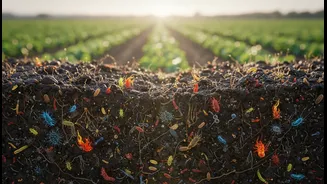
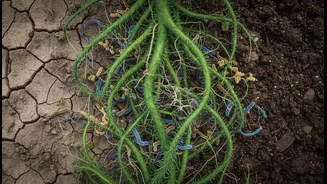
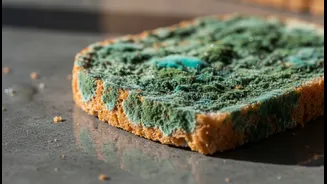
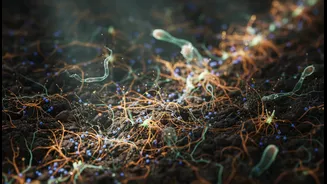
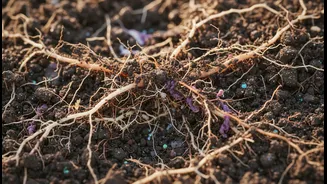
Once a spore germinates on the bread, it develops a network of root-like threads called hyphae, which burrow deep into the porous structure of the loaf. This is why simply cutting off the visible fuzzy spot isn’t enough. By the time you see the green, blue, or black patch on the surface—which is actually the spore-producing part of the fungus—the hyphae have likely spread invisibly throughout the entire slice, and possibly the loaf. These hidden roots can produce mycotoxins, which are potentially harmful if ingested. Because the spread is so extensive and often unseen, the safest approach is to discard the entire loaf once mold is spotted.
Your Kitchen Counter-Offensive
While you can't change the weather, you can change your storage strategy. During humid months, the kitchen counter is the worst place for bread. The refrigerator can slow mold growth, extending the bread's life from a couple of days to over a week, though it can also make the bread go stale faster due to a process called starch retrogradation. For long-term storage, the freezer is your best friend. Slicing the loaf before freezing allows you to take out only what you need, toasting it directly from frozen to restore its texture. Using a breathable bread bag or a well-ventilated bread box can also help by preventing moisture from getting trapped on the crust, unlike a sealed plastic bag.