




Why Flexibility is Your Best Friend
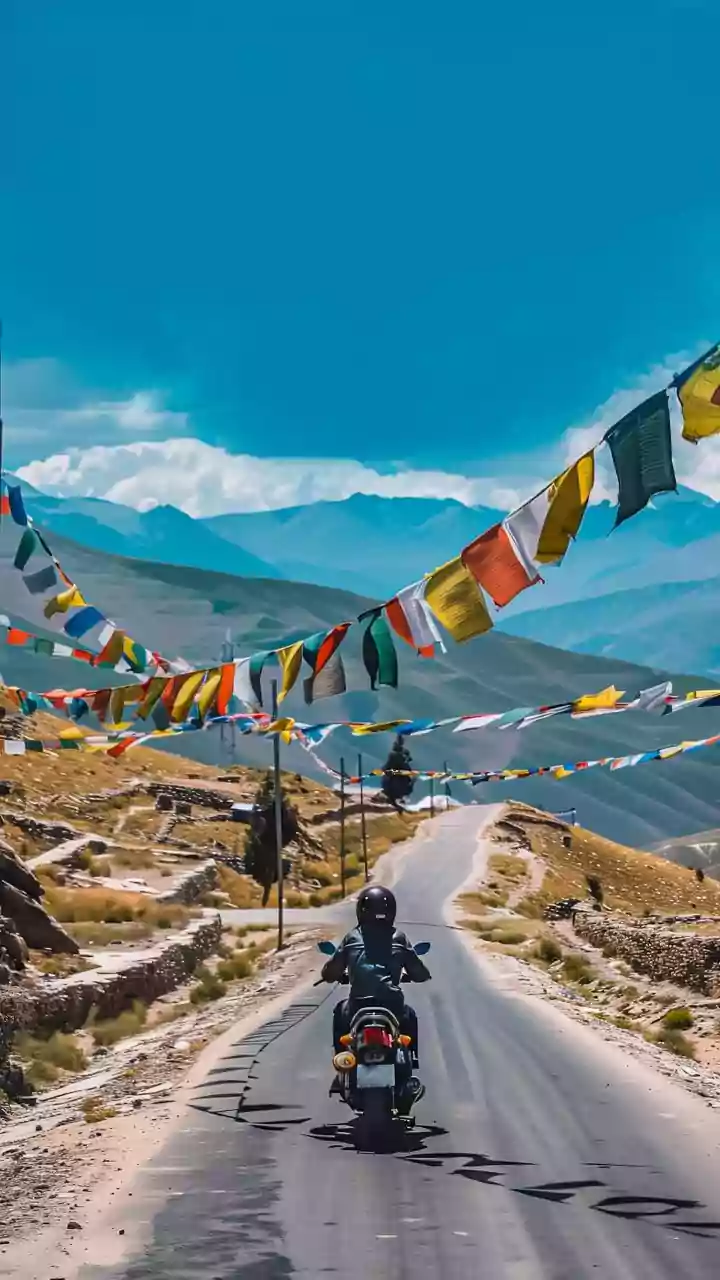
A trip to Kinnaur is an adventure on one of the world's most treacherous and scenic roads, the Hindustan-Tibet Highway (NH-5). The primary reason for a flexible plan is unpredictability. Landslides and rockfalls can block roads for hours or even days,
especially during monsoon but also due to road widening work which involves scheduled blasting closures. Weather changes rapidly; a sunny morning can turn into a cloudy, cold afternoon. Finally, altitude sickness is a real concern as many places like Nako and Chitkul are above 3,000 meters. Building in buffer days allows your body to acclimatize and gives you the freedom to adapt to unexpected delays without stress.
The Core Hubs: Your Building Blocks
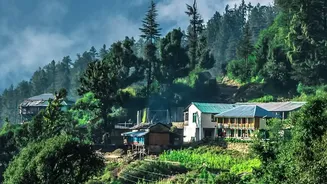
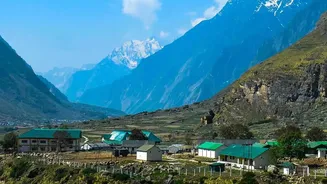
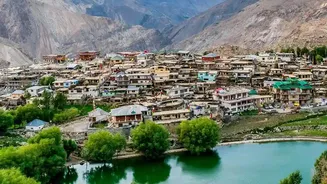
Instead of a rigid day-by-day schedule, think of your trip in terms of 'hubs' or 'blocks'. These are the primary destinations from which you can explore. The main hubs for a first-time visitor are Sangla Valley (for its riverside charm), Chitkul (the famous last village near the border), and Kalpa (for its stunning views of the Kinner Kailash range). Reckong Peo, the district headquarters, serves as a practical base for supplies, transport, and permits. For longer trips, Sarahan with its famous Bhimakali Temple and Nako with its high-altitude lake can be added as additional hubs.
Mix-and-Match Itinerary Blocks
Treat your trip like building with Lego blocks. Allocate a certain number of days to each region and be prepared to swap them around. The Sangla Valley Block (2-3 Days): Base yourself in Sangla or the quieter Rakcham. Spend one day exploring Sangla and the historic Kamru Fort. Use another full day for a trip to Chitkul, where you can walk by the Baspa River and soak in the end-of-the-world feel. Having a base in Sangla offers more flexibility if the road to Chitkul is temporarily closed. The Kalpa Block (2 Days): Kalpa is all about the views of Kinner Kailash. Plan at least one sunrise and sunset here. Use the day to walk through the village, visit the Narayan-Nagini Temple and the Hu-Bu-Lan-Kar Monastery, and take a short drive to the nearby Roghi village. A rest day in Kalpa is also excellent for acclimatisation. * The Sarahan Block (1 Day): Often the first or last stop on a Kinnaur loop, Sarahan is home to the magnificent Bhimakali Temple. It’s a great place to break the long journey from Shimla and get a taste of Kinnauri architecture.
Acclimatisation and Buffer Days
Proper acclimatisation is crucial for health and enjoyment. Ascend gradually. Plan to spend your first night at a lower altitude like Sarahan or Kalpa before heading higher to places like Nako. Drink plenty of water and avoid overexertion in the first 48 hours. The most important part of a flexible itinerary is the buffer day. Add at least one, preferably two, extra days to your total plan. This buffer can be used to wait out a landslide, recover from travel fatigue, or simply spend an extra day in a place you fall in love with.
Practical Tips for a Fluid Journey
To make your flexible plan work, follow these tips. First, start your drives early to avoid getting caught in traffic queues from road closures and to ensure you are not driving on dangerous stretches after dark. When possible, make cancellable hotel bookings, especially for the latter half of your trip. Rely on a mix of transport; private taxis offer the most flexibility, but local HRTC buses are the reliable lifeline of the region and shared taxis are a good middle ground. Always carry enough cash, as ATMs are scarce and often out of service. Indian citizens do not need a permit for the main tourist areas, but must carry a valid photo ID for checkpost registration. Foreign nationals require a Protected Area Permit (PAP) for areas beyond Jangi towards Spiti, which usually requires travelling in a group of two or more.