



The Hidden Dangers in Your Mop Bucket
Many popular floor cleaners contain ingredients that are toxic to animals. Chemicals like ammonia, bleach (chlorine), phenols, and formaldehyde can cause serious health issues if a pet is exposed. Exposure doesn't just happen through accidental ingestion
of the cleaning liquid. Pets can inhale fumes, absorb chemicals through their paw pads after walking on a wet surface, or ingest toxins later by licking their paws or fur. Their proximity to the floor puts them at a higher risk, as heavy chemical vapors can settle low to the ground where they breathe.
Signs of Cleaning Product Poisoning
Symptoms of toxic exposure can vary depending on the chemical and type of contact. Ingesting a corrosive product might cause drooling, vomiting, pawing at the mouth, or abdominal pain. Inhaling strong fumes can lead to coughing, sneezing, watery eyes, or difficulty breathing. Skin contact may result in redness, irritation, or even chemical burns on the paw pads. In severe cases, or with particularly toxic substances like phenols (especially for cats), neurological signs like lethargy, disorientation, or seizures can occur. If you notice any of these signs after cleaning, it's crucial to contact your veterinarian immediately.
Your First Line of Defense: The Closed Door
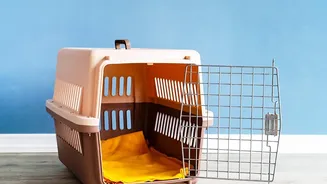
The simplest and most effective safety measure is often the most overlooked. Before you start mopping or using any floor treatment, securely place your pets in another room and close the door. This completely removes the risk of them walking through wet chemicals, inhaling concentrated fumes, or trying to 'help' by licking the floor or bucket. It's a non-negotiable step that prevents the most common exposure scenarios. This simple barrier ensures they aren't in the area during the most hazardous part of the cleaning process.
Beyond the Door: Ventilation and Drying Time
A closed door is only part of the solution. After you've finished cleaning, proper ventilation is key to dispersing harmful fumes. Open windows and use fans to circulate fresh air. This helps clear out the volatile organic compounds (VOCs) that many cleaners release, which can irritate your pet's respiratory system. Most importantly, do not let your pets back into the cleaned area until the floor is completely dry. Even a slightly damp surface can transfer chemical residues to their paws and fur, which they can ingest while grooming themselves. Waiting until the floor is dry to the touch significantly reduces this risk.
Choosing Pet-Safe Alternatives
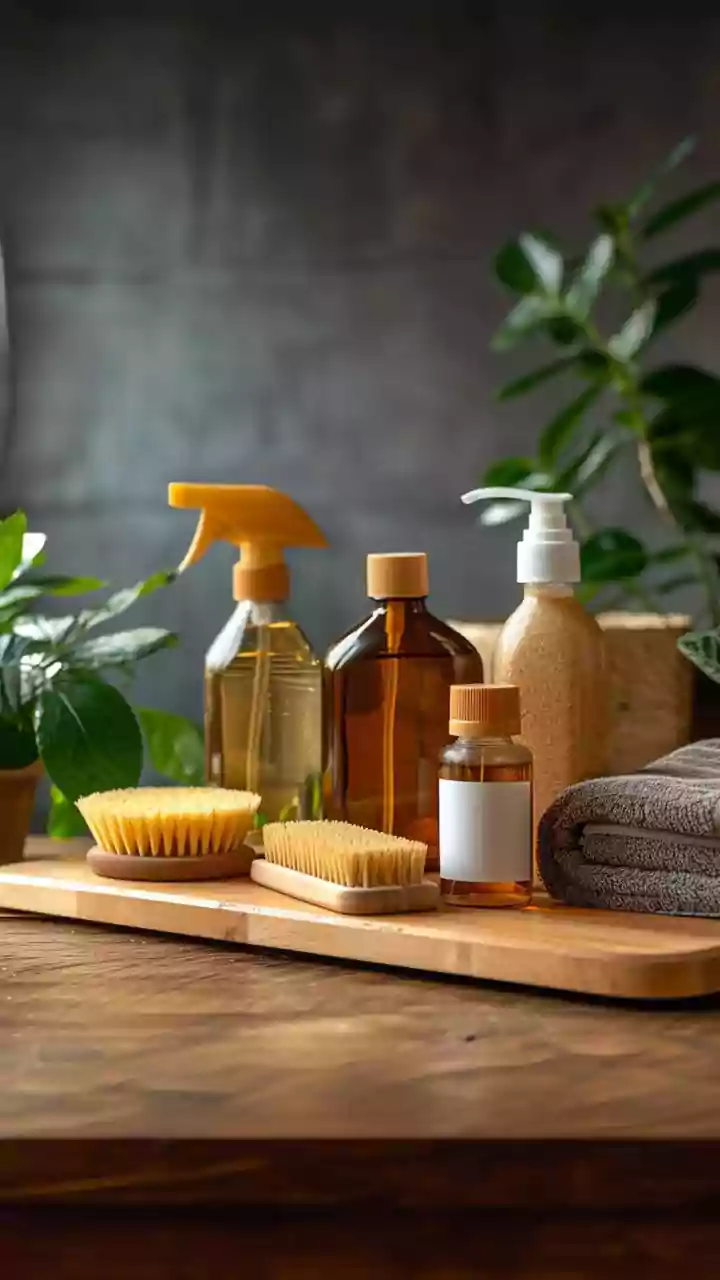
To further minimize risk, consider switching to floor cleaners specifically formulated to be safe for pets. Look for products that are free of ammonia, chlorine, phenols, and phthalates. Many brands now offer plant-based or biodegradable formulas that are effective without using harsh chemicals. For a DIY approach, a simple solution of white distilled vinegar and water can be effective for many sealed floor types. However, always test a small, inconspicuous area first, and be aware that some surfaces, like natural stone, can be damaged by acidic cleaners like vinegar. Another option is a steam mop, which cleans using just heat and water, eliminating the need for chemical solutions altogether.