





Entry Formalities: The Digital Shift
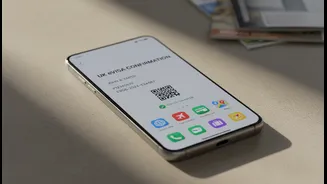
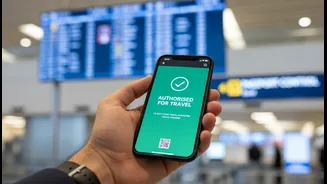
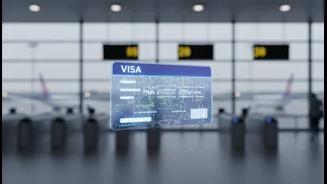
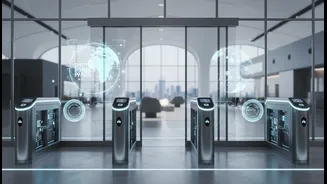
The biggest digital hurdle is often at the border. The UK has modernized its entry process, and what you need depends on your nationality. While many visa-exempt nationals now require an Electronic Travel Authorisation (ETA) before flying, this does not
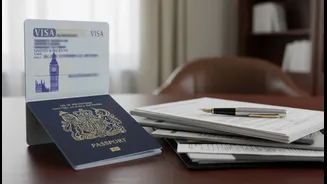
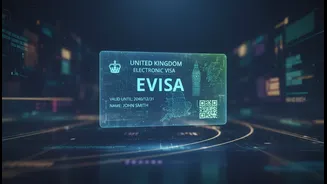
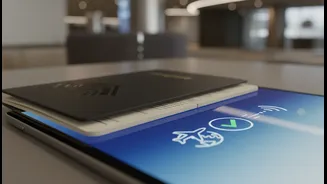
apply to Indian passport holders. Indian citizens must still apply for a standard UK visa as before. However, the process itself is becoming more digital. The UK is phasing out physical visa stickers in passports in favour of an online eVisa system. This means your permission to travel is linked digitally to your passport, which airlines will verify before you board. Always apply through the official UK government website and allow plenty of time for processing.
Connectivity: Roaming, Local SIMs, and eSIMs
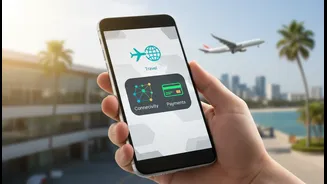
Staying connected is crucial for navigation, bookings, and staying in touch. Activating international roaming on your Indian SIM is convenient but can be expensive, with data charges adding up quickly. A more cost-effective solution is often a local UK SIM card, which you can purchase upon arrival. For about £10, you can get plans with generous data allowances. The most flexible and modern option, however, is an eSIM. An eSIM is a digital SIM that you can install on your compatible smartphone before you even leave India. Providers like Airalo, Holafly, and easySim offer a range of UK-specific data plans, from small 1GB bundles to unlimited data packages, often at competitive prices. You can activate it upon landing, ensuring you have internet access the moment you arrive without the hassle of finding a store.
Getting Around: Essential Transport Apps
Navigating the UK’s cities and countryside is made infinitely easier with the right apps. For comprehensive urban travel, especially in London, Citymapper is a must-have. It provides real-time, multi-modal journey planning for buses, tubes, trains, and even walking, comparing costs and times. For intercity train travel across Great Britain, Trainline is the go-to app for searching routes, comparing fares, and booking digital tickets from over 270 operators. You can store tickets directly in the app, which is a lifesaver when rushing to catch a connection. For a more official source on train times and platform information, the National Rail app is also a reliable companion.
Paying Your Way: Embracing the Cashless Society
The UK has rapidly moved towards a cashless society. In 2024, cash accounted for just 9% of all payments, and this trend continues. Contactless payments are the norm everywhere from coffee shops to public transport. The standard limit for a single tap-and-pay transaction with a physical card is £100. For tourists, this means relying on a good travel card with low foreign exchange fees is essential. Better still, set up a mobile wallet like Apple Pay or Google Pay before your trip. These are widely accepted and offer enhanced security through biometric authentication, often allowing you to make payments above the £100 contactless limit. While it's wise to carry a small amount of cash for emergencies, you'll find you can manage most of your trip digitally.
Power and Practicality: Don't Forget the Basics
All these digital tools are useless without a charged device. The UK uses Type G plugs, which are different from those in India, so a universal travel adapter is non-negotiable. Given how much you'll rely on your phone for navigation, payments, and photos, a portable power bank is also a wise investment. Before you leave, download offline maps on Google Maps for areas you'll be visiting. This can be a lifesaver in places with spotty mobile reception, like on the London Underground or in remote rural areas. Finally, download the apps for your airline and any hotel chains you're using. Having your boarding passes, booking confirmations, and any delay notifications in one easily accessible place streamlines the travel experience and keeps you informed.