







The Allure of Seamless Travel
No one enjoys fumbling for a boarding pass and ID at multiple checkpoints. The Digi Yatra initiative, now expanding across India's busiest airports, promises to eliminate this friction. By linking your face to your travel documents via the Digi Yatra app
and Aadhaar, the system turns your biometric data into a key that unlocks every gate from entry to boarding. The pitch is simple: trade a quick facial scan for a faster, smoother, and more modern airport experience. For many frequent flyers, the appeal is undeniable. As of early 2026, the system has been made mandatory for international transit passengers at major hubs like Delhi, Mumbai, Bengaluru, and Hyderabad, signalling a definitive shift in how Indian airports operate. The goal is to roll out this technology across nearly 30 airports by 2027, making face-based boarding the new standard.
Your Face Is Now Data
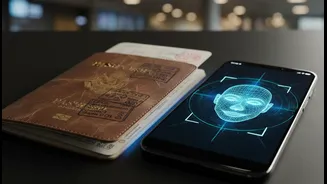
When you enrol in DigiYatra, you are doing more than just taking a selfie. You are creating a digital identity that links your unique facial geometry—your biometric signature—to your name, travel details, and your Aadhaar number. According to the official policy, this data is primarily stored on your own device, and airport systems are supposed to purge the information within hours of your flight's departure. However, the creation of this link is a significant event. Unlike a password, your face is a permanent, unchangeable part of your identity. Its conversion into a shareable, verifiable data point creates a new set of risks. Once your biometric data is digitized, it becomes vulnerable in ways your physical face is not. This process is the engine of the new convenience, but it is also where the real cost to privacy begins.
The Unanswered Questions
This is where the demand for clear answers becomes critical. While authorities claim robust security, the broader ecosystem of digital identity in India, particularly involving Aadhaar, has faced security lapses and data leaks in the past. What happens if the Digi Yatra system suffers a breach? A stolen password can be changed; a stolen face cannot. Passengers deserve to know exactly who has access to their data, for how long, and under what circumstances. There are also concerns about "function creep"—the possibility that a system designed for airport convenience could be repurposed for broader surveillance without public debate. The legal framework governing this powerful technology is still catching up, leaving passengers in a grey area where their most personal data is collected with assurances but without ironclad, legally enforceable protections.
Is 'Voluntary' a Real Choice?
Officially, Digi Yatra is a voluntary service for domestic travel. However, countless passenger accounts tell a different story. Reports have surfaced for years about travellers being pressured, misled, or automatically enrolled by airport staff without giving informed consent. When the standard queues for non-users are significantly slower or when staff are incentivized to boost enrolment numbers, the line between voluntary and coercive blurs. The system's recent mandating for international transit passengers at four major airports further complicates the notion of choice. True consent requires a clear understanding of what you're agreeing to and a genuine ability to say no without being penalized with inconvenience. For many, that doesn't feel like the reality on the ground.
The Path to Accountability
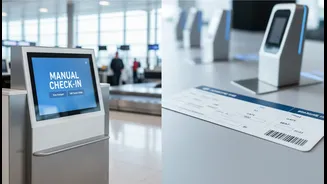
The convenience of facial recognition is here to stay, but its implementation cannot be a black box. Passengers are not just consumers of travel; they are citizens with a fundamental right to privacy. We need more than just promises of data deletion; we need independent, public audits to verify these claims. We need a strong, specific data protection law that governs biometric systems like Digi Yatra, with clear penalties for misuse and breaches. And crucially, we need to preserve the right to opt-out in a meaningful way. This means ensuring that the manual verification process remains just as efficient and dignified as the automated one. The burden should be on the system to prove its trustworthiness, not on the passenger to blindly accept it.