




The Rise of Mindful Journeys
The travel landscape in India is shifting. Gone are the days of frantic, checklist-driven holidays that leave you needing another vacation to recover. Today, an increasing number of people are embracing 'mindful travel'. This approach isn't about where
you go, but how you experience it. It prioritizes being present, seeking meaningful connections, and focusing on personal well-being over collecting passport stamps. This trend reflects a collective desire to slow down, disconnect from daily pressures, and find moments of genuine peace. Instead of crowded tourist traps, mindful travelers seek out immersive experiences that soothe the mind and soul, and nature plays a central role in this quest.
What 'Eco-Friendly' Really Means
The term 'eco-friendly' has become a buzzword, but in the context of the Western Ghats, it signifies a deep commitment to sustainability that goes far beyond catchy marketing. True eco-resorts and homestays here are designed to exist in harmony with their surroundings. This often involves using sustainable building materials like rammed earth or local wood, relying on solar power, and practicing meticulous waste management. More importantly, it’s a philosophy that extends to the community. These establishments prioritize hiring local staff, sourcing food from their own organic farms or nearby villages, and contributing to the preservation of local culture and heritage. By choosing such a stay, travelers are not just minimizing their environmental footprint; they are actively participating in a model of tourism that supports and sustains the local ecosystem and its people.
The Western Ghats: A Sanctuary of Biodiversity
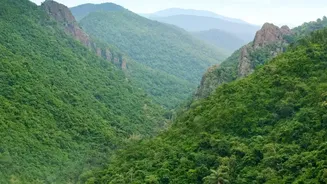
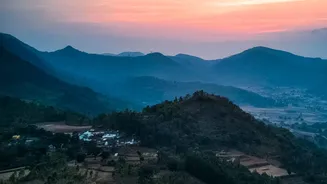
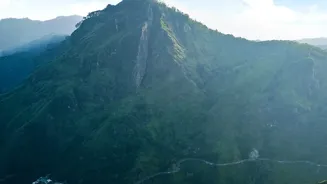
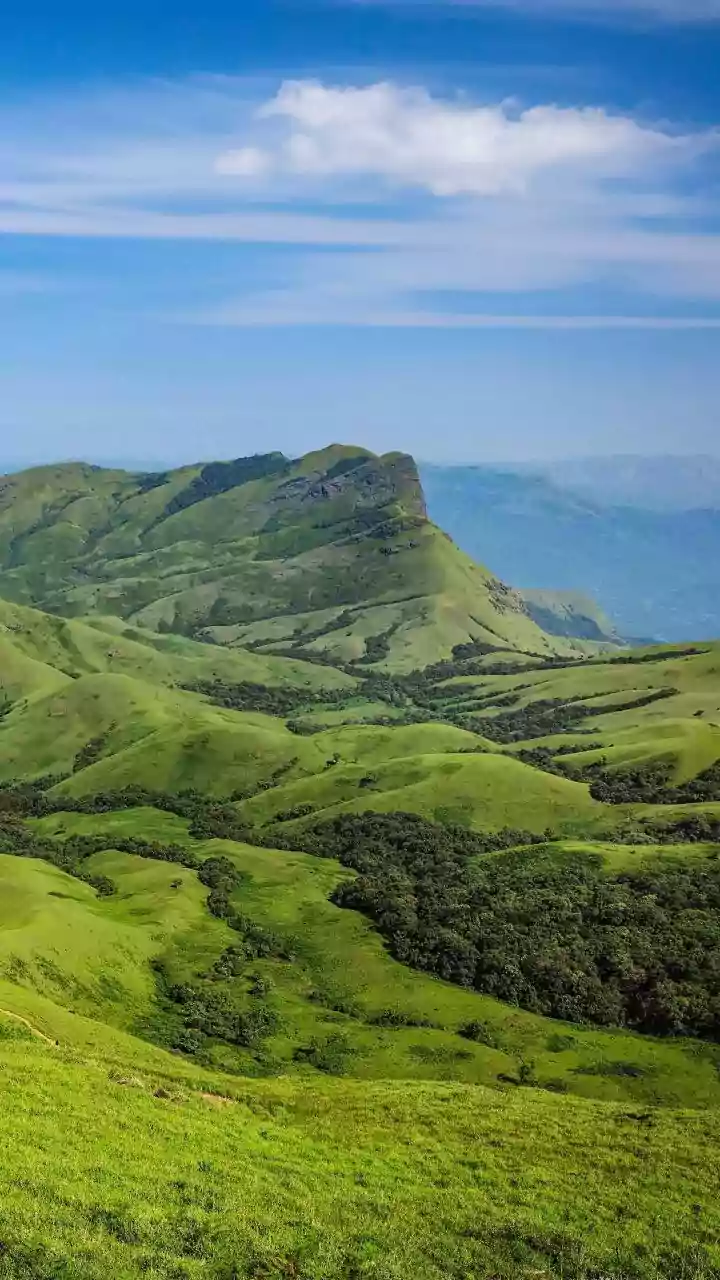
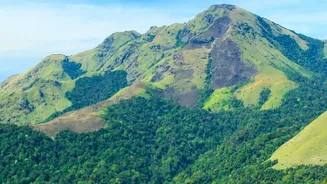
Stretching over 1,600 kilometers along India's western coast, the Western Ghats are more than just a mountain range; they are a UNESCO World Heritage Site and one of the world's eight 'hottest hotspots' of biological diversity. Older than the Himalayas, these mountains are a treasure trove of unique flora and fauna, including thousands of plant species and hundreds of endemic animal species found nowhere else on Earth. The region's lush evergreen forests, mist-clad peaks, and sprawling grasslands influence India's monsoon weather patterns and are the source of major rivers. This incredible natural wealth creates a powerful backdrop for relaxation and introspection, offering a tangible sense of escape into a world that feels ancient and untouched.
Corridors of Calm and Connection
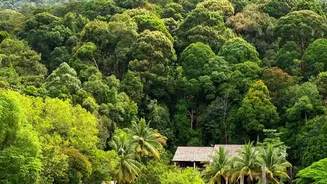
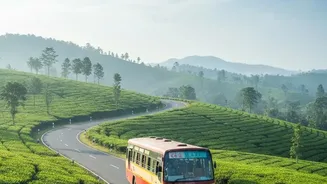
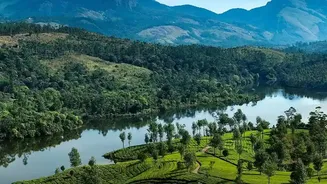
The 'scenic corridors' of the Ghats refer to popular regions like Coorg, Wayanad, Munnar, and Chikmagalur, each offering a unique flavour of this tranquil experience. In Coorg, the 'Scotland of India', you can lose yourself in aromatic coffee plantations and traditional homestays. Wayanad in Kerala offers dense rainforests and opportunities to stay in rustic treehouses or earth-built cottages. Munnar is famous for its rolling tea gardens that create a landscape of unending green, perfect for long walks and quiet contemplation. These are not just places on a map but destinations that encourage a slower pace. The activities themselves are a form of mindfulness: trekking through spice plantations, birdwatching, engaging in farm activities, or simply sitting on a veranda listening to the sounds of the forest.
A Deeper Form of Relaxation
Ultimately, the preference for these eco-friendly escapes stems from a desire for a different kind of rest—one that restores rather than just distracts. A weekend in the Western Ghats is an opportunity to reconnect with the natural world on a profound level. The crisp mountain air, the scent of damp earth and spices, and the vibrant symphony of birds and insects all serve as an antidote to urban burnout. It allows travelers to find a sense of balance and clarity that a typical city break cannot provide. This kind of travel is an investment in mental and emotional well-being, offering a journey that is as enriching for the inner landscape as it is for the eyes.