








Quantity vs. Quality: Defining the Debate
For years, the conversation around protein has been dominated by quantity. The recommended dietary allowance (RDA) for an average Indian adult is about 0.8 grams of protein per kilogram of body weight. For a 65 kg person, that's roughly 52 grams daily.
Active individuals or those looking to build muscle may need more, often between 1.2 to 2.0 grams per kg. This number-focused approach is simple to track. Protein quality, however, is a more complex concept. It refers to a protein's ability to provide the necessary building blocks for our bodies, which depends on two main factors: its amino acid profile and its digestibility.
The Building Blocks: Complete vs. Incomplete
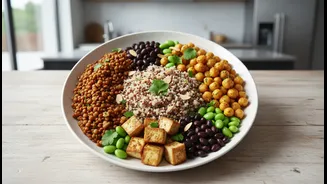
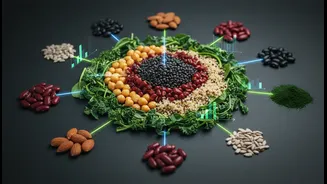
Proteins are made of amino acids. Of the 20 used by the human body, nine are considered 'essential' because we cannot produce them ourselves and must get them from food. A 'complete' protein contains all nine of these essential amino acids in sufficient amounts. Animal-based foods like meat, fish, eggs, and dairy are generally considered complete proteins. Most plant-based proteins, such as beans, lentils, and grains, are often termed 'incomplete' because they might be low in one or more essential amino acids. However, this doesn't mean they are inferior. By eating a variety of plant sources throughout the day—like dal with rice or beans on toast—you can easily get a complete amino acid profile. Some plant foods, like soy, quinoa, and buckwheat, are notable exceptions, as they are considered complete proteins on their own.
Digestibility and Leucine's Starring Role
Beyond the amino acid profile, quality also hinges on digestibility—how efficiently your body can break down the protein and absorb the amino acids. Modern science uses a scoring system called the Digestible Indispensable Amino Acid Score (DIAAS) to rate protein quality, considering both amino acid content and digestibility. Animal proteins often score higher on the DIAAS scale than individual plant proteins. A crucial factor in protein quality, especially for muscle growth and repair, is the amount of an amino acid called leucine. Leucine acts as a powerful trigger for muscle protein synthesis. Whey protein, for example, is rich in leucine and digested quickly, making it a popular choice for post-exercise recovery.
What the Latest Research Suggests
The latest science isn't picking a winner between quantity and quality; instead, it highlights that both are interconnected. You can't achieve your goals with high-quality protein if the quantity is too low, and simply eating a large amount of low-quality protein may not be efficient. Research shows that to maximize muscle protein synthesis after a meal, a target of 20-40 grams of high-quality protein is effective. Studies also indicate that the even distribution of protein intake across meals throughout the day is more effective for muscle maintenance than consuming the bulk of it in one large meal. For those on plant-based diets, research confirms that muscle-building goals are achievable, but it may require consuming slightly larger quantities of protein or being more deliberate about combining sources to ensure an adequate supply of all essential amino acids, particularly leucine.
Making It Work for the Indian Diet
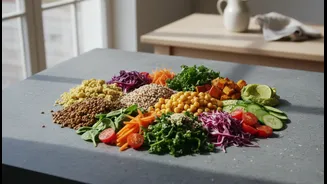
For many in India, where diets are often rich in plant-based staples, this debate is highly relevant. The average protein intake in India is often below the recommended amount. Focusing on quality can help bridge this gap efficiently. Traditional meal combinations like dal and rice or roti and a legume-based curry are excellent examples of protein complementarity in action. To boost both quantity and quality, incorporating a variety of sources is key. This includes dals, legumes, paneer, tofu, soya chunks, Greek yogurt (dahi), eggs, poultry, and fish. Even small additions, like a handful of seeds or nuts, can improve the overall amino acid profile of a meal. The goal isn't to abandon traditional eating patterns but to enhance them with a conscious focus on protein diversity.
So, What's the Verdict?
Ultimately, the debate isn't about choosing one over the other. The verdict from current research is that you need sufficient quantity of high-quality protein. Quality determines how efficiently your body can use the protein you consume. For most people with general health goals, the focus should be on building a varied diet with protein-rich foods at every meal. Instead of getting bogged down by numbers and scores, aim for a balanced plate that includes a mix of animal and/or diverse plant protein sources. This ensures you're not just hitting a gram target but also providing your body with the complete set of tools it needs to thrive.