




The Current Reality of Roadside Checks
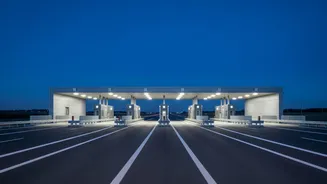
For countless commuters, a late-night police checkpoint, or 'naka', materialises suddenly out of the darkness. Often, it's a haphazard arrangement of barricades, sometimes left unattended, with officers working in dimly lit conditions. These stops, intended
to enhance public safety, frequently become chokepoints of frustration and potential danger. The focus is almost entirely on the act of stopping vehicles, with little thought given to the supporting infrastructure. This lack of planning extends beyond mere inconvenience; it creates an environment where verifying documents is difficult, identifying potential threats is compromised, and the risk of accidents for both officers and the public is significantly elevated. Recent reports from various cities show that unattended barricades at night are a common traffic hazard, sometimes leading to collisions.
Lighting Is a Non-Negotiable Safety Protocol
Poor illumination is not just an oversight; it is a critical safety failure. Police officials themselves have acknowledged that dysfunctional or non-existent streetlights have a direct bearing on policing and safety, often correlating with a spike in criminal activity like robberies. Recognizing this, some state police departments have issued new guidelines mandating that night operations should only be conducted in well-lit locations. Furthermore, officers are being instructed to wear reflective jackets and use LED batons to enhance their visibility. When a checkpoint is shrouded in darkness, it not only makes it hard for drivers to see the barricades in time but also puts officers at grave risk from passing traffic. It fundamentally undermines the goal of creating a secure, controlled environment.
The Overlooked Issue of Human Dignity
The absence of basic facilities, particularly washrooms, is an issue of dignity for both the public and the police personnel on duty. For citizens being stopped, especially women, the elderly, or those travelling with children, the inability to access a clean and safe restroom during a prolonged stop can be deeply distressing. But the impact on the officers themselves is even more profound. Police personnel often work gruellingly long shifts, sometimes for 14 hours a day, in these temporary outposts. Reports have highlighted that a significant number of police stations lack basic amenities like clean toilets. It is, therefore, no surprise that these facilities are completely absent at roadside checkpoints. Expecting officers to remain alert, professional, and effective while being denied basic human necessities is not just unrealistic; it's inhumane.
How Poor Planning Undermines Effective Policing
A poorly equipped checkpoint ultimately compromises its own mission. When officers are preoccupied with their own safety in a dark, hazardous environment, or are physically uncomfortable due to a lack of facilities, their focus on the primary task of screening and enforcement wanes. Public perception also plays a role. Checkpoints that appear chaotic and unprofessional erode public trust and are often viewed more as a source of harassment than security. In contrast, a well-organized checkpoint — with clear signage placed well in advance, bright lighting, a safe pull-over area, and professional conduct — signals competence and authority. This not only improves the effectiveness of the checks but also fosters greater public cooperation and respect for the law enforcement process.
A Blueprint for Professional Checkpoints
The solution is not to eliminate checkpoints, but to professionalize them. State police forces can and should create a standard operating procedure for all temporary roadside stops. This blueprint must mandate the use of portable lighting towers to ensure the area is brightly illuminated. It should require reflective cones and signage to be placed at a safe distance—at least 100-150 meters ahead—to give drivers ample warning. Furthermore, deploying mobile washroom units, similar to those used at public events, should be considered for any checkpoint planned for an extended duration. Investing in this infrastructure is not an extravagant expense; it is a fundamental investment in the health, safety, and morale of the police force and the security of the public they serve.