
Relying Solely on the Microwave
The convenience of a microwave is undeniable, but it comes with a major drawback: uneven heating. Microwaves often leave 'cold spots' in your food where harmful bacteria can survive and multiply. This risk is amplified during the damp rainy season. Simply
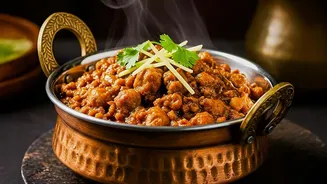
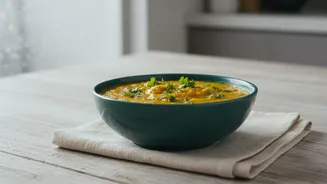
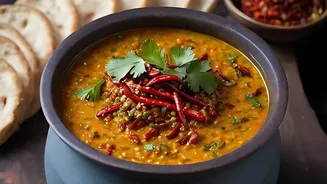
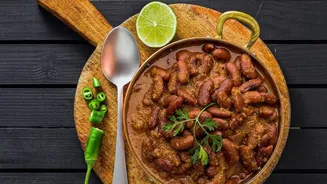
feeling that the dish is warm on the outside is not enough. To ensure safety, always stir your food midway through the heating process. For things like curries and dals, consider finishing them on the stove for a minute or two to guarantee they are heated evenly and thoroughly.
Reheating Food More Than Once
It can be tempting to reheat a large portion of leftovers and save what you don't eat for later. However, every time you cool and reheat food, you are giving bacteria another chance to grow. This repeated cycle not only degrades the nutritional value and texture of your meal, making it less enjoyable, but it also significantly increases the risk of food poisoning. The safest practice is to only portion out and reheat what you plan to eat in one sitting. Once it has been reheated, it should be consumed or discarded.
Not Getting It Hot Enough
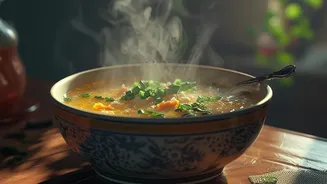
A lukewarm meal is not just unappetizing; it's a health hazard. For reheating to be effective, the food must reach a temperature high enough to kill off any bacteria that may have developed during storage. A good rule of thumb is to ensure the food is steaming hot all the way through, not just on the edges. If you're using a stove, bring liquids like soups and curries to a rolling boil for at least a minute. For solid foods, make sure the very centre is piping hot. This is a crucial step in preventing foodborne illnesses.
Leaving Food on the Counter for Too Long
One of the most common mistakes is leaving cooked food out on the kitchen counter to cool down for hours before refrigerating. The temperature range in which bacteria grow most rapidly is often referred to as the 'danger zone'. During the humid monsoon, this process happens even faster. To stay safe, you should cool and refrigerate your leftovers as quickly as possible, ideally within two hours of cooking. Similarly, don't leave refrigerated food out for extended periods before you decide to reheat it. Take it out only when you are ready to heat and eat.
Forgetting About High-Risk Foods
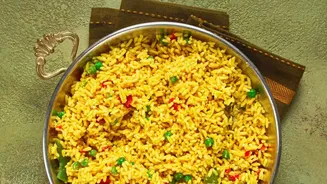
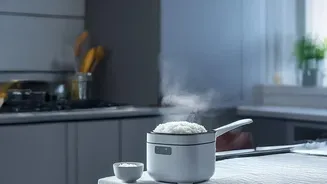
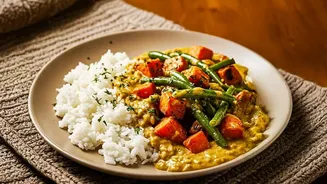
While all leftovers require care, some foods are inherently riskier to reheat than others. Rice is a primary example. Uncooked rice can contain spores of bacteria that can survive the initial cooking process. If cooked rice is left standing at room temperature, these spores can germinate into bacteria that produce toxins. Reheating won't destroy these toxins. The best way to handle leftover rice is to cool it quickly after cooking and refrigerate it promptly. When you do reheat it, ensure it is piping hot. Similarly, chicken and other meats must be reheated until they are thoroughly hot to the core to eliminate any potential pathogens.
Crowding the Pan or Microwave Dish
Whether you are using a stovetop pan or a microwave-safe dish, overcrowding is a common error that prevents even cooking. When food is packed too tightly, steam and heat cannot circulate properly. This results in some parts of the meal becoming extremely hot while others remain dangerously cool, creating the same problem as uneven microwave heating. To combat this, reheat food in smaller batches or use a larger pan or dish that allows for a single, even layer. This simple adjustment ensures every bite of your meal is heated safely and consistently.