



Walking Above the Clouds
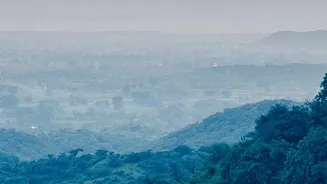
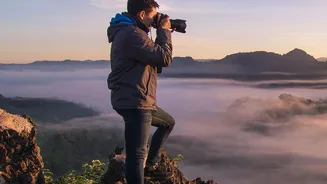
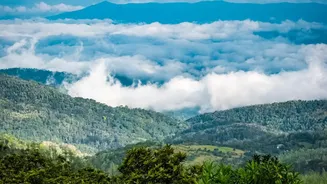
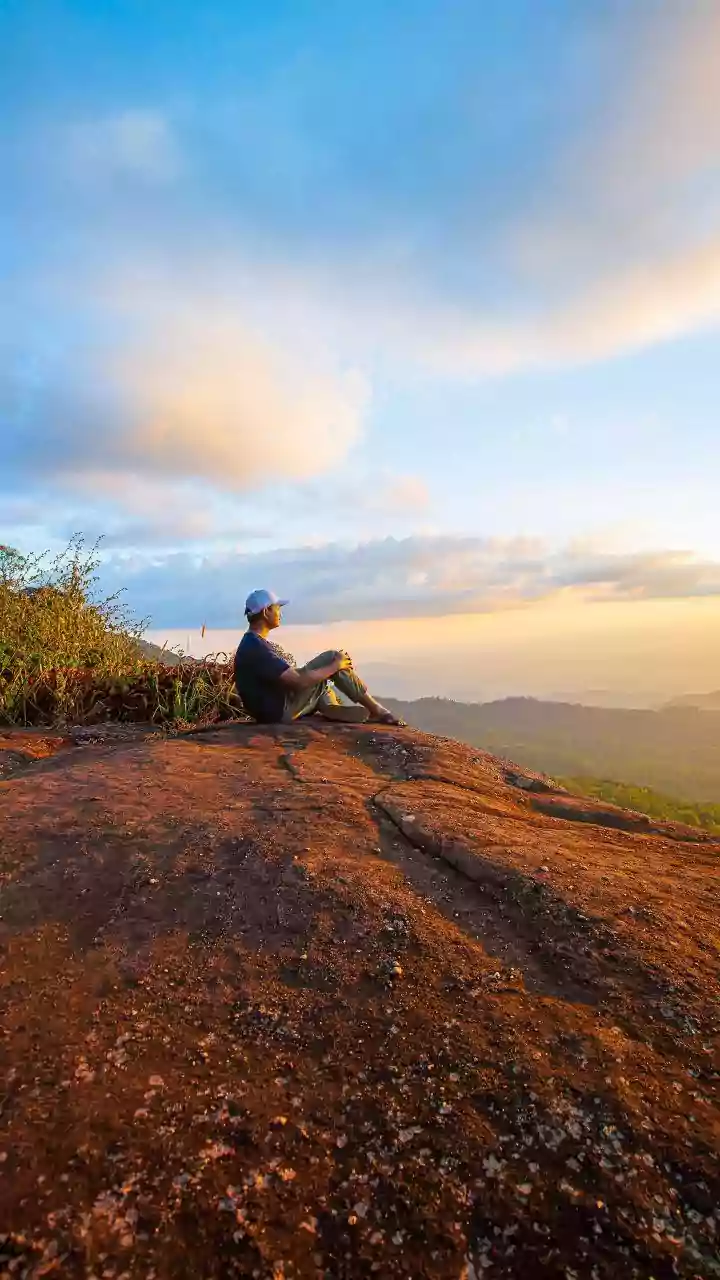
The main allure of Skandagiri, also known as Kalavara Durga, is the mesmerising 'sea of clouds'. This natural phenomenon typically occurs in the winter months, from November to February. As the sun begins to rise, a thick blanket of clouds settles in the valleys
below, creating the breathtaking illusion that you are standing on an island in the sky. Trekkers who start their journey in the pre-dawn darkness are rewarded with this spectacular view, a moment of tranquility and natural wonder that makes the entire effort worthwhile. The combination of the chilly air, the quiet of the morning, and the stunning visual of the sun lighting up the cloud bed is what cements Skandagiri's status as a bucket-list destination.
The Journey to the Summit
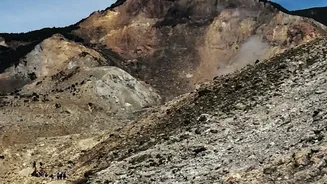
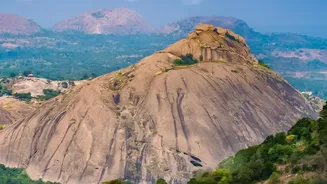
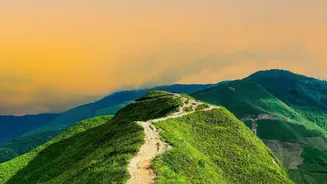
The trek itself is an adventure. Spanning roughly 8 kilometres for a round trip, the trail is considered to be of moderate difficulty. While suitable for fit beginners, it's not a simple walk in the park. The path begins at the Papagni Temple near Kalavara village and winds its way up the 1,450-metre-high hill. You'll navigate rocky patches, steep inclines, and dense shrubbery, often guided only by the light of a torch if you're doing the popular night trek. Along the way, you'll encounter the ruins of an 18th-century fort once used by Tipu Sultan, adding a layer of history to the natural beauty. The entire trek, including ascent and descent, typically takes about four to five hours.
Planning Your Skandagiri Adventure
A trip to Skandagiri requires some planning, as trekking is regulated by the Karnataka Forest Department to preserve the area's ecosystem. It is mandatory to book your trekking slot in advance through the official Karnataka Eco-Tourism website, as the number of visitors allowed per day is limited. The most popular option is the night trek, which usually starts around 4 AM, allowing you to reach the summit in time for the sunrise. However, some operators note that gate timings can be closer to 6 AM, resulting in a beautiful morning trek rather than a true sunrise one. The best season to go is during the winter (November to February) for clear skies and the highest chance of seeing the clouds. Monsoon season should be avoided as the rocky trails become slippery and dangerous.
What to Carry and Expect
Preparation is key for a safe and enjoyable trek. Sturdy trekking shoes with good grip are non-negotiable due to the rocky and uneven terrain. Since the most popular treks start in darkness, a headlamp or a powerful torch is essential. It is also wise to dress in layers, as you'll feel cold while waiting for the sunrise at the peak but will warm up quickly during the climb and descent. Carry at least two litres of water per person and some energy-boosting snacks, as there are no food or water sources available on the trail. A basic first-aid kit is always a good idea. While the trek is moderately challenging, those with a reasonable level of fitness will find it a rewarding experience.