







The Aftermath of a Good Workout
To understand recovery, we first need to appreciate what happens when we exercise. Intense physical activity, especially strength training, creates microscopic tears in our muscle fibers. This isn't a bad thing; it’s the necessary stimulus for repair
and growth. This exercise-induced muscle damage is what leads to delayed onset muscle soreness (DOMS), that familiar ache you feel a day or two after a workout. The goal of any recovery strategy is to help the body repair this damage efficiently, reduce inflammation, and clear out metabolic waste products so you can get back to your training feeling strong and ready.
Turning Up the Heat
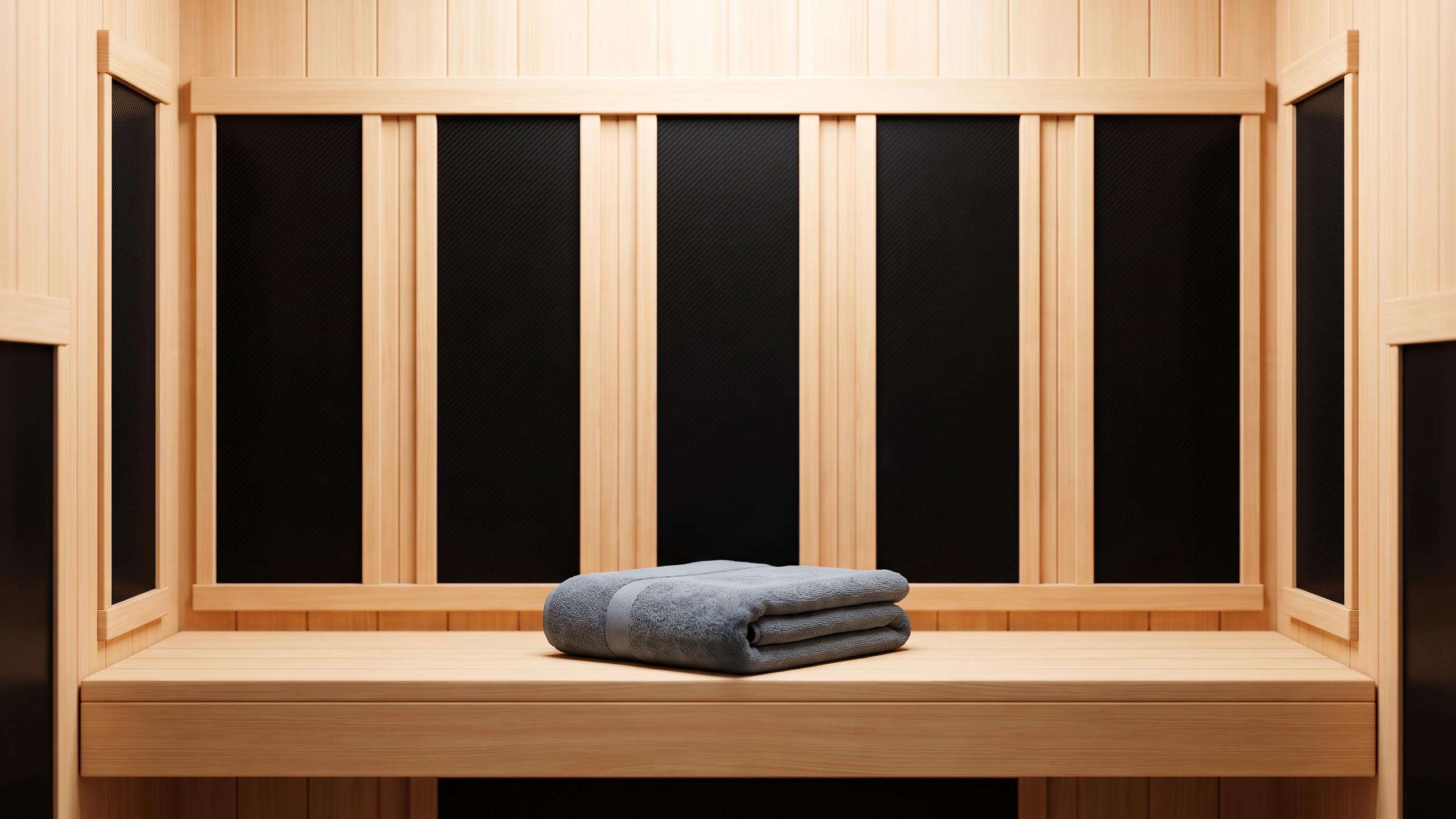
This is where passive heat exposure comes in. A sauna session is considered “passive” because you are heating your body at rest, without performing any exercise. When you sit in a hot environment, whether it's a traditional Finnish sauna or a modern infrared one, your core body temperature begins to rise. This controlled, temporary increase in temperature is a form of stress—a good kind of stress known as hormesis. Your body, being the incredibly adaptive machine that it is, initiates a series of powerful physiological responses to protect itself and manage this thermal stress.
Meet Your Body’s Cellular Repair Crew
The star players in this heat-induced response are a group of molecules called Heat Shock Proteins, or HSPs. As their name suggests, they are produced by our cells in response to stressors like heat. Think of HSPs as your body's dedicated, on-call repair crew. Their primary job is to act as “molecular chaperones.” They identify proteins that have been damaged or misfolded by stress—either from heat or from the physical demands of exercise—and help refold them back into their correct, functional shape. They also help clear out proteins that are damaged beyond repair, preventing them from clumping together and causing cellular problems.
Connecting Heat, Proteins, and Muscle Repair
When you use a sauna after a workout, you're essentially creating the perfect environment for HSPs to do their best work. The thermal stress from the sauna significantly increases the production of these proteins, particularly a key player known as HSP70. With more of this repair crew on duty, your body becomes more efficient at fixing the exercise-induced microtrauma in your muscle fibers. These proteins go to work on the damaged muscle cells, stabilizing their structures, helping to repair them, and reducing harmful inflammation. This cellular support system helps you recover faster, reduces muscle soreness, and improves your body's overall resilience to future training stress.
More Than Just Proteins
While HSPs are a major part of the story, saunas aid recovery in other ways, too. The heat causes vasodilation, which is the widening of your blood vessels. This boosts circulation, allowing more oxygen-rich blood and nutrients to flow to your tired muscles while more efficiently flushing out metabolic byproducts. Studies have also shown that regular sauna use can help reduce markers of systemic inflammation and trigger the release of growth hormone, which further aids in tissue repair. The combined effect is a powerful, multi-pronged approach to recovery that addresses muscle damage, inflammation, and circulation all at once.