



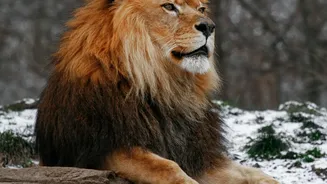
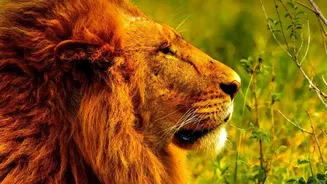
Tucked away in Gujarat’s Saurashtra region, a rugged landscape is making history. Barda Wildlife Sanctuary, a mosaic of hills, forests, and grasslands, is officially the second home for the majestic Asiatic lion. This guide explores its vital habitats.
A Kingdom Reclaimed
Just 15 km from the coastal city of Porbandar, the Barda Wildlife Sanctuary spans over 192 square kilometres of hilly terrain. Historically a private hunting ground for the princely states of Porbandar and Jamnagar, it was declared a sanctuary in 1979 to protect its incredible floral diversity. For decades, it was prepared as a potential second home for Asiatic lions to ease the burden on Gir National Park. After a male lion naturally migrated to the area in 2023, followed by the introduction of several females, Barda is once again a lion kingdom after a 144-year absence.
The Dry Deciduous Forests
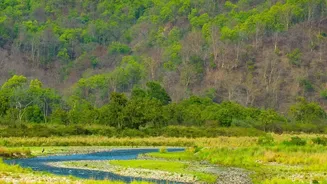
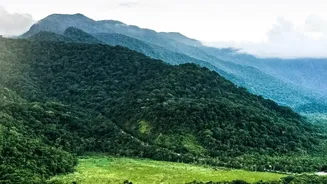
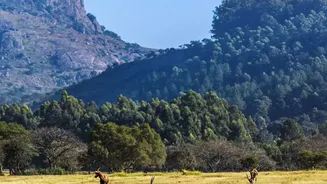
Barda's terrain is dominated by southern dry mixed deciduous and northern tropical thorn forests. These are not lush, evergreen jungles but resilient woodlands adapted to a semi-arid climate. The landscape is a mix of dense forest patches, open forest, and dry scrub. The forest is rich with trees like Teak, Babul, Jamun, and Rayan, alongside bamboo groves. This habitat provides crucial cover and hunting ground for predators. The hilly and undulating topography, with its rocky outcrops, creates a varied environment perfect for leopards, hyenas, and now, the Asiatic lion.
The Vital Grasslands
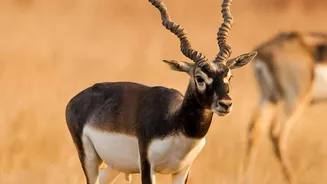
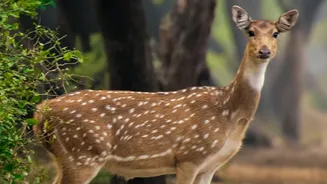
Interspersed with the forested hills are expansive grasslands. These areas, locally known as 'vidis', are critical for the sanctuary's herbivores. This is where you are likely to spot herds of Nilgai (blue bull) and wild boar grazing, which form a significant part of the lions' diet. These grasslands are also home to ethnic pastoral communities like the Maldharis, who have coexisted with the wildlife for centuries. Efforts are underway to strengthen the prey base by reintroducing species like Chital (spotted deer) and Sambar, ensuring the ecosystem can support its new apex predators.
Wildlife Beyond the Lions
While the return of the lion is the headline story, Barda is teeming with other wildlife. It is an excellent place to spot Indian leopards, striped hyenas, jackals, and wild boars. The sanctuary boasts an incredible floral diversity with over 650 plant species recorded, many of which have medicinal properties. For birdwatchers, Barda is a rewarding destination, with rare species like the crested hawk-eagle and spotted eagle found here, alongside numerous other resident and migratory birds. The two rivers, Bileshvary and Joghri, and the Khambala and Fodara dams, attract crocodiles and a variety of birdlife.
Planning Your Visit
The best time to visit Barda Wildlife Sanctuary is from October to March, when the weather is pleasant and wildlife sightings are more frequent. The sanctuary is easily accessible from Porbandar, which has an airport, railway station, and robust road connectivity. It is highly recommended to book a guided jeep safari in advance, as the core area requires a forest department vehicle and guide. Safaris are most productive in the early morning. Remember to wear muted-coloured clothing, carry your own water and snacks, as there are no facilities inside the sanctuary, and follow your guide's instructions to ensure a safe and respectful experience.