





Beyond the Bin: Defining the Habit
The 'green habit' our cities desperately need is simple: waste segregation at source, leading to community composting. It's the practice of separating our daily waste into wet (kitchen scraps, fruit peels, leftover food) and dry (plastic, paper, glass,
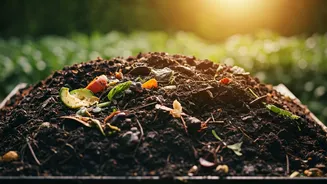
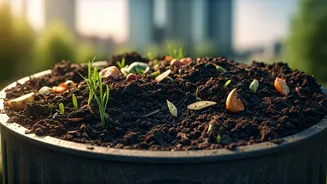
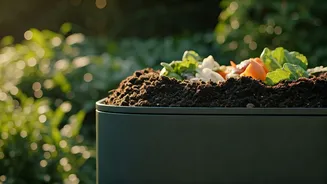
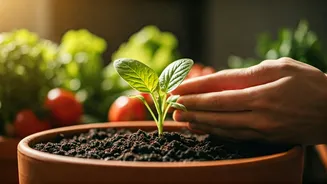
metal). While dry waste can be routed to recyclers, the wet waste—often over 50% of a household's garbage—holds the key. Instead of being sent to a landfill to rot and release harmful methane gas, this organic matter can be transformed into nutrient-rich compost right within our neighbourhoods. It’s a shift from a linear 'use and throw' model to a circular one, where waste becomes a valuable resource.
Why This Habit Is a Game-Changer
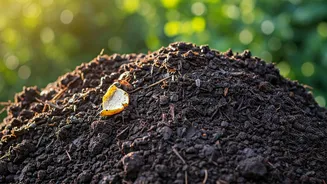
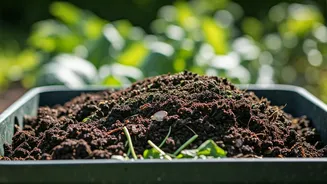
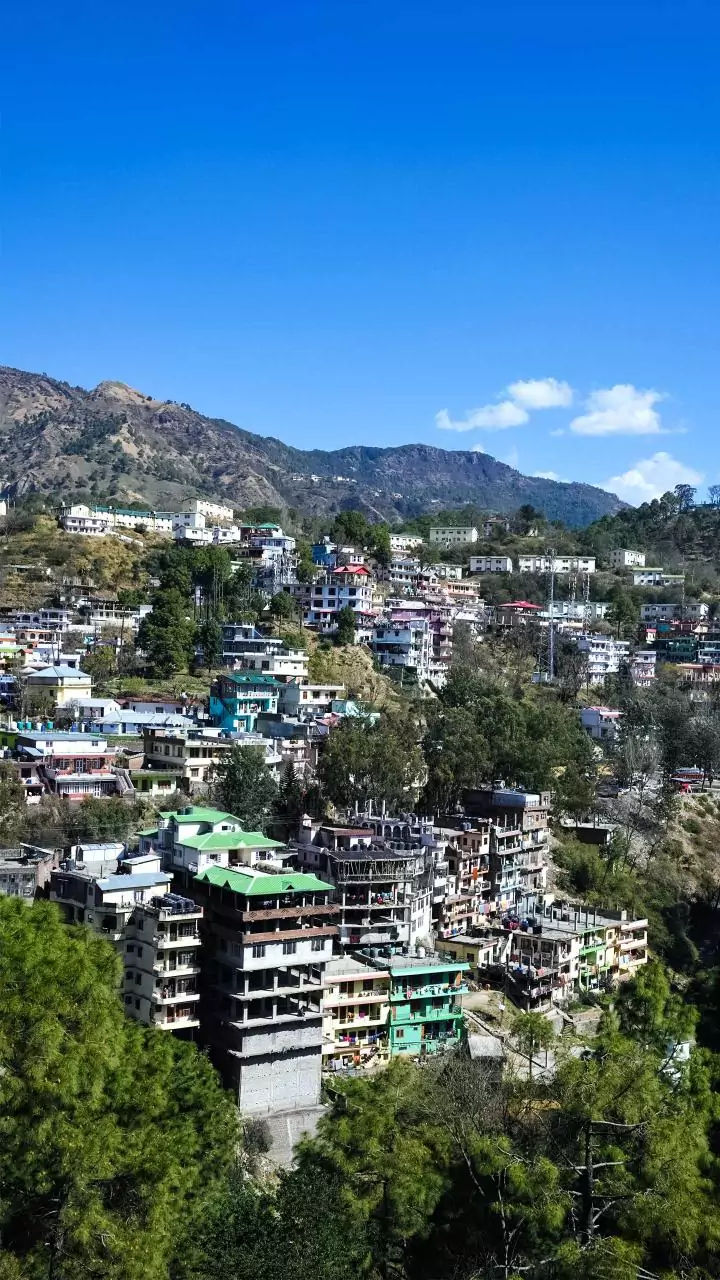
The impact of this one change is massive. India's cities generate over 1,50,000 tonnes of municipal solid waste per day. A significant portion of this ends up in overflowing landfills, which are not just eyesores but also major sources of soil and water contamination. When organic waste decomposes in an oxygen-starved landfill, it produces methane, a greenhouse gas over 25 times more potent than carbon dioxide. Community composting intercepts this waste. By aerobically breaking down organic material, it avoids methane production entirely. The end product, compost, is 'black gold' for soil. It revitalizes depleted urban soil, improves water retention (reducing the need for frequent watering of parks and gardens), and decreases the reliance on chemical fertilizers.
Lessons from India’s Cleanest Cities
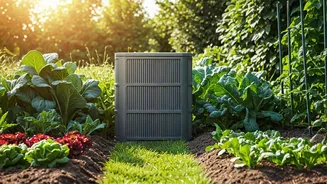
This isn't just a theoretical idea; it's a proven success story in pockets across India. Indore, consistently ranked as India's cleanest city, has mastered this at scale. The city implemented a robust system of 100% door-to-door segregated waste collection, processing its wet waste in decentralised composting units and larger bio-CNG plants. On a smaller scale, thousands of Resident Welfare Associations (RWAs) in cities like Bengaluru, Pune, and Gurugram have taken matters into their own hands. They have set up simple composting pits or bins within their apartment complexes, managing their own organic waste and using the resulting compost for their community gardens. These examples prove that with citizen participation and municipal support, the habit can become a city-wide culture.
The Social and Economic Upside
The benefits extend beyond the environment. The process of community composting fosters a sense of collective responsibility and civic pride. It brings neighbours together for a common cause, strengthening social bonds. Economically, it makes perfect sense. Municipalities spend crores on transporting waste to distant landfills. Decentralised composting drastically reduces these transportation costs and eases the pressure on land. It also creates a local green economy. There is a growing demand for organic compost from urban gardeners, nurseries, and organic farmers. This creates opportunities for small-scale enterprises to manage composting units and sell the final product, providing local employment.
How to Start the Habit Today
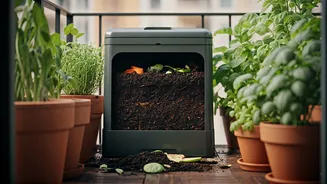
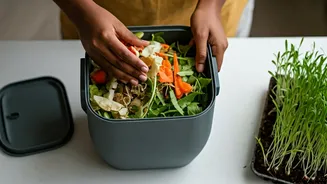
Adopting this habit can start small. Begin at home with two bins. Educate your family on what goes into the wet bin versus the dry one. The next step is to initiate a conversation in your building or neighbourhood. Form a small group of interested residents and approach your RWA. Research simple composting methods like aerobic pits, tumbler composters, or vermicomposting. Many a-non-profit organisations and environmental groups offer workshops and guidance. The key is to start, learn, and adapt. A common hurdle is the misconception that compost smells bad. When done correctly with a proper balance of 'green' (wet waste) and 'brown' (dry leaves, sawdust) materials, composting is an odour-free process.