




The Problem with the 'Bigger is Better' Hamper
We've all seen them: enormous cellophane-wrapped baskets overflowing with generic biscuits, imported chocolates, and assorted items that feel more like inventory than a personal gift. While impressive in size, these mega-hampers often miss the mark. The
contents can be impersonal, and many items go unused, contributing to waste. A recent survey shows a significant shift in consumer preference, with a majority of urban households now favouring sustainable and thoughtful gifts over sheer volume. This trend highlights a key psychological insight: recipients value gifts that show the giver was paying attention to them specifically, not just fulfilling a festive obligation. The pressure to buy large, expensive hampers creates a cycle of wasteful spending and impersonal connections, something many are now keen to break.
The Power of a Personal Touch
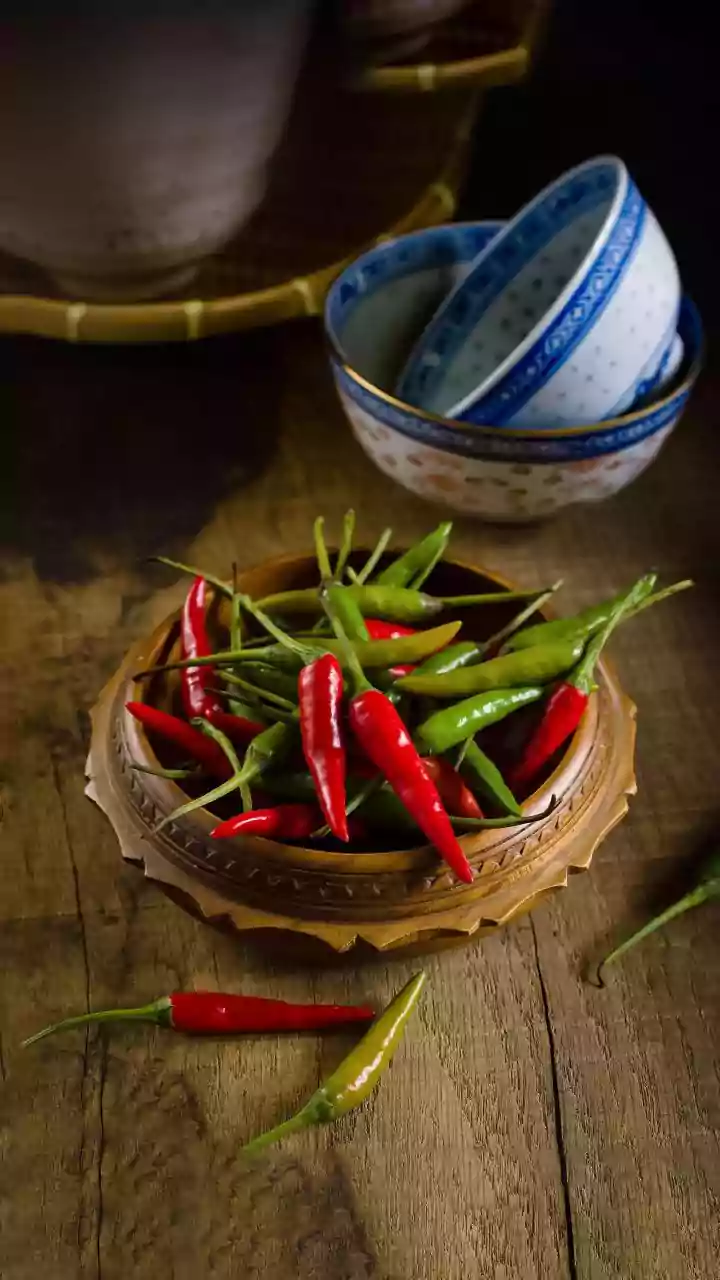
A smaller, curated hamper tells a story. It says, 'I know you, I was thinking of you, and I chose these items specifically for you'. This level of personalization creates a much stronger emotional impact than a generic, high-cost alternative. Studies in consumer psychology confirm that the perceived thoughtfulness of a gift is far more important to the recipient than its monetary value. When you give someone a hamper built around their hobbies—like artisanal coffee beans for a coffee lover or gourmet spices for a home chef—the gift transforms from a simple object into a meaningful experience. It shows you've invested time and thought, which is a currency that resonates more deeply than money. This approach not only strengthens relationships but also ensures the gift will be genuinely used and appreciated.
How to Build a Thoughtful Small Hamper
Creating a personal hamper doesn't require a huge budget, just a bit of planning. The key is to build it around a central theme that reflects the recipient's personality or interests. Start by thinking about who you're giving it to. What do they love? Is it reading, gardening, cooking, or wellness? Once you have a theme, select three to five quality items that fit. The focus should be on curation, not quantity. For instance, instead of a dozen generic snacks, choose a few locally made treats. Instead of a cheap decorative object, include a small, handcrafted item from a local artisan. This not only makes the gift more unique but also supports small businesses. The goal is to create a cohesive collection that feels special and intentional.
Ideas for Meaningful Mini-Hampers
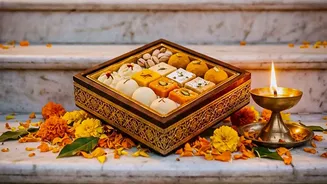
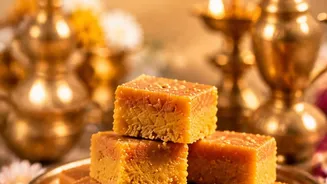
To get you started, here are a few themed ideas that can be adapted for any occasion: The Chai Lover’s Break: Include a box of premium loose-leaf tea from a local brand, a small jar of organic honey or jaggery, a handcrafted ceramic mug, and some artisanal rusks or biscuits. The Green Thumb Kit: A beautiful terracotta pot, a packet of seeds for herbs like tulsi or mint, a small gardening tool, and a plantable, seed-paper notebook. The Local Delights Box: A collection of regional specialities like unique pickles, local sweets (mithai), spice blends, or sun-dried snacks from a trusted local vendor. This celebrates local flavours and traditions. The Wellness Retreat: A calming soy wax candle, a small bottle of essential oil, a packet of herbal infusion tea, and a handmade soap or a small jar of body scrub. The Creative Corner: For someone who loves stationery, curate a set with a beautiful handmade diary, a nice pen, and some elegant, personalised note cards.
Presentation That Speaks Volumes
How you package the gift is part of the experience. Instead of single-use plastic and synthetic ribbons, opt for sustainable and reusable packaging. A sturdy cloth tote bag, a beautiful wooden crate, a decorative tin, or even a handcrafted jute basket can serve as the container, making it a gift in itself. Use cloth scraps or old newspapers for wrapping individual items and finish it off with a handwritten note. A personal message explaining why you chose those specific items can elevate a simple gift into a cherished memory. This approach not only reduces waste but adds a final, intimate touch that underscores the thoughtfulness of the entire hamper.