

Plan Before You Plant
A successful low-water garden begins with smart observation, not a shopping spree. Before buying a single plant, study your space. Notice which areas bake in the full-day sun and which remain shaded. Understand where water flows during a rain shower and where it dries
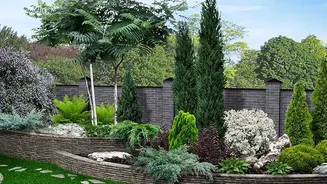
out fastest. This initial planning allows you to group plants with similar water needs together, a practice known as hydrozoning. For instance, thirsty plants can be clustered in a low-lying, naturally damp spot, while drought-hardy species can thrive in sun-drenched areas. This simple zoning strategy is one of the most effective ways to make your watering efforts more efficient. It also helps you design a space that is functional, placing greenery where it will feel inviting and using pathways or gravel in areas that get heavy foot traffic.
Build a Foundation of Healthy Soil
The secret to a resilient garden lies beneath the surface. Healthy soil acts like a sponge, holding moisture for longer periods and making plants less dependent on frequent watering. Many urban and new-build plots have compacted, nutrient-poor soil. The most effective way to improve this is by adding organic matter. Materials like compost, well-aged manure, or coco peat enhance the soil's structure, improving its ability to absorb and retain water. This not only helps during dry spells but also provides essential nutrients, creating a thriving environment for root systems. Better soil reduces water runoff, ensures moisture is available where plants need it, and lays the groundwork for a garden that gets stronger over time.
Choose the Right Plants for Your Climate
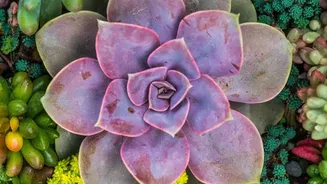
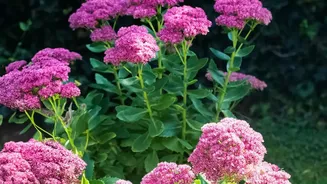
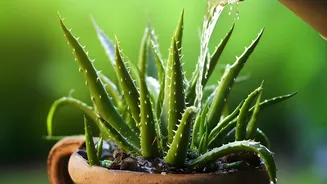
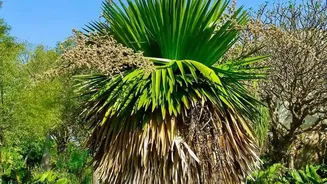
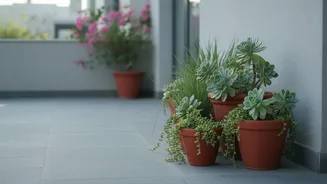
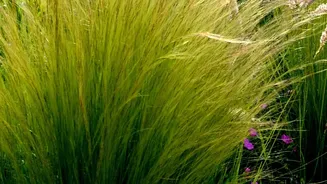
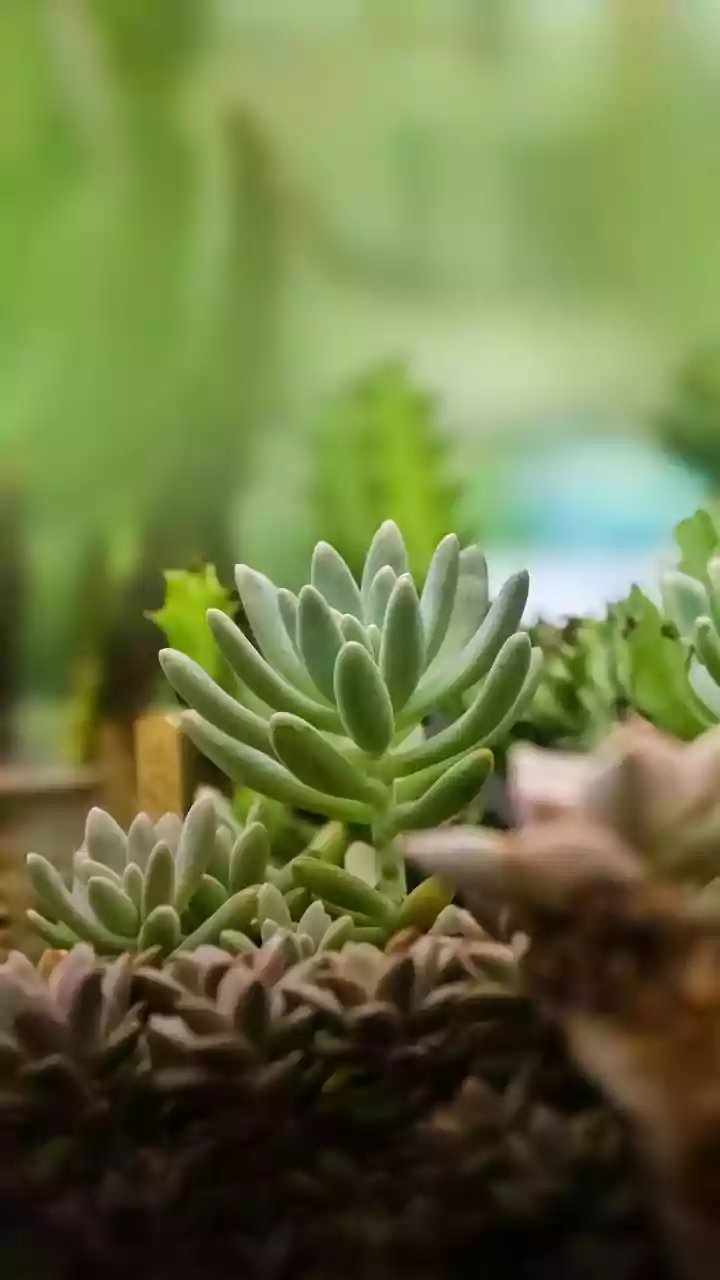
Plant selection is where water-smart gardening truly comes to life. Instead of fighting your climate, choose plants that are naturally suited to it. India has a vast array of beautiful, hardy native plants that thrive with minimal intervention. These species are already adapted to local soil conditions and can often resist regional pests and diseases without chemical help. Think Bougainvillea, Lantana, or flowering succulents for sunny, dry spots. Ornamental grasses can add texture and movement without demanding much water. When you do choose non-native plants, opt for those from similarly arid or Mediterranean climates. A garden filled with drought-tolerant species doesn't have to be sparse; it can be a vibrant tapestry of colour and form that is both beautiful and sustainable.
Mulch: The Gardener’s Best Friend
Mulching is one of the simplest and most impactful things you can do for your garden. Applying a layer of organic material—such as dried leaves, wood chips, or sugarcane trash—over the soil surface can reduce water evaporation by up to 70%. This protective layer keeps the soil cooler, preserves moisture, and significantly reduces the need for frequent watering. Mulch also has the added benefit of suppressing weed growth, which means less competition for your plants for water and nutrients. In many Indian households, dry leaves are swept up and discarded, but these are a valuable resource. Instead of throwing them away, use them to create a natural, moisture-locking blanket for your garden beds.
Water Wisely, Not Widely
In a water-smart garden, how you water is as important as how often you water. The most effective time to water is early in the morning when cooler temperatures and calmer winds minimise evaporation. Always water the base of the plant, delivering moisture directly to the roots rather than splashing the leaves. For maximum efficiency, consider installing a drip irrigation system. These systems deliver water slowly and directly to the root zone, cutting water consumption by over 50% compared to traditional sprinklers and hoses. They eliminate wastage from runoff and evaporation, ensuring every drop is used effectively. Combining deep, infrequent watering with a targeted system encourages roots to grow deeper, making plants more resilient during dry spells.
Rethink the Traditional Lawn
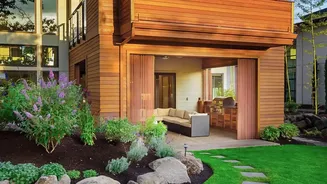
Lawns are one of the most water-intensive elements in any landscape. A significant step in reducing your garden's water consumption is to minimise the amount of turf. This doesn't mean eliminating grass entirely, but rather keeping it to a functional size for play or recreation. For other areas, consider attractive alternatives like creeping ground covers, beds of ornamental grasses, or permeable hardscaping like gravel paths or stone patios softened with container plants. Reducing your lawn area immediately lowers your water bill, cuts down on mowing, and decreases the need for fertilisers and pesticides, creating a more eco-friendly and low-maintenance outdoor space.