




Meet the Desi Superfood: Sattu
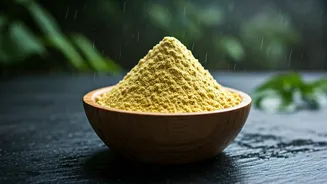
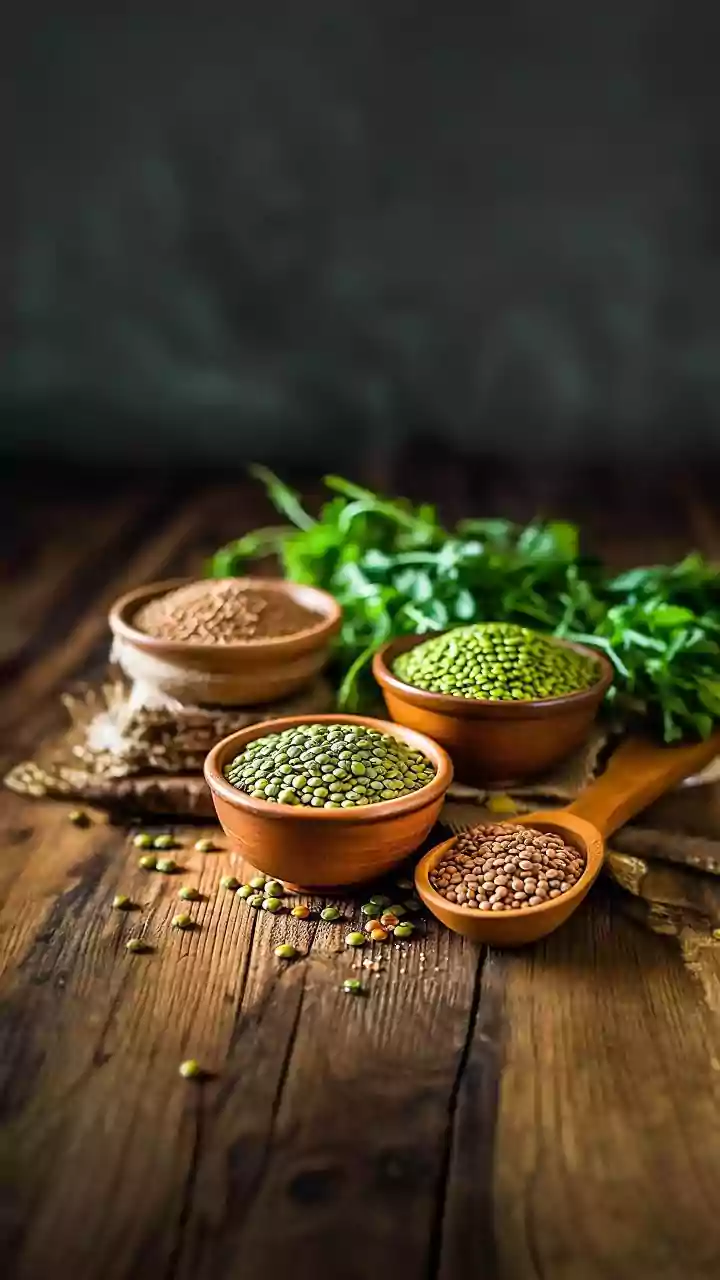
The protein hero we’re talking about is none other than sattu. This humble flour, made from roasted Bengal gram (kala chana), is a nutritional powerhouse that has been a staple in parts of India, especially Bihar, Jharkhand, and Uttar Pradesh, for centuries.
Often called the 'poor man’s protein,' sattu is anything but poor in nutrients. It’s an incredibly versatile, inexpensive, and accessible superfood that is perfect for the unique dietary challenges of the monsoon season. Unlike heavy, fried breakfasts that can feel sluggish, sattu is light on the stomach while providing sustained energy, making it an ideal way to start a damp, grey day.
A True Protein Powerhouse
Let’s talk numbers. Sattu is packed with high-quality plant-based protein. A 100-gram serving can contain around 20-25 grams of protein, which is essential for muscle repair, building new cells, and maintaining overall body function. Starting your day with a protein-rich meal helps in keeping you full for longer, preventing unhealthy mid-morning snacking on pakoras and samosas. This sustained release of energy is crucial on lazy monsoon mornings when you need an extra push to get going. Protein also plays a vital role in producing antibodies, your body’s first line of defence against infections, which tend to spike during this season.
The Gut-Friendly Fibre Fix
The monsoon season can often bring digestive woes, from indigestion to bloating. Sattu is rich in insoluble fibre, which is excellent for your gut health. This fibre acts as a natural cleanser for your colon, helping to regulate bowel movements and prevent constipation. A healthy gut is the foundation of a strong immune system. Furthermore, sattu has a cooling effect on the stomach. While we crave warm foods, our digestive system can be sensitive during the monsoon. Sattu helps soothe the stomach lining and reduces acidity, making it a gentle yet effective start to your day.
Your Ally Against Monsoon Illnesses
Why is sattu particularly good for the monsoon? Beyond protein and fibre, it’s loaded with essential minerals like iron, manganese, and magnesium. Iron helps combat the general fatigue and lethargy that often accompany the season, while manganese and other micronutrients act as antioxidants. These compounds help fight off free radicals and reduce inflammation, strengthening your body's ability to ward off common monsoon ailments like colds, coughs, and viral fevers. Its low glycemic index means it releases sugar into the bloodstream slowly, preventing energy crashes and keeping you active throughout the day.
Simple Ways to Enjoy Sattu
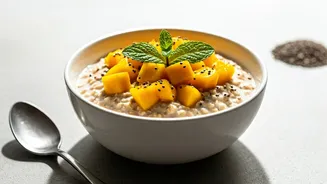
Incorporating sattu into your morning routine is incredibly easy. You don’t need to be a master chef. Here are two classic ways to prepare it: 1. The Savoury Sharbat: This is the most popular way to consume sattu. In a glass of water, mix 2-3 tablespoons of sattu flour. Add black salt (kala namak), a pinch of roasted cumin powder, and the juice of half a lemon. For an extra kick, you can add finely chopped onions and green chillies. It's a refreshing, savoury, and incredibly nutritious drink. 2. The Sweet Porridge: If you prefer a sweet start, mix sattu with a little water or milk to form a thick paste. Add jaggery (gur) or honey to taste and top with some chopped nuts or seeds. You can warm it slightly for a comforting, porridge-like breakfast that is ready in minutes.