



The Rise of a Kitchen-Counter Remedy
The trend of using leftover fruit peels for skincare has gained significant traction, especially as Indian winters set in. With cold, dry air leaving skin feeling dull and dehydrated, the promise of a natural, cost-effective glow from something you'd
normally throw away is appealing. Social media is filled with videos of people rubbing the inner side of banana peels under their eyes or creating face packs from dried orange peel powder. The logic seems sound: peels are known to be packed with vitamins and antioxidants. Orange peels, for instance, are rich in Vitamin C, while banana peels contain phytochemicals and minerals. This DIY approach taps into a growing desire for sustainable, 'clean' beauty, making it a popular choice for those looking to nourish their skin without breaking the bank.
The Science: What's Really in a Peel?
Fruit peels are, in fact, nutritionally dense. Scientific studies confirm that peels from fruits like oranges contain beneficial compounds like flavonoids and polyphenols, which have antioxidant and anti-inflammatory properties. These compounds can, in theory, help protect the skin from environmental damage. Banana peels contain tannins, which are natural astringents that can give a temporary tightening feeling to the skin. Some proponents claim these properties can help with everything from acne and fine lines to hyperpigmentation. Many active ingredients in professional skincare products, such as glycolic acid from sugarcane and salicylic acid from willow bark, have natural origins, which lends credibility to the idea of using raw plants for beauty. However, the presence of these compounds in a raw peel is very different from their use in a formulated product.
A Word of Caution from Dermatologists
Here's where the simple hack gets complicated. Experts warn that applying raw fruit peels directly to your skin comes with risks. One major concern is pesticides. Washing fruit doesn't remove all chemical residues, and some systemic pesticides can penetrate the peel and even the pulp. Applying these directly to your skin introduces unwanted chemicals. Another significant risk, particularly with citrus peels like orange or lemon, is photosensitivity. The oils in these peels can react with sunlight, leading to rashes, blisters, or a condition called phytophotodermatitis, which causes dark patches on the skin. Furthermore, the natural acids in fruit peels can be too harsh for the skin barrier, causing irritation, redness, and dryness — the very things you're trying to combat in winter. While some sources mention benefits for eczema or psoriasis, applying unregulated natural ingredients can easily trigger flare-ups in sensitive or compromised skin.
The Problem with Potency and Purity
Even if you use organic fruit, the concentration of active ingredients in a raw peel is completely unknown. A dermatologist-formulated Vitamin C serum, for example, is created in a lab to ensure it is stable, effective, and can be properly absorbed by the skin. The Vitamin C in an orange peel powder is not in a form that the skin can readily use to fade dark spots, for instance. What you get is more of a mild physical exfoliation rather than a targeted treatment. The pH of these DIY concoctions can also disrupt your skin’s natural balance, leading to more harm than good. While a banana peel might provide temporary hydration by sealing in moisture, the effect is short-lived and doesn't address underlying skin concerns. As one dermatologist noted, you're better off eating the banana than putting the peel on your face.
Safer Alternatives for Winter Skin
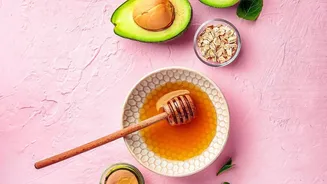
If you love the idea of DIY and natural ingredients, there are safer ways to pamper your skin. Instead of raw peels, consider mashing the pulp of fruits like avocado, papaya, or banana and mixing it with calming ingredients like yogurt, honey, or oatmeal to create a gentle mask. Always perform a patch test on a small area of skin before applying any new mixture to your face. For winter skincare in India, experts recommend switching to creamier cleansers, layering hydration with serums containing hyaluronic acid, and using richer moisturisers or a few drops of facial oil like almond or sesame oil. Overnight masks and nourishing lip balms are also great additions to a winter routine. These methods are proven to protect and repair the skin barrier against the dry winter air without the risks associated with raw peels.