
The Most Important Step: Drainage
Before you get carried away with creative ideas, let’s talk about the single most critical factor for a healthy container plant: drainage. Most repurposed containers are not designed to hold plants and will lack holes in the bottom. Without a way for excess
water to escape, soil becomes waterlogged, leading to root rot. There are two simple ways to handle this. You can carefully drill or punch a few small holes in the bottom of your chosen container. Place it on a saucer or tray to protect your furniture. Alternatively, you can use the 'pot-in-a-pot' method: keep your plant in its plastic nursery pot (which already has holes) and simply place it inside your more decorative, repurposed item. This acts as a stylish sleeve, or cachepot, hiding the plain pot within.
From the Kitchen Cupboard
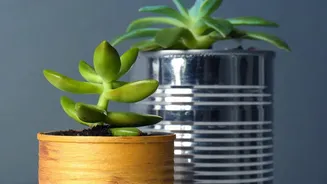
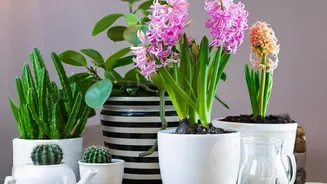
Your kitchen is a treasure trove of potential planters. Old teacups, mugs, and colourful tins for coffee or biscuits can become charming homes for small plants like succulents or herbs. Glass jars and even old cooking pots can be transformed into unique vessels. Colanders are particularly clever as they come with built-in drainage holes, making them perfect for hanging planters. When using containers that previously held food, make sure to clean them thoroughly. For edible plants like kitchen herbs, it's safest to use materials that are food-grade, such as glass, stainless steel, or certain types of plastic, to avoid any potential leaching of chemicals.
Embrace Rustic and Vintage Charm
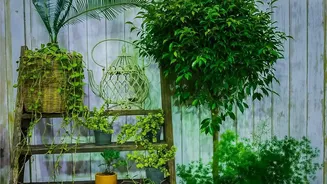
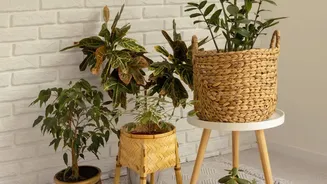
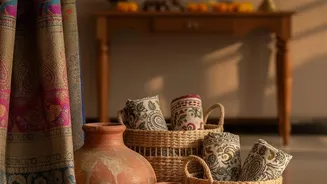
To cultivate a rustic, farmhouse, or bohemian aesthetic, look for items with a bit of history and texture. Wooden crates, old drawers, and woven baskets can make for stunning, sizable planters perfect for larger houseplants or a collection of smaller ones. If using wood or wicker, consider lining the inside with plastic (with drainage holes) to slow down water damage. Quirky vintage finds also make for great conversation pieces. Think about using old rubber boots, a leaky watering can, a retro birdcage, or even an antique teapot as a whimsical home for a trailing vine or a bright floral.
Industrial and Modern Looks
For a more modern or minimalist feel, think about materials with clean lines and a simple palette. An old paint can, cleaned and perhaps spray-painted a matte black or white, becomes a chic, industrial-style pot. You can also wrap simple plastic containers or bins in materials like rope or twine for a textured, contemporary look. Even unexpected construction items like cinder blocks can be used to create a striking, geometric display for drought-tolerant plants. The key is to see the potential in an object’s shape and material, rather than its original purpose, and adapt it to fit your home’s decor.
Choosing the Right Plant
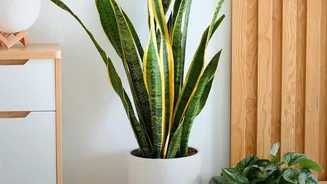
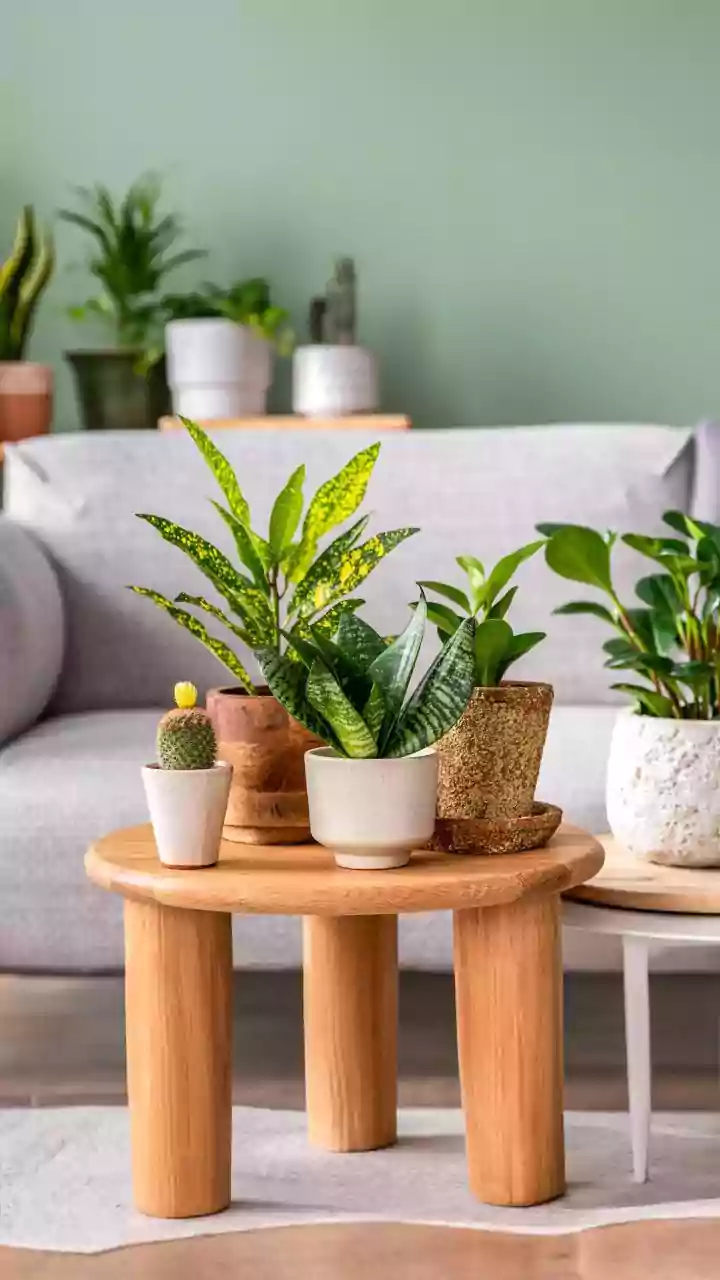
Finally, match the plant to your new planter. Non-porous materials like glass, metal, and glazed ceramics retain moisture well, making them suitable for tropical plants that prefer consistently damp soil, such as ferns or pothos. Porous materials like unglazed terracotta, wood, and fabric will dry out faster. Drought-tolerant plants like succulents, cacti, and snake plants are often a great choice for many repurposed planters, as they are more forgiving if the drainage isn't perfect. For any upcycled container, using a quality potting mix designed for containers is better than using dense garden soil, as it helps ensure proper aeration and prevents compaction.