







The Science of Seasonal Abundance
So, why do vegetables seem to shed their pricey, high-maintenance attitude during the monsoon? The answer lies in simple biology and climate. The intense heat of the Indian summer is stressful for many crops. High temperatures can hinder growth, reduce
yields, and increase the need for irrigation, which drives up costs. When the monsoon clouds roll in, they bring two crucial ingredients for a happy harvest: lower temperatures and abundant water. The overcast skies and cooler, humid air create an ideal growing environment for a whole category of vegetables that struggle in dry heat. This natural irrigation system reduces the burden on farmers, allowing for more plentiful and robust crops to flourish from June to September.
From Farm to Your Kitchen Budget
This agricultural boon has a direct and welcome impact on our wallets. Basic economics dictates that when supply goes up, prices tend to come down. The bumper crops of monsoon-friendly vegetables flood the local mandis and neighbourhood sabziwalas. This surge in availability means sellers compete for buyers, leading to more reasonable prices compared to the leaner summer months. Suddenly, that bag full of greens or gourds doesn't sting the household budget as much. This seasonal affordability makes it the perfect time to experiment with different recipes and load up on essential nutrients without breaking the bank. It's nature’s way of offering a discount, making healthy eating more accessible for everyone.
Your Monsoon Vegetable Shopping List
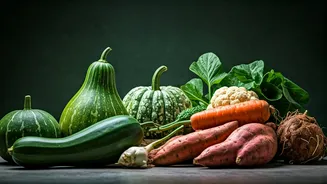
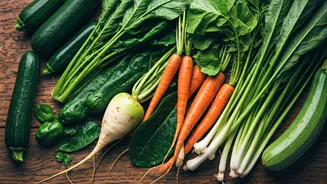
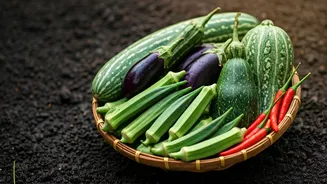
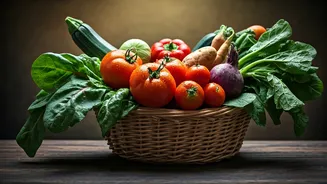
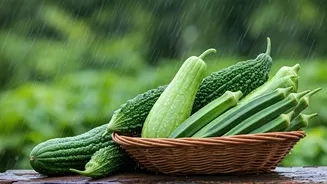
Navigating the market during this season of plenty can be a joy. Keep an eye out for these monsoon superstars, which are at their peak in terms of flavour, freshness, and price: * **Gourds (Lauki, Turai, Karela):** Bottle gourd (lauki), ridge gourd (turai), and bitter gourd (karela) thrive in the moist conditions. They are light, easy to digest, and incredibly versatile. Think simple lauki sabzi, turai in a dal, or a crispy stuffed karela. * **Leafy Greens (Palak, Chaulai):** While you need to be extra careful with washing them, spinach (palak) and amaranth greens (chaulai) grow profusely during this time. They are packed with iron and vitamins. Ensure you wash them in clean water multiple times before cooking. * **Bhindi (Okra):** Lady's finger, or bhindi, is another vegetable that loves the monsoon climate. Look for tender, bright green pods. It’s perfect for making a simple bhindi fry or a tangy gravy-based dish. * **Cucumber (Kheera):** Refreshing and hydrating, cucumbers are at their best. They offer a cool, crisp counterpoint to the season’s humidity and are a great addition to salads and raitas.
A Few Words of Monsoon Caution
While the monsoon brings abundance, it also brings challenges. The high humidity and moisture can lead to faster spoilage and an increase in pests. Furthermore, the risk of water-borne contaminants is higher. This makes it crucial to be a discerning shopper and a careful cook. Always inspect vegetables for signs of rot, mould, or insect damage. Most importantly, adopt a rigorous cleaning routine. Wash all your vegetables thoroughly, especially leafy greens, under clean, running water. Some people prefer to soak them in a bowl with a bit of salt, turmeric, or vinegar for a few minutes to help dislodge dirt and germs. Cooking vegetables well, rather than eating them raw (with the exception of cucumber), is also a wise practice during this season to ensure food safety.