

The Spirit of Bijoya
Bijoya Dashami, marking the victory of good over evil, is followed by a period of warm social visits that can last until Diwali. Families and friends exchange 'Shubho Bijoya' greetings, where younger people touch the feet of elders to seek blessings,
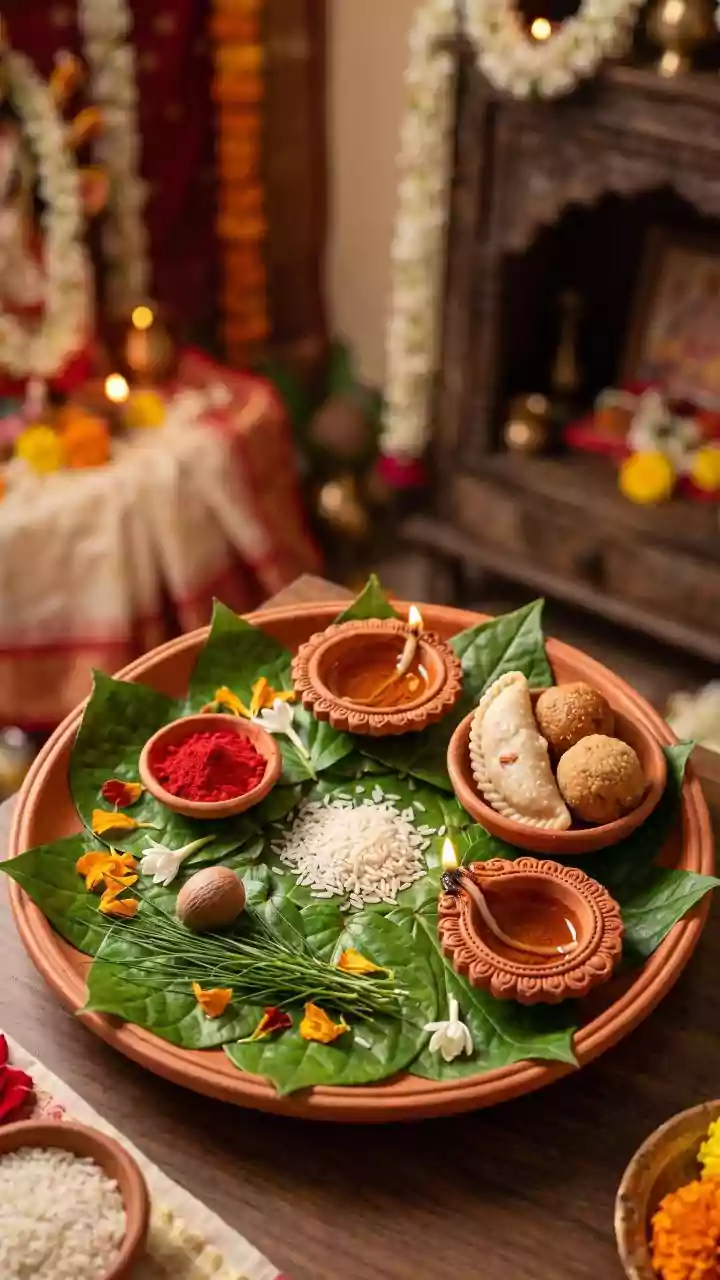
and peers embrace in a 'kolakuli'. Central to this tradition is the offering of food. It's considered inauspicious for a guest to leave without having at least a small bite, a custom known as 'mishti-mukh' or sweetening the mouth. This hospitality is the soul of the celebration, turning every home into a hub of warmth and community.
Balancing Sweet and Savoury
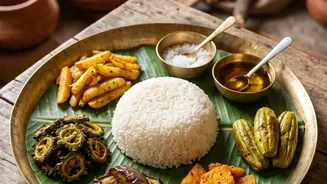
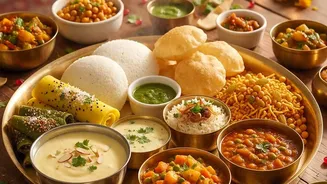
A traditional Bengali snack plate for Bijoya is a study in balance, championing the delightful contrast between 'nonta' (savoury) and 'mishti' (sweet). While sweets are non-negotiable, the platter feels incomplete without the crunchy, spicy counterpoints of savoury snacks. The idea is to offer a little something for every palate. You don't need a lavish feast for a short visit; a few well-chosen items presented with love are more than enough to capture the festive spirit. The key lies in creating a spread that is both delicious and easy to serve.
The Savoury Foundation: Nimki and Ghugni
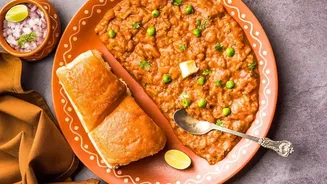
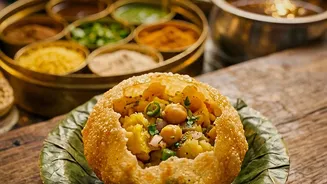
No Bijoya platter is complete without a crunchy savoury element, and kucho nimki is the undisputed star. These small, diamond-shaped, deep-fried crackers are made from a simple dough of flour, nigella seeds (kalonji), salt, and oil. They are incredibly moreish and the perfect accompaniment to a cup of tea. Another savoury staple is Ghugni, a comforting curry made from dried yellow or white peas. The peas are soaked and boiled until tender, then simmered with onions, ginger, garlic, and a blend of spices. Often served garnished with chopped onions and coriander, it provides a hearty and flavourful contrast to the other snacks on the plate.
The Heart of the Plate: Kochuri or Chops
To make the platter more substantial, many households include a 'heavy' snack. Koraishutir kochuri (puri stuffed with a spiced green pea filling) is a beloved choice. The mildly sweet and spicy pea mixture inside a fluffy, deep-fried puri is a festive delicacy. Alternatively, vegetable or meat chops are a popular option. These are patties made from mashed vegetables like beetroot and carrots, or minced chicken or fish, mixed with spices. They are then coated in breadcrumbs and fried until golden and crisp, offering a delightful texture and rich flavour.
The Sweet Finale: Naru and Sandesh
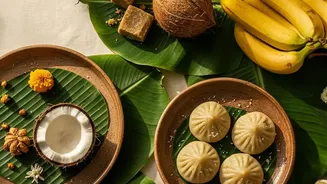
The sweet section of the plate is where the 'mishti-mukh' tradition truly comes to life. Narkel Naru, or coconut laddoos, are a quintessential Bijoya sweet. Made with just grated coconut and jaggery or sugar, these bite-sized treats are simple, fragrant, and deeply traditional. Alongside naru, you will almost always find a classic Sandesh. This iconic Bengali sweet is made from fresh chenna (paneer) and sugar, and can be found in countless shapes, sizes, and delicate flavours. While many exquisite varieties are available in sweet shops, a simple, soft 'makha' sandesh is just as welcome and captures the essence of homemade festive joy.