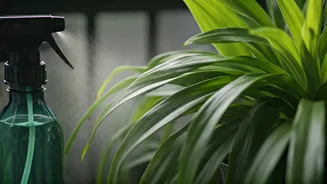









Why Humidity Harms Balcony Plants
While rain is essential, the persistent dampness and lack of air circulation in many urban balconies create a perfect breeding ground for problems. Humid weather is an open invitation for fungal diseases like powdery mildew, which appears as a white,
dusty coating on leaves, and black spot. These fungi inhibit photosynthesis, weakening the plant. Simultaneously, the warm, moist conditions encourage pest populations to explode. Common culprits like mealybugs, aphids, and spider mites find a safe haven in dense foliage, sucking the life out of your plants and leaving behind sticky residue that can attract even more issues, like sooty mould.
Neem Oil: Nature’s Protective Shield
This is where Neem oil, derived from the seeds of the Azadirachta indica tree native to the subcontinent, comes in. It’s not a modern chemical invention but a time-tested agricultural and medicinal powerhouse. Its magic lies in its complex compounds, primarily azadirachtin. This compound doesn't kill pests on contact like harsh chemicals. Instead, it acts as an antifeedant, repellant, and growth disruptor. When a pest ingests it, it loses its appetite and ability to moult and reproduce, causing the population to collapse over time. As a fungicide, Neem oil coats the leaf surface, preventing fungal spores from germinating and spreading. It’s an all-in-one organic defence system that is safe for most plants, beneficial insects like bees (when applied correctly), and your family.
The Perfect DIY Neem Oil Spray
Mixing your own Neem oil spray is simple and cost-effective. You control the ingredients, ensuring it's fresh and correctly diluted to prevent leaf burn. For a basic, effective solution, you will need: - 1 Litre of lukewarm water - 1 Teaspoon (5 ml) of 100% cold-pressed Neem oil (ensure it's pure, not a pre-mixed product) - ½ Teaspoon (2-3 ml) of gentle liquid soap (this acts as an emulsifier, allowing the oil and water to mix) Combine the liquid soap with the lukewarm water in a spray bottle and shake well until it's slightly sudsy. Then, add the Neem oil. Shake vigorously to create a milky, homogenous solution. Because oil and water naturally separate, you will need to shake the bottle frequently during application to keep the mixture consistent.
How to Apply for Maximum Effect
Timing and technique are everything when using Neem oil. The best time to spray is in the late evening or very early morning. Applying it in direct, hot sunlight can cause the oil to heat up on the leaves, leading to scorching and damage. Start by shaking your spray bottle well. Set the nozzle to a fine mist and generously coat all surfaces of the plant, paying special attention to the undersides of leaves where pests love to hide and lay eggs. Ensure the stems and the soil surface around the plant base also get a light misting. The goal is to drench the foliage until the solution begins to drip off. This ensures complete coverage for both pest control and fungal prevention.
Smart Practices and Precautions
While Neem oil is organic, it is still potent. For preventative care during the humid season, apply the spray once every 10-14 days. If you are dealing with an active pest infestation or fungal outbreak, increase the frequency to once every 5-7 days until the problem is under control. Before spraying a whole plant for the first time, it's wise to perform a 'patch test'. Spray a small, single leaf and wait 24-48 hours to check for any adverse reactions like yellowing or burning. Some plants with delicate foliage can be sensitive. Avoid spraying on new, tender seedlings. Most importantly, never use a higher concentration of oil than recommended, as this is the most common cause of plant damage. Finally, use your mixed solution within 8 hours, as it will lose its efficacy and begin to break down.