

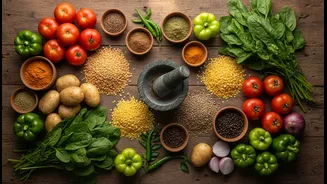
Start with Seasonal Heroes
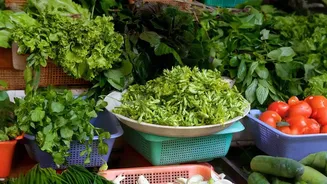
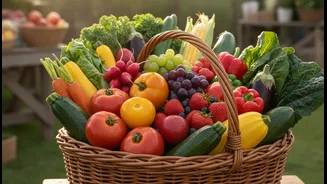
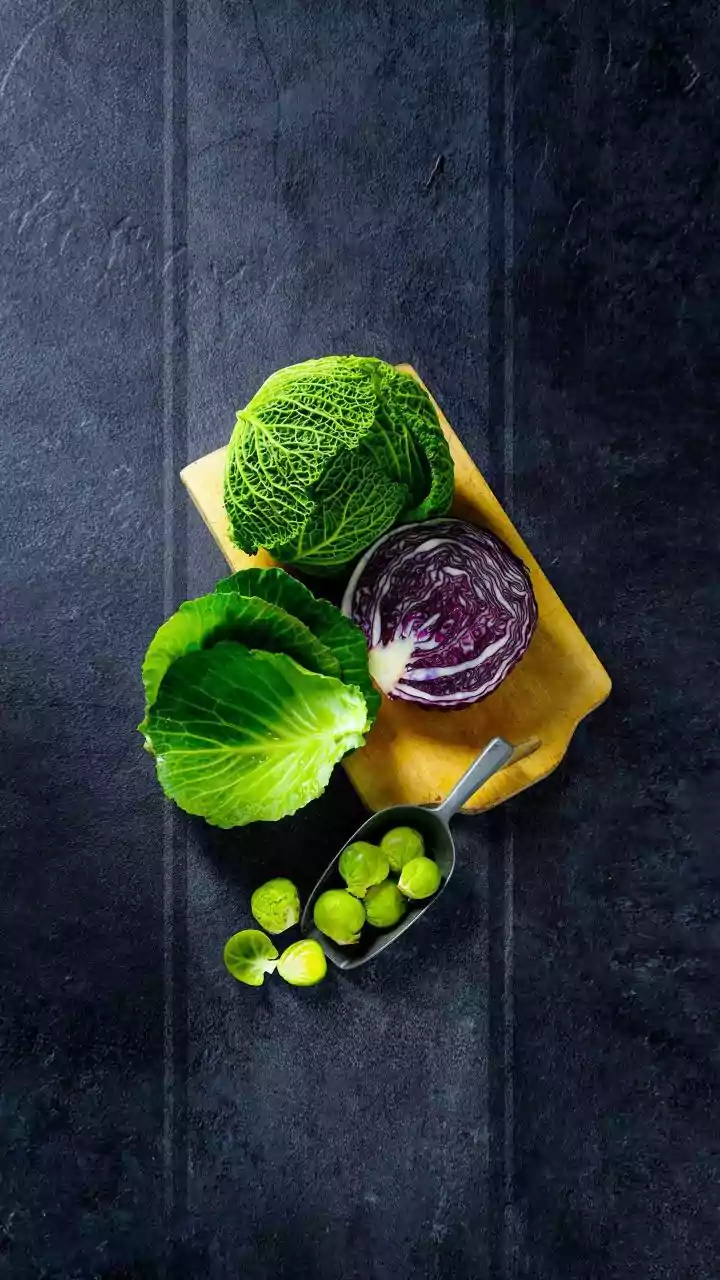
Basing your meals on what's currently in season is the foundation of great meal planning. Seasonal produce is at its peak in flavour and nutrition, and it's often cheaper because it's abundant. In India, this means enjoying mangoes and okra in the summer,
gourds and corn during the monsoon, and leafy greens and root vegetables like carrots and beets in the winter. Planning your shopping around these seasonal stars ensures you’re always cooking with the best ingredients available. When you shop, look for vegetables that are vibrant in colour and firm to the touch, as this indicates freshness.
Master the Fundamental Cuts
How you cut a vegetable dramatically affects its cooking time, texture, and flavour. You don't need fancy knife skills, just a few basic cuts. For many Indian dishes, uniformity is key to ensure everything cooks evenly. A large dice or cube (about half to three-quarters of an inch) is perfect for vegetables like potatoes, bottle gourd, and pumpkin in curries and sabzis, as it helps them hold their shape. A fine chop or mince is used for aromatics like onions, garlic, and ginger to form the base of a masala. Slicing, whether into thin rounds for a simple pan-fried dish like begun bhaja (eggplant discs) or into long strips (juliennes) for stir-fries and salads, changes the entire mouthfeel of a dish.
Choose Your Cooking Method
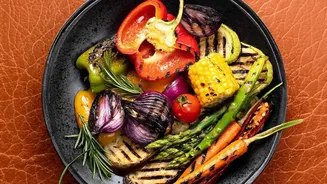
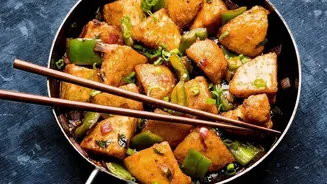
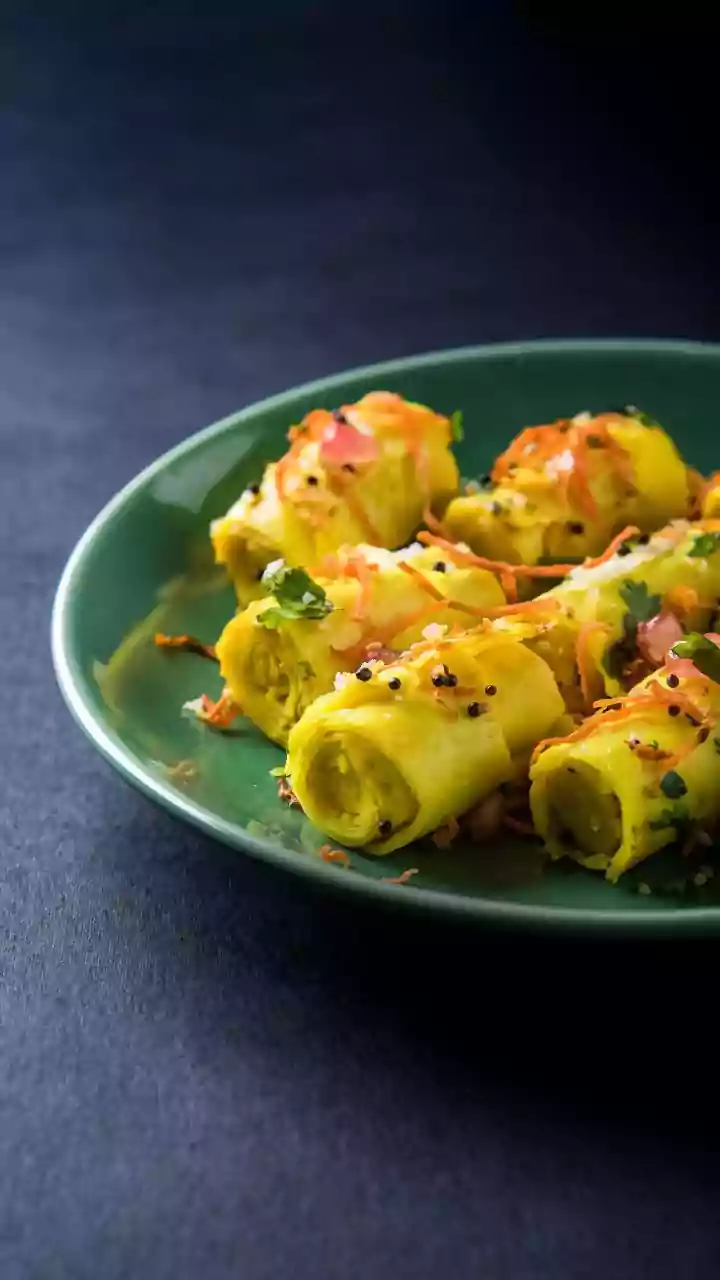
Different cooking methods bring out different qualities in vegetables. Roasting, for instance, works wonders on root vegetables like potatoes, sweet potatoes, and carrots, caramelising their natural sugars and creating a deep, rich flavour. A quick stir-fry or sauté over high heat is ideal for tender vegetables like bell peppers, beans, and leafy greens, keeping them crisp and colourful. Steaming is a gentle method perfect for delicate vegetables like broccoli and asparagus, preserving their nutrients and fresh taste. For many Indian preparations, pressure cooking is a time-saver for tougher items like lentils and potatoes, while a simple tadka (tempering spices in hot oil) before adding vegetables is a foundational technique for building flavour in countless sabzis.
The Meal Prep Checklist
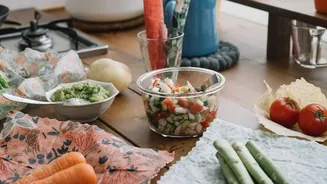
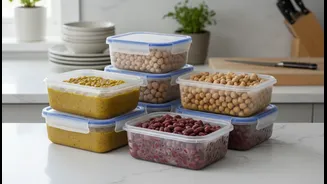
Once you have your seasonal produce, it's time to prep. This is where you save significant time during the week. First, wash and dry your vegetables thoroughly. Next, dedicate some time to chopping. You can dice onions, cube potatoes, and slice carrots, then store them in separate containers in the fridge. This makes assembling a meal as simple as grabbing a few containers and starting to cook. A good weekly plan might involve choosing two or three main vegetables for the week, prepping them in a couple of different cuts, and planning meals that use different cooking methods. For example, use diced carrots in a sabzi one day and julienned carrots in a salad the next.
Smart Storage for Freshness
Proper storage is crucial to make your prepped vegetables last. Hardy root vegetables like carrots and beets can be stored in sealed containers, sometimes submerged in water to maintain crispness. Onions and garlic should be kept in an airtight container to prevent their odours from spreading. For leafy greens, wash and dry them completely before storing them in bags or containers lined with a paper towel to absorb excess moisture, which helps prevent them from becoming slimy. Cruciferous vegetables like broccoli and cauliflower last longer if stored in a container with a slightly vented lid, allowing some air to flow.