


The Rise of a New Travel Beat
There's a palpable shift in the way young Indians are choosing to travel. According to a recent report, one in three Gen Z travellers now prefers a music festival trip over a conventional holiday. And the epicentre of this burgeoning trend is unequivocally
Northeast India. This region, with its deep-rooted indie and rock culture, has transformed into a bucket-list destination. The journey itself has become as significant as the destination, with travellers embarking on five-to-eight-day trips that combine music with an immersive exploration of local cafes, trekking routes, and cultural sightseeing. This trend is driven by a young demographic, predominantly between 21 and 34 years old, with a remarkable 80% choosing to travel solo, seeking community and connection at these events.
The Ziro Blueprint: Music, Nature, and Culture
Perhaps no event embodies this new travel ethos more than the Ziro Festival of Music in Arunachal Pradesh. Launched in 2012, Ziro was founded to promote independent music and sustainable tourism. Set in the stunning Ziro Valley amidst paddy fields and hosted by the Apatani tribe, it offers an experience that is deeply connected to nature and community. The festival's infrastructure is built almost entirely from locally sourced bamboo, reinforcing its strong emphasis on eco-friendly practices. For many attendees, the appeal lies not just in discovering global and Indian indie artists but in the authentic cultural exchange, camping under the stars, and the non-commercial, community-focused atmosphere. Its success is staggering, with bookings for the 2026 edition tracking 7-8 times higher year-on-year, cementing its status as a key driver of tourism to the state.
Meghalaya’s Melodic Magnetism
Meghalaya, and its capital Shillong, has long been regarded as India's rock music hub. This reputation is now drawing massive crowds through a calendar of vibrant festivals. The Shillong Cherry Blossom Festival has exploded in popularity, blending the beauty of blossoming trees with a lineup of international and local artists. After becoming the highest-booked festival, it is projected to grow three-fold in its 2026 edition, attracting music lovers from across the country. Events like The Hills Festival, set against the scenic Umiam Lake, further bolster the state's appeal by combining music with eco-consciousness and local culture. These festivals are more than just concerts; they are multi-day cultural events that showcase Meghalaya's unique blend of modernity and tradition.
Beyond Indie: The Pull of Cultural Festivals
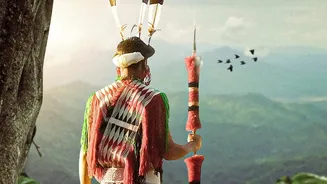
The trend isn't limited to indie music. Massive cultural celebrations like the Hornbill Festival in Nagaland are a huge draw for young travellers. Launched in 2000, the 'Festival of Festivals' brings together all of Nagaland's major tribes to showcase their heritage, dances, and traditions. Held at the Naga Heritage Village in Kisama, the event provides a singular opportunity to witness the state's rich diversity. Its 25th edition saw a significant 33% increase in visitors from the previous year, attracting over 200,000 people. For young attendees, festivals like Hornbill offer a form of authentic, immersive travel that goes beyond typical tourism, providing deep engagement with local communities and ancient traditions that are being preserved and celebrated through these events.
The Ripple Effect: Benefits and Challenges
The surge in festival tourism has a significant economic impact, benefiting local communities through homestays, food stalls, and guide services. As one festival organiser noted, a destination festival brings travellers into a region for several days, and much of their spending stays within the local economy. However, this rapid growth is not without its challenges. The CEO of Zostel, a backpacker hostel chain, pointed out that the festivals are often growing faster than the infrastructure around them, particularly in remote areas. This raises important questions about sustainability, environmental impact, and the need to manage tourism growth in a way that respects local ecology and preserves the very authenticity that draws travellers to the Northeast in the first place.