

From Heirloom to High Fashion
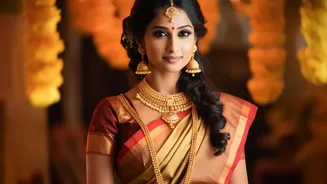
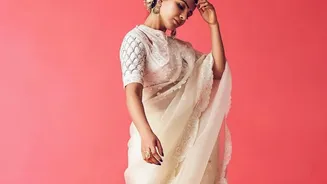
In homes across India, trunks filled with old silk sarees are being opened with a new purpose. These aren't just being aired out for special occasions; they are being creatively deconstructed and reborn. For generations, these sarees—heavy Kanjeevarams,
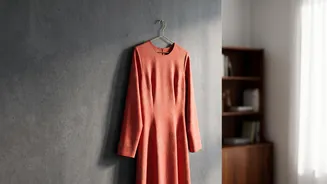
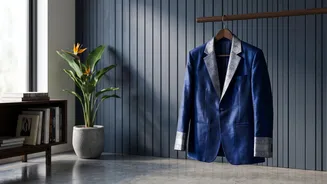
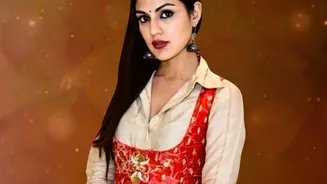
intricate Banarasis, and airy Chanderis—were symbols of tradition, passed from mother to daughter. Now, they are the raw material for a fashion revolution driven by a younger generation. Gen Z designers and DIY enthusiasts are transforming these six yards of history into contemporary silhouettes. Think structured corset tops made from a shimmering pallu, breezy co-ord sets perfect for pandal hopping, tailored blazers, and even flowy dresses. The result is a one-of-a-kind outfit that no fast-fashion brand can replicate, ensuring a unique look for the festive season.
A Blend of Sustainability and Sentiment
This trend is about more than just aesthetics; it's a conscious choice. For a generation increasingly wary of fast fashion's environmental impact, upcycling is a powerful form of sustainable expression. Reusing an existing garment drastically reduces textile waste and avoids the cost of purchasing new, expensive festive wear. But the emotional pull is just as strong. Each saree holds a story—a wedding, a first festival, a cherished memory. By reworking these heirlooms, young people aren't erasing that history; they're extending it. Wearing a dress cut from a grandmother's wedding saree becomes a way to keep family history alive, creating a tangible connection to their roots during a festival that is all about celebrating heritage.
The Durga Puja Connection
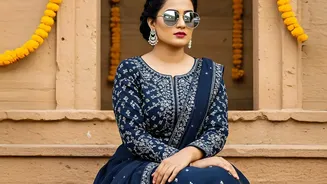
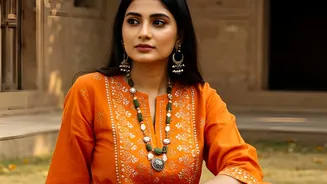
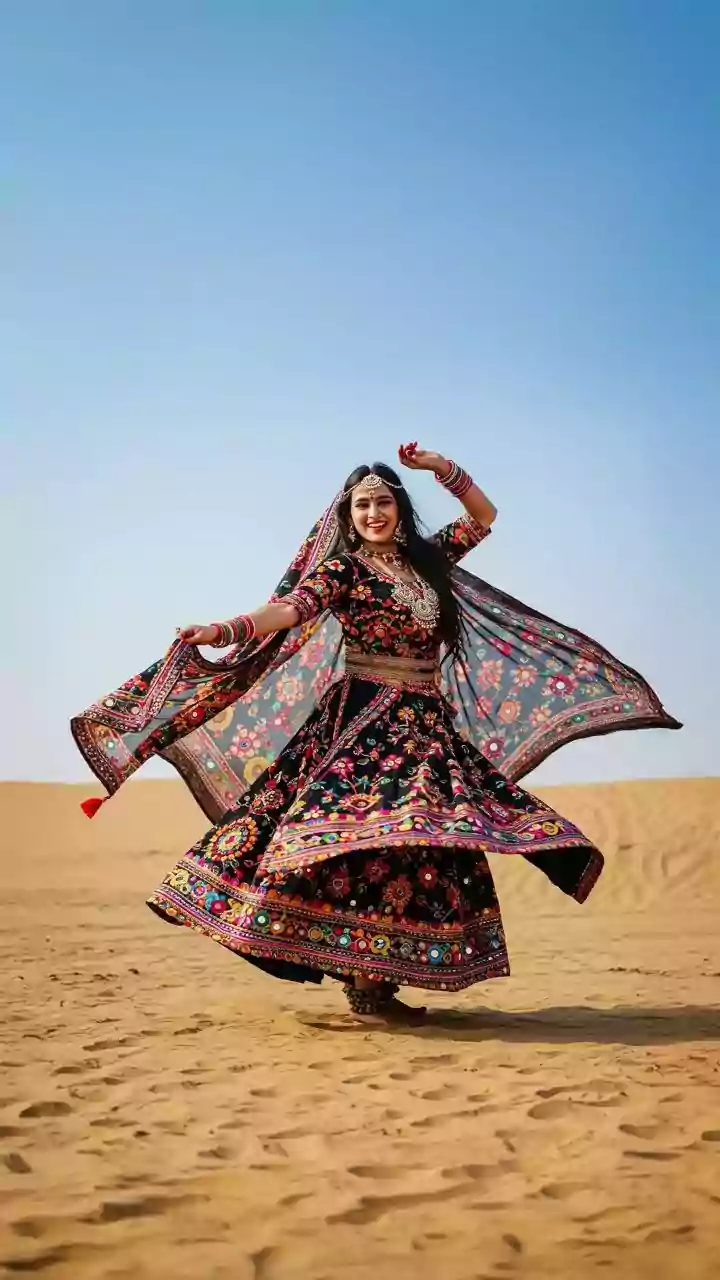
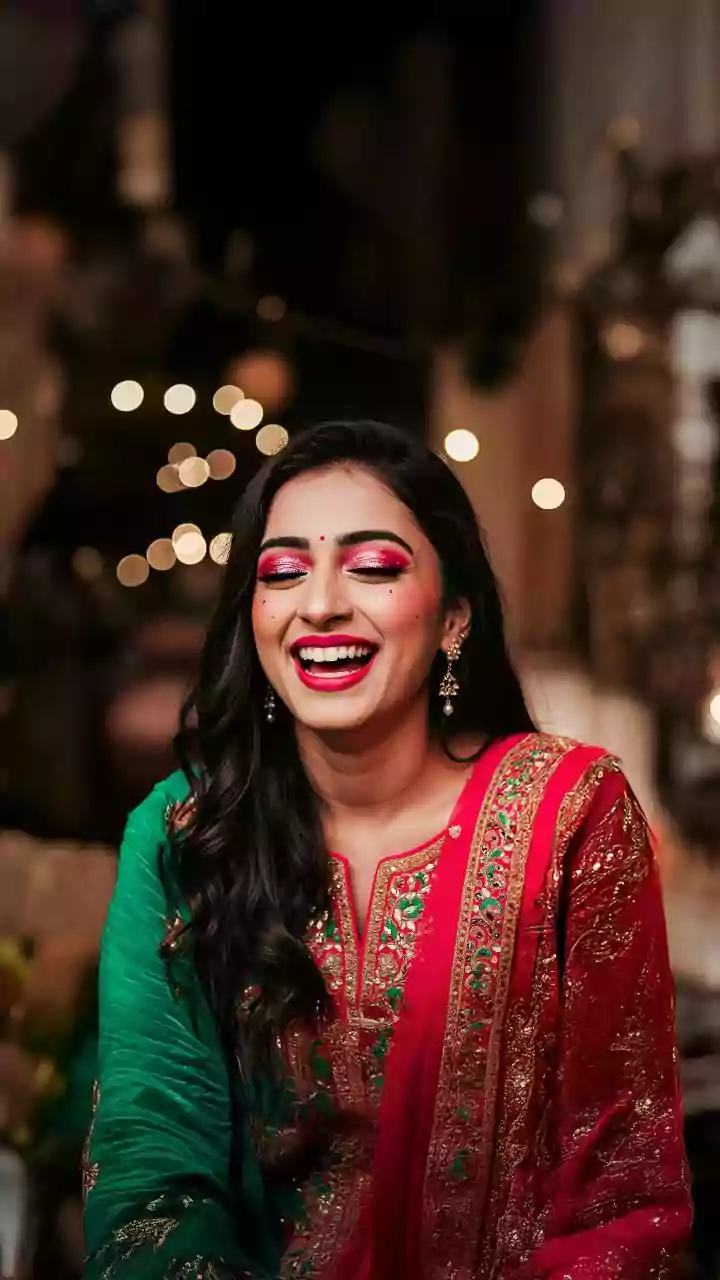
Durga Puja is a five-day celebration of culture, community, and, of course, fashion. Each day, from Sasthi to Dashami, offers an opportunity to showcase a new look, making it one of India's biggest fashion moments. Traditionally, this has meant buying several new outfits. The upcycling movement offers a thoughtful alternative. It allows for fresh, exciting looks for every day of the festival without the associated waste or expense. An old saree can become an elegant Anarkali for Ashtami's pushpanjali, a stylish jacket for evening adda sessions, or a comfortable kurta for daytime pandal visits. It's a perfect marriage of the festival's emphasis on tradition and the modern desire for comfortable, personal, and practical style.
The Creative Process
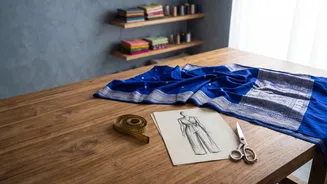
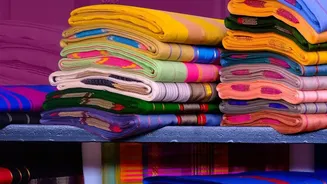
The transformation from saree to statement outfit happens in various ways. Some collaborate with local tailors, providing sketches and ideas to bring their vision to life. Fashion students and emerging designers are also at the forefront, building entire collections around discarded Indian textiles. The process involves careful selection, as the heavy weave of a Banarasi is ideal for structured pieces like jackets or corsets, while lighter silks or cottons are better suited for dresses and kurtas. The saree's borders and pallu, often the most ornate parts, are cleverly used as design highlights on necklines, cuffs, or hemlines, ensuring that the original character of the fabric shines through in its new form.