





A Golden Fortnight of Sales
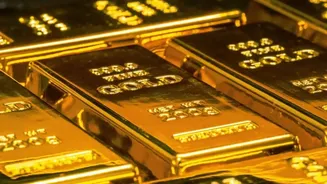
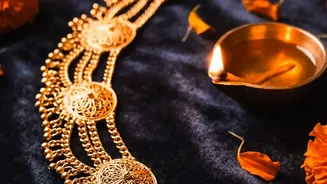
The impressive sales figure reflects the period from Dhanteras, which fell on November 6, to the end of the Diwali festivities. According to the IBJA, consumers across the country purchased approximately 52 tonnes of gold, valued at Rs 72,000 crore, alongside
300 tonnes of silver worth an additional Rs 5,400 crore. This marked a significant uptick in consumer spending, with gold buying rising by 30% in volume compared to the same period last year. Jewellers reported a celebratory mood, attributing the strong performance to a combination of cultural significance and favourable market conditions.
Favourable Prices Fuel the Frenzy
A key driver behind the sales surge was a timely correction in gold prices. After hitting a peak of nearly Rs 1.8 lakh per 10 grams earlier in the year, prices eased to around Rs 1.42 lakh during the festive window. This drop encouraged many buyers who had been waiting on the sidelines to enter the market. The price correction made the precious metal more accessible, creating a 'buy-the-dip' mentality among consumers who view gold as a fundamental store of value. Industry experts noted that this created the perfect environment for both traditional festive buying and strategic investment purchases.
Strong Economy and Wedding Season Boost
Beyond pricing, the robust sales are a strong indicator of positive economic sentiment. With healthy GDP forecasts and a stable job market, consumer confidence has improved significantly. This was particularly evident in rural areas, where a good monsoon and strong harvest season boosted disposable incomes, translating into higher demand for gold. Furthermore, with the wedding season beginning in mid-November, many families made advance purchases for upcoming nuptials, a trend that traditionally accounts for a substantial portion of annual gold sales. The timing of the festivals early in the month, coinciding with salary and bonus payments, also provided healthy cash flow for enthusiastic shoppers.
What Are Indians Buying?
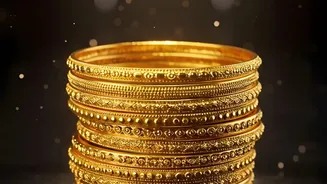
While the value of sales was high, consumer behaviour showed a clear trend towards practicality and investment. Many buyers opted for lightweight jewellery, such as pendants and chains, as well as smaller denomination coins and bars. This shift allowed consumers to participate in the auspicious tradition without overstretching their budgets, a phenomenon the World Gold Council has noted as spending more money for less metal. At the same time, demand for investment-focused products like bars and coins proved more resilient than jewellery. This indicates a dual mindset: fulfilling cultural norms while also building a tangible asset portfolio in an uncertain global economic climate.
A Barometer for Economic Health
The Rs 72,000 crore figure is more than just a sales statistic; it serves as a powerful barometer for the health of the Indian economy. Strong festive sales often precede a period of sustained consumer demand, which bodes well for various sectors, from retail to manufacturing. The bullion industry itself, a major employer, received a significant boost. The enthusiastic participation of both urban and rural consumers underscores a broad-based economic optimism. While some analysts caution that it remains to be seen if this spending momentum will continue post-Diwali, the festive season has undoubtedly set a positive and glittering tone for the months ahead.